Japan approves return of world’s largest nuclear power station 14 years after Fukushima disaster left 2313 dead

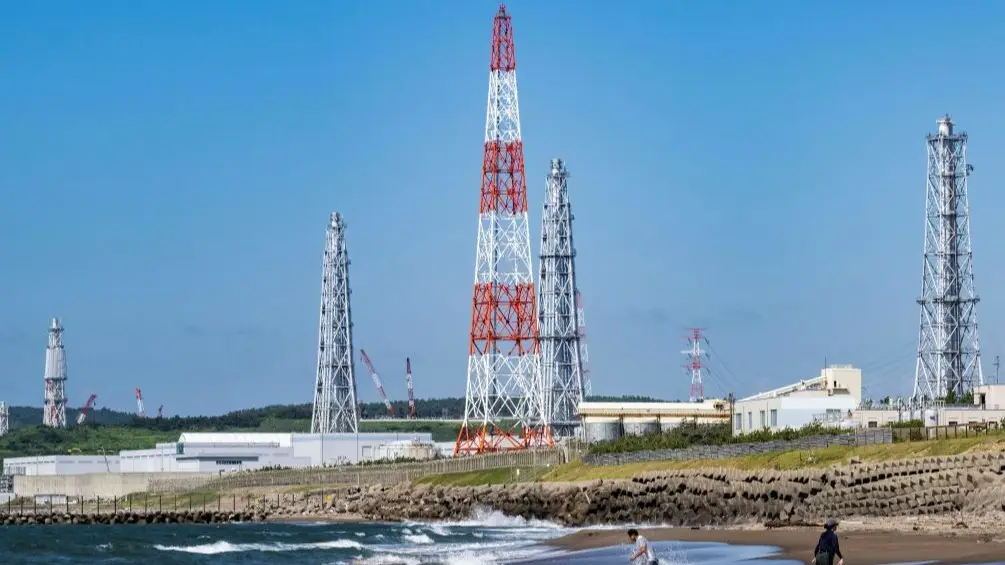
Japan has approved the restart of the world’s largest nuclear power plant, more than a decade after it was shut down following the Fukushima disaster.
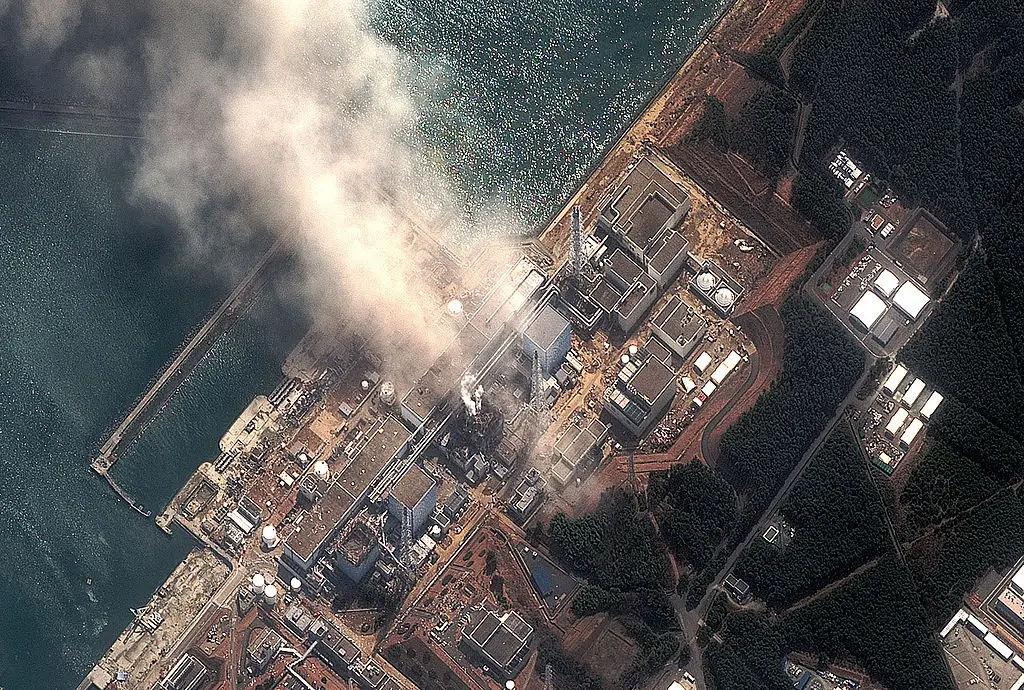
The Kashiwazaki-Kariwa nuclear plant, located in Niigata prefecture, has been offline since 2011, when a huge earthquake and tsunami triggered the worst nuclear meltdown since Chernobyl, at Fukushima Daiichi Power Plant. Some additional 2313 disaster-related deaths were recorded among evacuees from the prefecture.
Japan is located on the Pacific Ring of Fire, a tectonic belt of volcanic and seismic activity, putting it at higher risk of natural disasters like earthquakes and tsunamis.
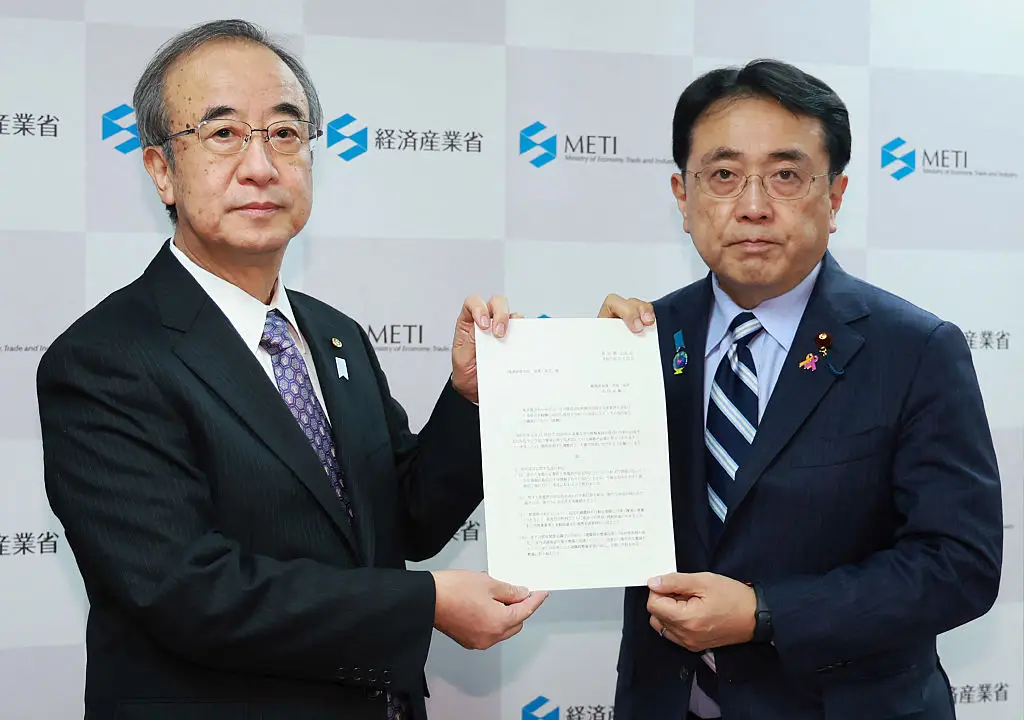
Officials shut down all nuclear activity after Fukushima to prevent any similar disasters. But on Monday, local lawmakers voted in favour of a bill that clears the way for Tokyo Electric Power Company (TEPCO) to restart one of the Kashiwazaki-Kariwa plant’s seven reactors.
Advert
According to Japan’s public broadcaster NHK, Reactor No. 6 could be switched back on as early as January 20.
Before Fukushima, nuclear power supplied around 30 percent of Japan’s electricity. But after the disaster, the country shut down all 54 of its nuclear reactors, including Kashiwazaki-Kariwa. Only 14 of the 33 reactors that could be revived have since been restarted.
That shutdown forced Japan to lean heavily on imported fossil fuels, with coal and gas now providing up to 70 percent of its electricity.
Last year alone, fuel imports cost the country about 10.7 trillion yen ($68 billion).
The restart marks a major moment because Kashiwazaki-Kariwa will be the first nuclear plant reopened under TEPCO, the same company that ran Fukushima.
TEPCO has been trying to reassure residents that the plant is safe, insisting it has learned from past failures.
“We remain firmly committed to never repeating such an accident,” a company spokesperson said.
Japan’s government is also firmly behind the move. Prime Minister Sanae Takaichi, who took office two months ago, has pushed for a nuclear revival to cut energy costs, tackle inflation and support the struggling economy.
There’s also a climate angle. Japan is the world’s fifth-largest carbon emitter and has pledged to reach net-zero emissions by 2050.
Nuclear power is seen as key to that goal, alongside renewables like solar and wind.
Energy demand is expected to rise further due to the rapid growth of AI data centres, which consume huge amounts of electricity.
Under current plans, Japan wants nuclear power to make up 20 percent of its energy mix by 2040, double its current share.
But not everyone is convinced.
Memories of the Fukushima disaster still haunt, particularly in Niigata.
A local survey found 60 percent of residents don’t believe conditions for the restart have been met, while nearly 70 percent said they’re worried about TEPCO running the plant.
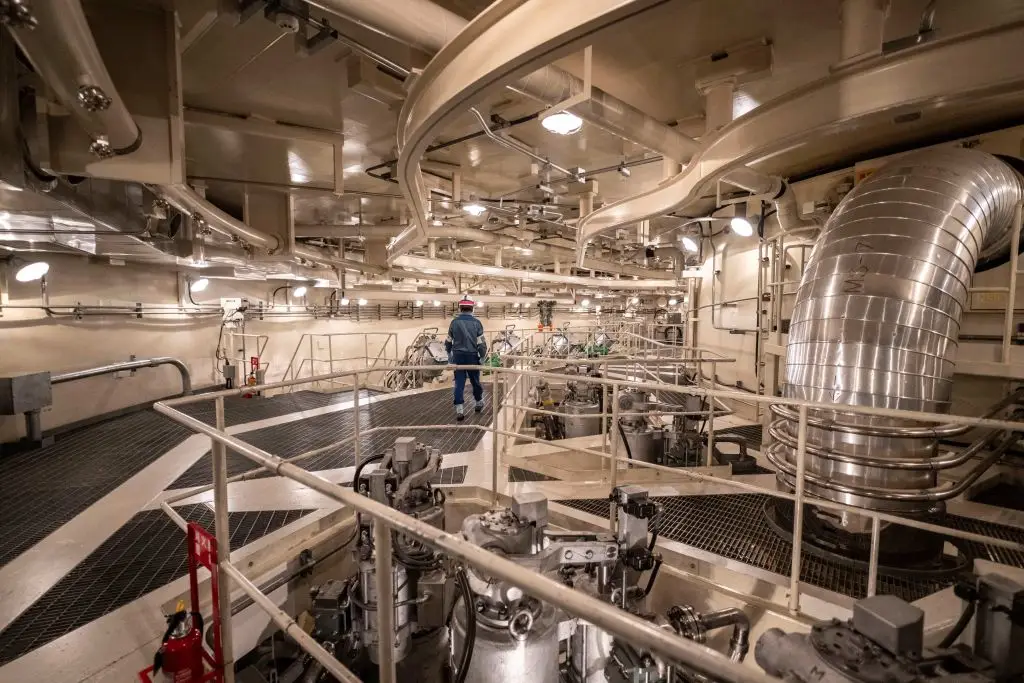
TEPCO says the plant has undergone extensive upgrades, including new tsunami seawalls, watertight doors, mobile generators, extra fire trucks and improved filtering systems designed to limit the spread of radioactive material.
In late October, the company said it had completed a full round of safety checks and declared Reactor No. 6 ready to restart.
Whether that’s enough to ease public fears remains to be seen.
Topics: Climate Change, Japan, Science, World News
 Ellie Kemp