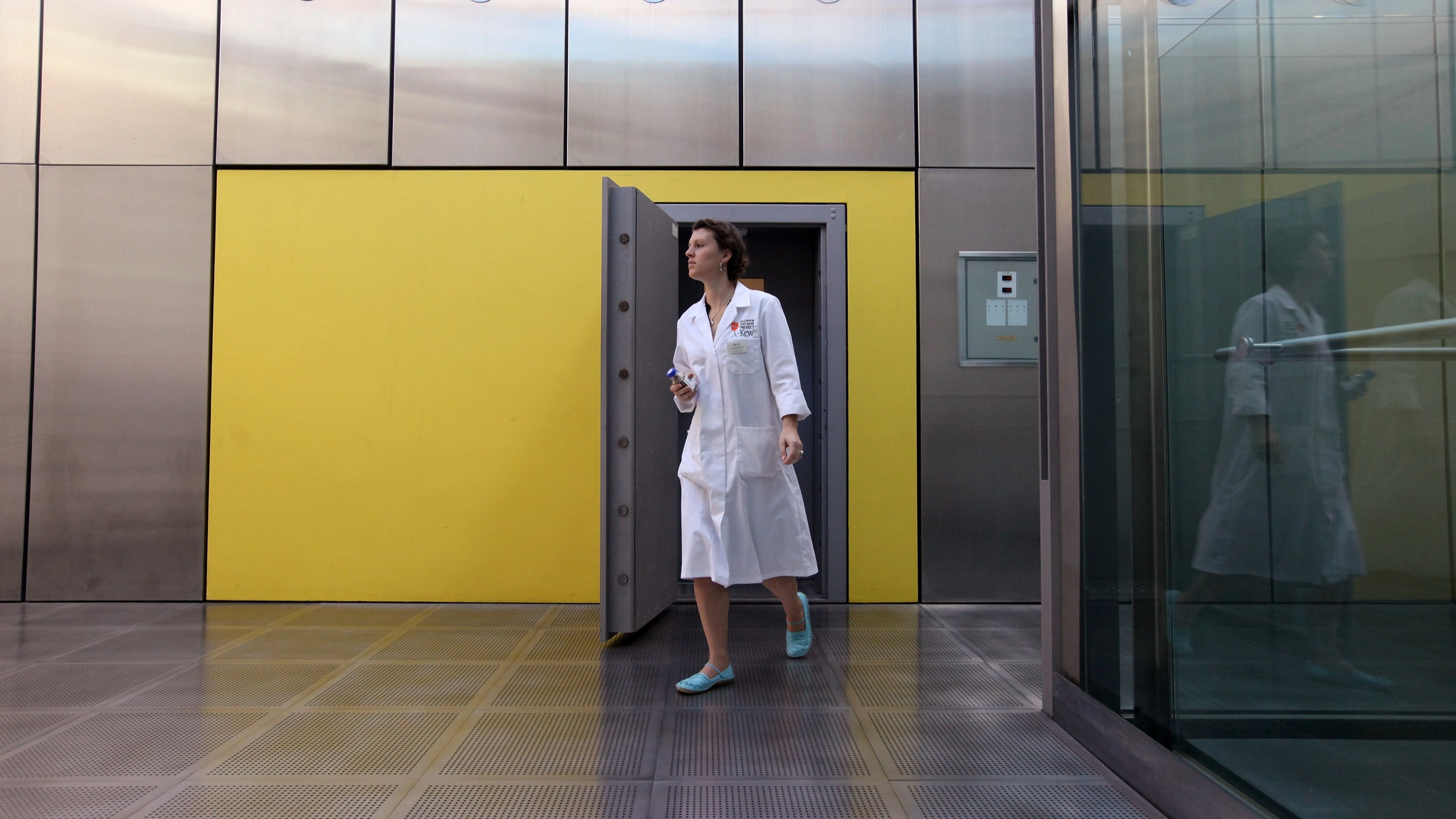
Exactly what's inside the world's biggest 'doomsday box' designed to help us recover from global disaster

The world has been through a lot since the creation of a so-called 'doomsday box' 25 years ago, so exactly what's inside the huge vault might surprise you.
When you see people creating their own doomsday vaults, they typically stock up on first aid, canned food and other non-perishables, a torch, and power sources.
However, what's inside this vault is probably something you might not have thought to have included in your apocalyptic planning — and that's seeds.
In 2000, the Millennium Seed Bank project began and a huge vault was placed in a field in Sussex, England. 25 years later, the vault is now home to a whopping 2.5 billion seeds from 40,000 different plant species, the Kew Gardens website states. The collection comes from 275 partners across 100 different countries.
Advert
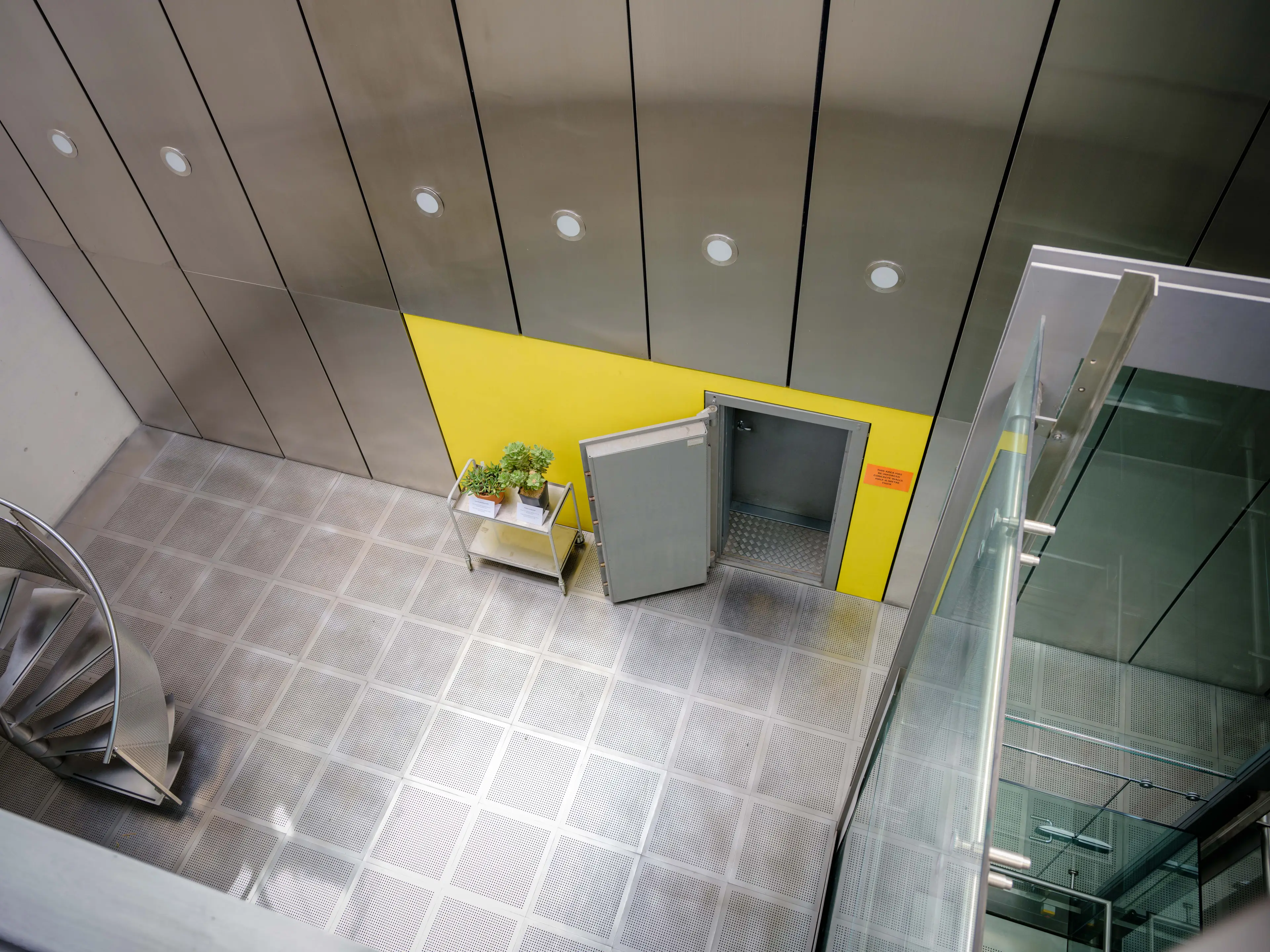
The vault holding the precious seeds sits beneath the wild botanical gardens of Wakehurst and is managed by the Royal Botanic Gardens, Kew. Noa Leach from BBC Science Focus was recently able to see the vault for herself and what kind of seeds are inside.
"The true figure [of seeds] is unknown, but the scientists who work here estimate there are over 6.6 tonnes of seeds in the vault, which covers a space the size of three tennis courts," Leach wrote.
"The seeds range in size from those almost as large as your fist (the palm tree Hyphaene thebaica, at 8.5cm wide) to the microscopic: Chinese orchid seeds, measuring just 0.07mm across – the width of a human hair. Some are kept in their dozens, some in their millions."
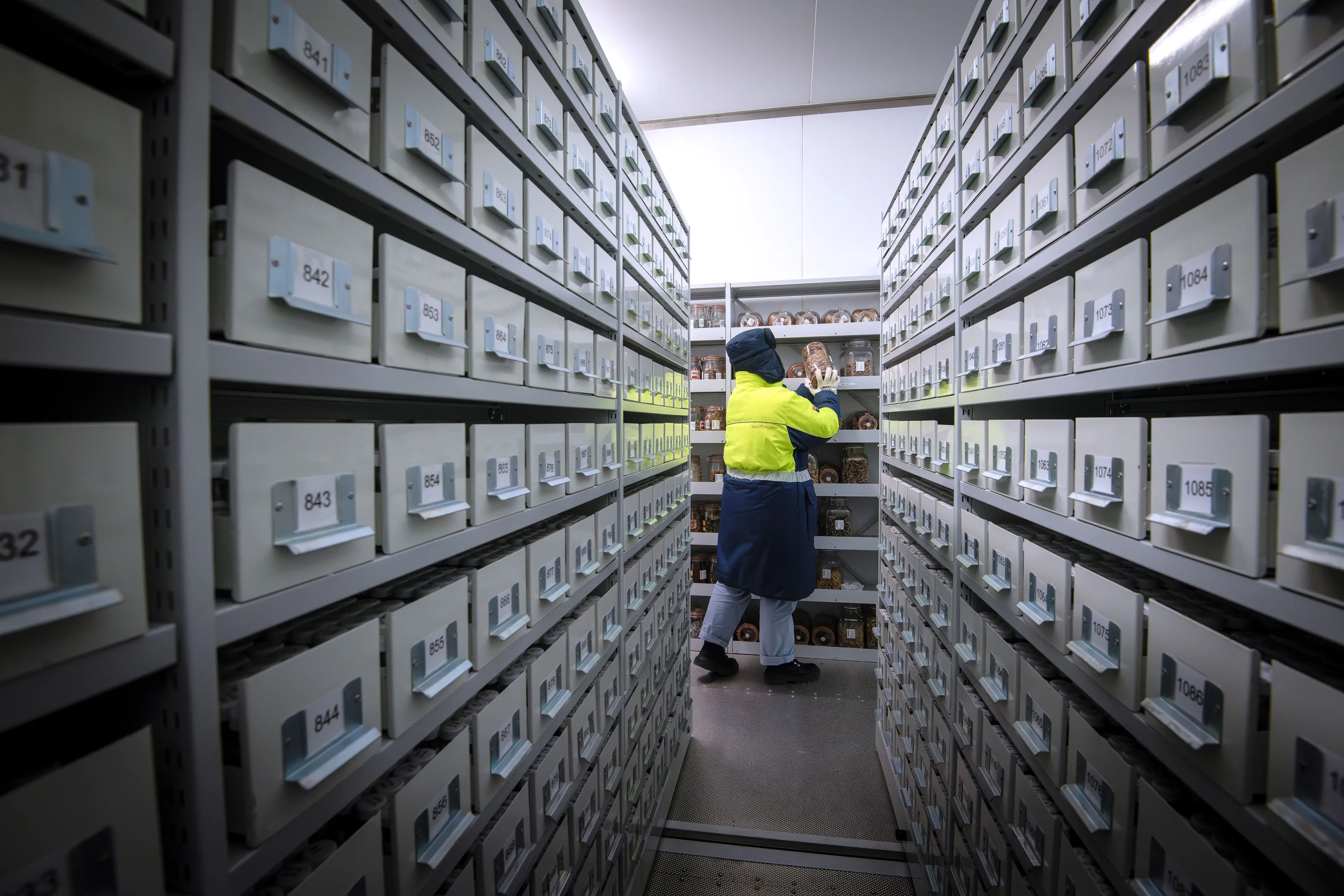
The seeds are stored at -20°C (-4°F). This temperature 'helps the vault keep seeds in a suspended state' meaning they'll be ready and raring to go when eventually planted.
When the vault was created, it was unclear what it would be needed for, but Charlotte Lusty, head of seed collections at the Millennium Seed Bank, says that now 'mini crises are happening all the time'.
She added: "Even more importantly, we’re losing diversity before our eyes – we’re losing trees and flowers without really noticing.
"We’re seeing rapid destruction, fire and flooding, and there’s also this gradual decline."
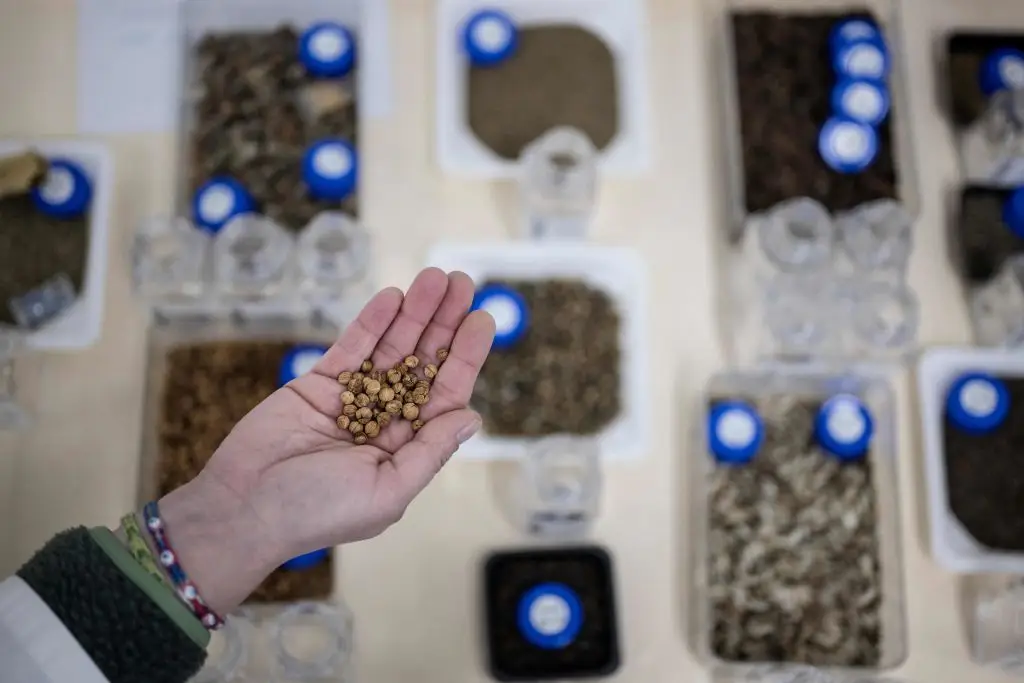
Threats include climate change, wildfires, and wars that put many plant species at risk of extinction, but the hope is that Millennium Seed Bank will stop this from happening.
One example where the seed bank has already been used is following the devastating 2019-2020 wildfires in Australia.
Per BBC Science Focus, 12 years prior to the fire the South Australian Seed Conservation Centre in Adelaide collected thousands of seeds to put in the vault. These seeds were then used to help restore the decimated parts of Australia after the fires.
Topics: Climate Change, Environment, News, Science, UK News
 Niamh Shackleton