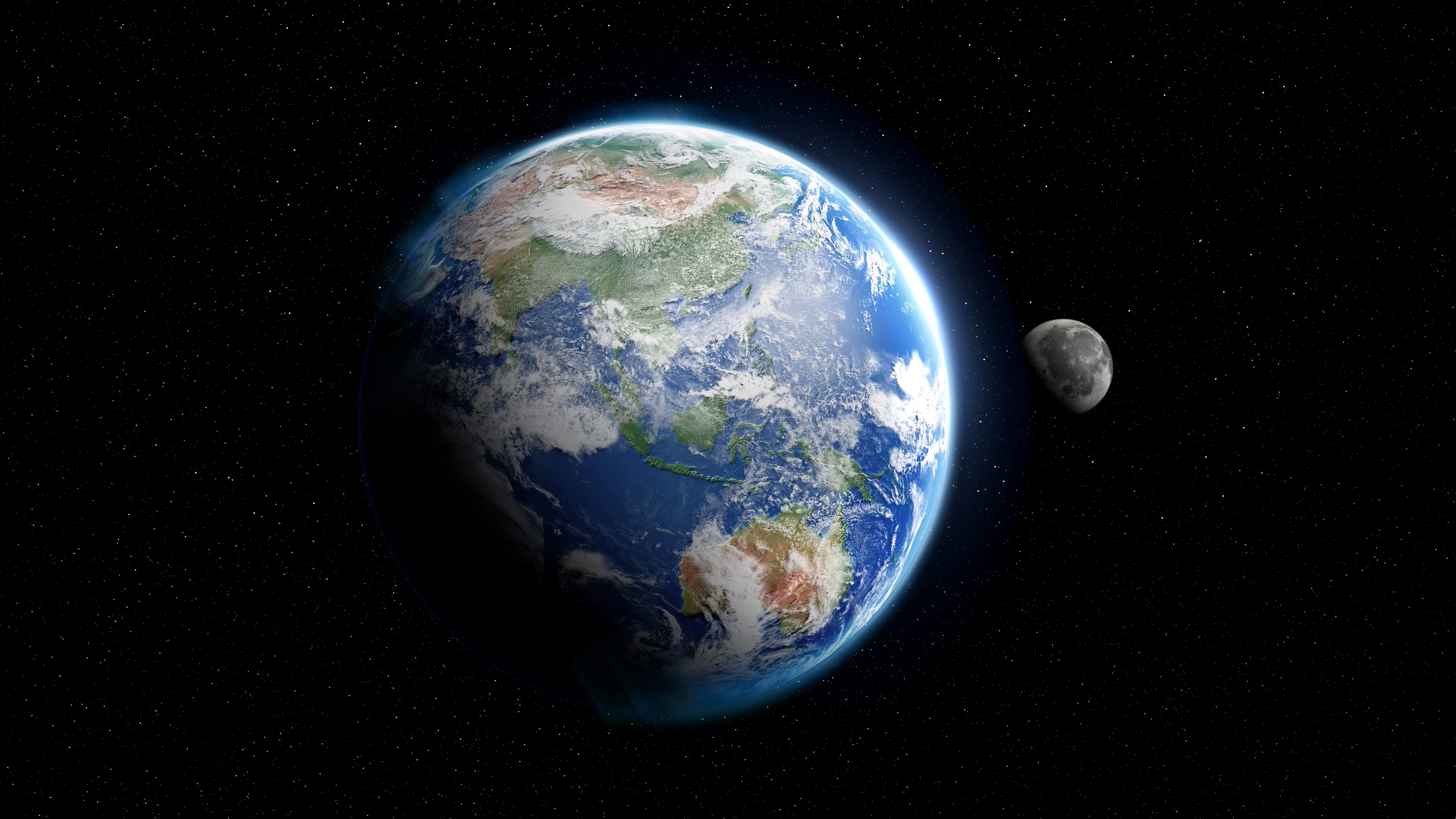
Scientists say length of days on Earth is increasing at an 'unprecedented' rate

New factors could be impacting the rate at which the Earth is spinning, scientists have said.
It turns out that the days getting longer isn't just because Spring is finally on the way.
Scientists working at the University of Vienna and ETH Zurich have examined the rate at which days on Earth are getting longer.
While it might sound strange, the days on Earth are indeed getting a little longer, and it's for a particular reason to do with space.
Advert
Day and night are created by the Earth spinning on its axis in space, with the day coming when the side you're on is facing the Sun.
So, how could the days be getting longer?
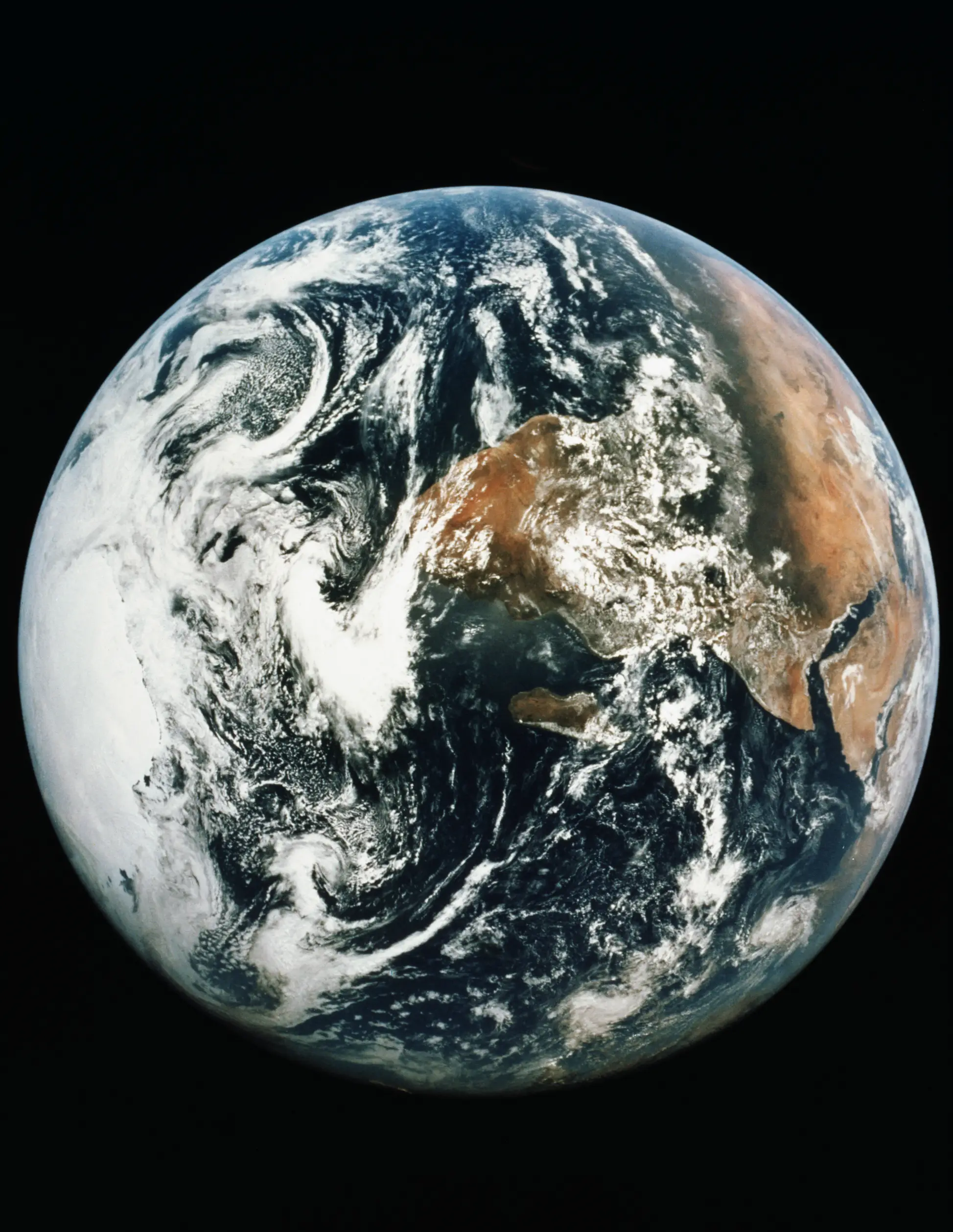
If you guessed that it's because the Earth's rotation is very gradually slowing down, then you'd be correct.
To be clear, this is not something you need to worry about next week, or even next year.
The days might be getting shorter at an 'unprecedented' rate, but that rate is still just by 1.33 milliseconds, and not even very year, every century.
Given that it takes 1,000 milliseconds for one second, the day won't be a second longer for tens of thousands of years.
However, this is still a faster rate than in 3.6 million years, the scientists have estimated.
Interestingly, previous studies found that human activity may be having an impact on Earth's very rotation.
Co-author Professor Benedikt Soja is from the University of Vienna, and told the Daily Mail: "While natural cycles caused variations in the past, the current rate of change, due to human impact, is so rapid that it stands out in climate history.
"Only one time – around 2 million years ago – the rate of change in length of day was nearly comparable, but never before or after that has the planetary 'figure skater' raised her arms and sea–levels so quickly as in 2000 to 2020."
But while this isn't enough of a difference to be impacting on most of us directly, there are some ways that it could cause disruption, as strange as that might seem.
This is because there are some instruments which are extremely precise, and could be thrown off.
"Even though the changes are only milliseconds, they can disrupt systems that require extremely precise time keeping," said Professor Soja.
"This includes space navigation, GPS and satellite navigation systems, and synchronisation of atomic clocks, which makes it so important to precisely monitor the Earth's rotation."
Topics: News, World News, Science, Earth, Space
 Kit Roberts