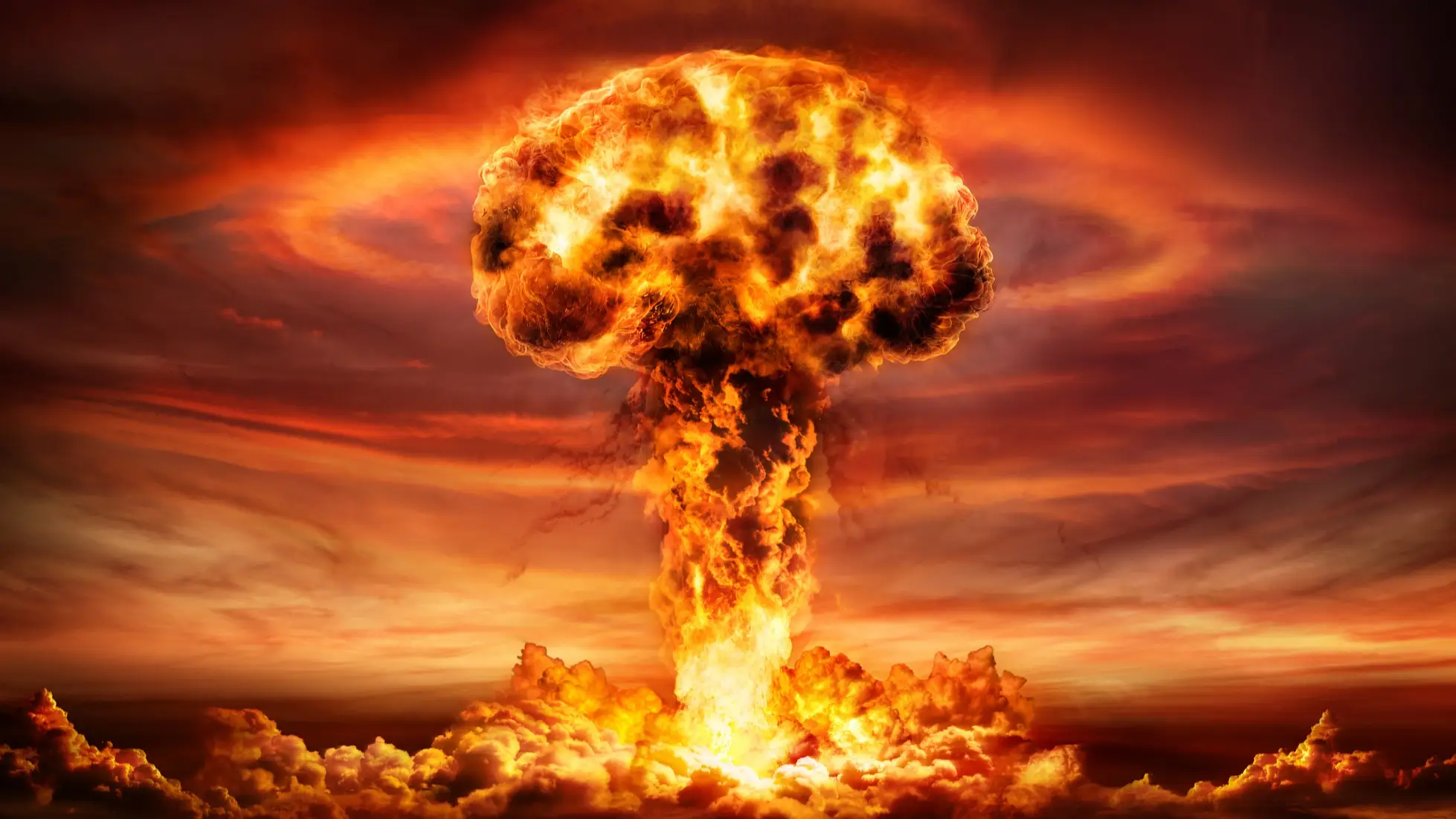
Two crucial things to do in first 45 minutes of nuclear attack to give yourself best chance of survival

Nuclear attacks are historically very rare - but as with anything, it's best to be prepared.
There hasn't been a nuclear attack since August 9, 1945, when the United States dropped an atomic bomb, which was nicknamed the 'Fat Man' over the city of Nagasaki, in Japan. Days prior, the first atomic bomb hit the Japanese city of Hiroshima, which was named 'The Little Boy'.
The bombs killed over 100,000 people, with thousands more dying later from the effects of radiation. It is said to have played a role in the ending of World War II.
Here's the latest advice on what to do, should one ever strike again.
Advert

What should you do during the first 45 minutes of a nuclear war?
The first minutes and hour are understandably the most crucial, with the potential for exposure decreasing to 55% an hour after the blast, Johns Hopkins Center for Health Security says.
In the first 45 minutes, "You'd want to go in the direction away from the wind," public-health expert at Columbia University Irwin Redlener told Business Insider.
"Get as far away as you can in the next 10 to 15 minutes, and then immediately seek shelter before the radiation cloud descends."
It's said that buildings such as schools and offices are the best places due to the sturdiness. Also, it's best to take shelter in those with little to no windows, plus a basement.
However, any building is better than none if there's none around. If there are windows, experts say to stand in the middle of the room, as windows can shatter from shock waves up to ten miles away.
Before this - it is advised that people should 'advert their eyes,' due to the flash of light from the nuclear bomb.
Business Insider also states that the CDC 'recommends dropping to the ground with your face down'.
Here, your hands should be tucked under your body, to protect your face from anything flying around, or from burns.
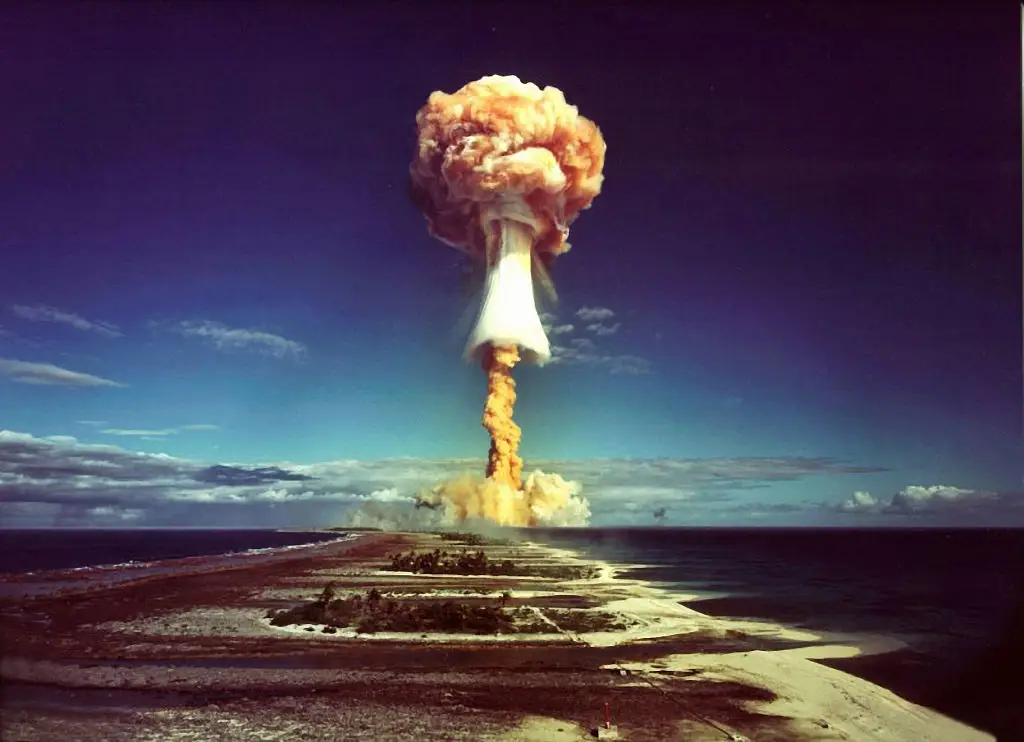
What to do within 24 hours of a nuclear attack
Most importantly, people should stay indoors. As well as this, they should also shower as soon as possible.
The American Red Cross advises to shower with warm water and lots of soap. This will 'help remove radioactive contamination'. However, those affected should not 'scrub or scratch the skin'.
Hair should also be washed, the organization says, although conditioner should be avoided, as it 'will bind radioactive material to your hair, keeping it from rinsing out easily'.
Those who cannot shower are advised to wipe their skin with a 'clean wet cloth'.
Any clothing worn during the attack should be removed, as this will help to keep radioactive material from spreading.
The organization states that by removing outer layers, 90% of radioactive material can be removed.
Topics: World News
 Kiesha Dosanjh