
Safest US states to live in during a war as tensions rise in middle east

As the Middle East edges toward wider conflict, a resurfaced nuclear attack simulation has revealed exactly which US states would fare best - and worst - if the unthinkable happened.
According to Newsweek's mapping of a Scientific American simulation, the states least likely to be affected by a nuclear strike on America's missile silo fields are largely clustered in the Northeast and Southeast: Maine, New Hampshire, Vermont, Massachusetts, Rhode Island, Connecticut, New York, New Jersey, Pennsylvania, Delaware, Maryland, Washington DC, Virginia, West Virginia, North Carolina, South Carolina, Georgia, Florida, Alabama, Mississippi, Tennessee, Kentucky, Ohio, Indiana and Michigan.
Washington, Oregon, Idaho, Nevada, California, Utah, Arizona, New Mexico, Texas, Arkansas and Illinois would also see comparatively low exposure, the simulation found.
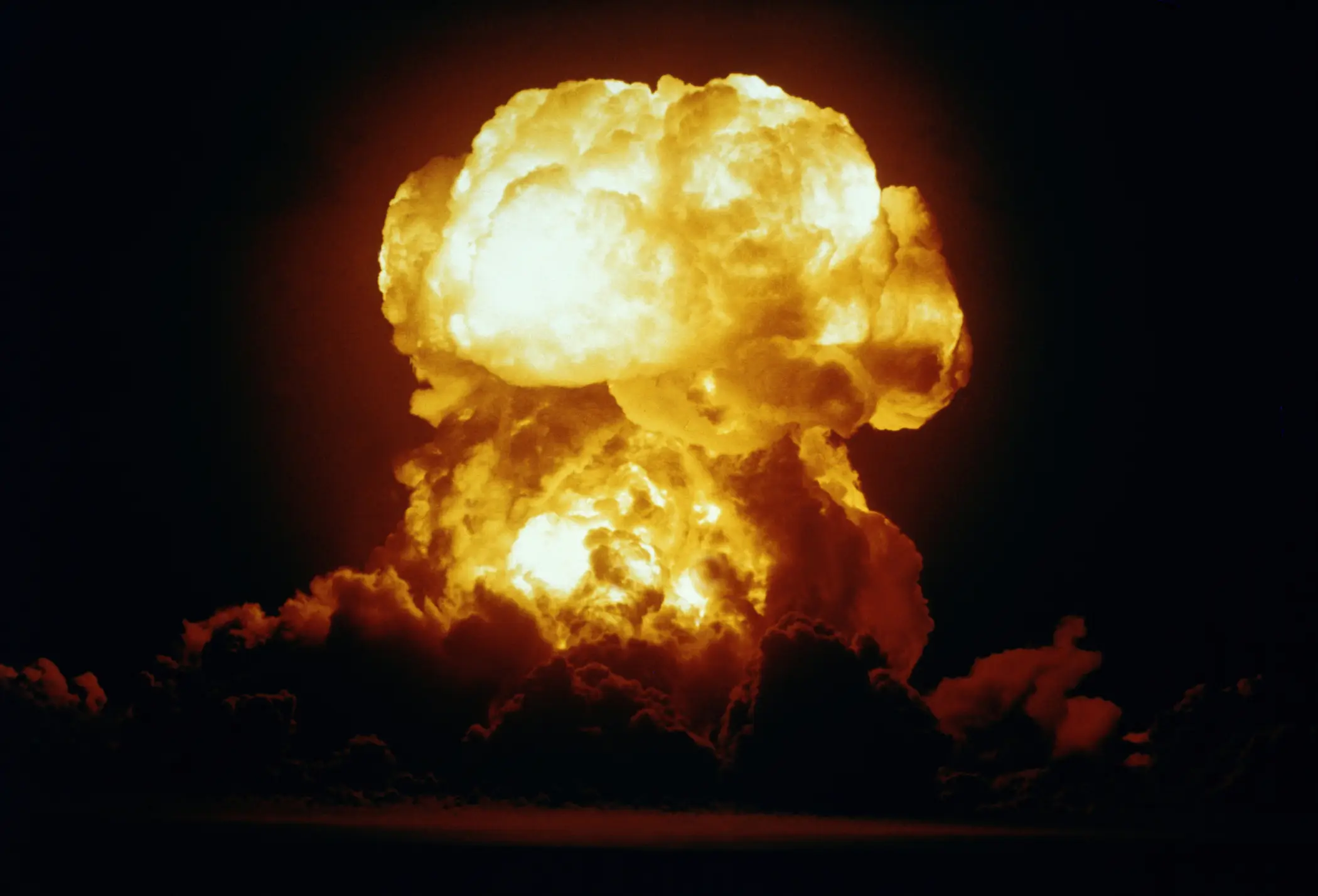
How does the nuclear attack simulation work?
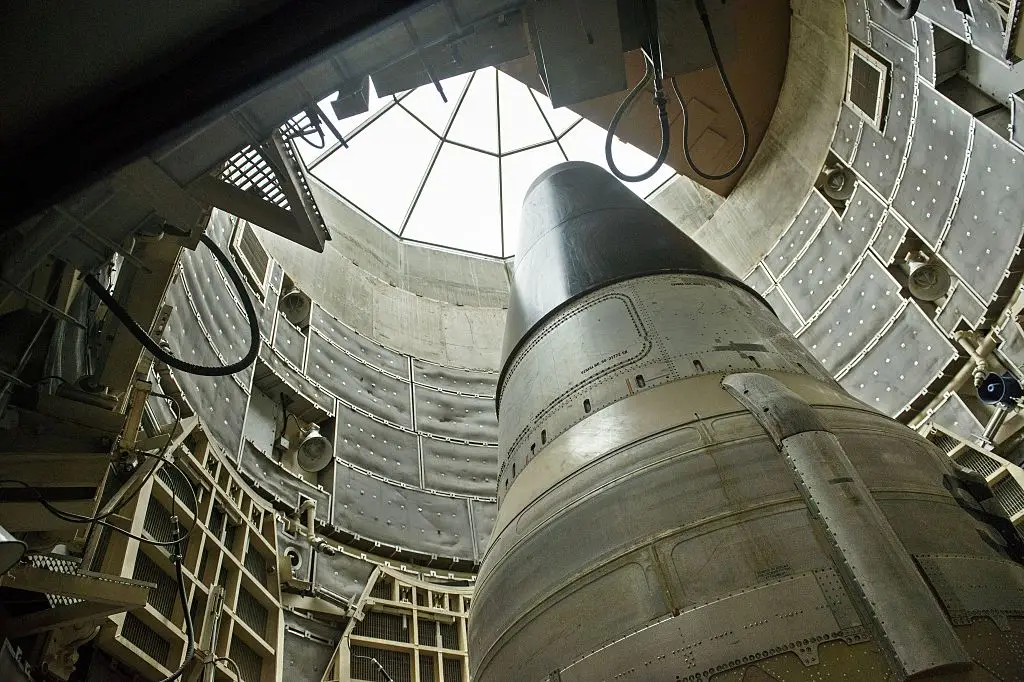
The scenario centres on a strike targeting missile silos across Colorado, Wyoming, Nebraska, Montana and North Dakota, using warheads with an explosive yield of 100,000 tons of TNT - the kind of firepower Scientific American says would be required to knock out a silo.
Advert
Radiation exposure was calculated across the country in grays (Gy), a unit measuring cumulative radiation dose, with anything above 8 Gy considered lethal.
In the average-case version of the simulation, the 'safest' states saw exposure ranging from 0.001 Gy to 0.5 Gy.
By contrast, Montana, Wyoming, Colorado, Nebraska, South Dakota, North Dakota, Iowa and Minnesota - the states closest to the silo fields - faced exposure of between 1 Gy and a staggering 84 Gy.
A worst-case version of the model, based on wind patterns from a specific day in 2021, trimmed the list of safest states slightly but kept the broad East Coast-to-South pattern intact.
Is anywhere actually safe from a nuclear war?
Experts are clear that ‘safest’ doesn't mean safe.
John Erath, senior policy director at the Center for Arms Control and Non-Proliferation, said: "While those who live near military facilities, ICBM silos in the Midwest or submarine bases along the coasts might bear the most immediate and severe consequences of a nuclear attack, there's no question: ANY nuclear war or weapons detonation would be bad for everyone."
He added that "nowhere is truly 'safe' from fallout and other consequences like contamination of food and water supplies and prolonged radiation exposure," invoking Ronald Reagan's line that 'a nuclear war cannot be won and must never be fought.'
Christian G. Appy, director of the Ellsberg Initiative for Peace and Democracy at the University of Massachusetts Amherst, went further, warning that "even a relatively 'small' nuclear war would cause a nuclear winter famine that would kill at least a billion people," and called ranking survival odds by location 'morally repugnant.'
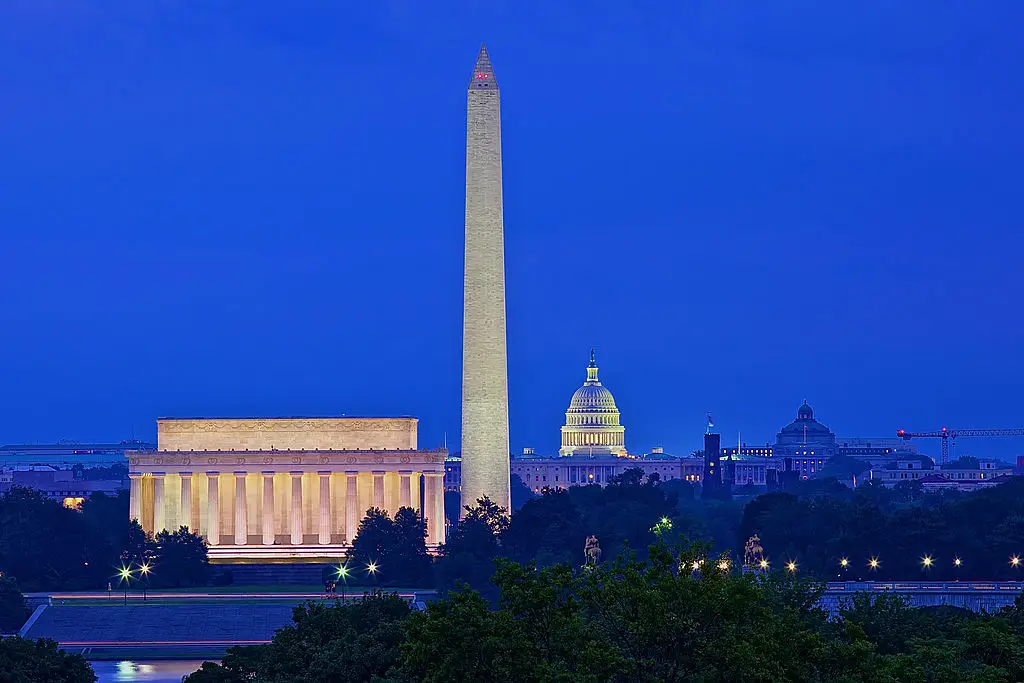
Meanwhile Braden Goddard, an associate professor at Virginia Commonwealth University's Department of Mechanical and Nuclear Engineering, argued silos likely wouldn't even be the target - he believes Washington, DC would be hit first.
The simulation has resurfaced as real-world tensions spike.
President Donald Trump cut short his weekend stay at Camp David and returned to the White House on Saturday amid rising Middle East tensions, with no official reason given for the change.
The State Department has urged Americans to 'seriously reconsider' travel to the region, citing Houthi attacks on Saudi Arabia - including a ballistic missile fired toward Riyadh at dawn Saturday - and warning that Iran and allied groups could target US interests worldwide.
Separately, an F-16 intercepted a general aviation aircraft that entered restricted airspace near Camp David on Saturday morning, though officials said there was no indication it posed a threat.
Topics: Military, Donald Trump, Saudi Arabia
 Thomas Bamford