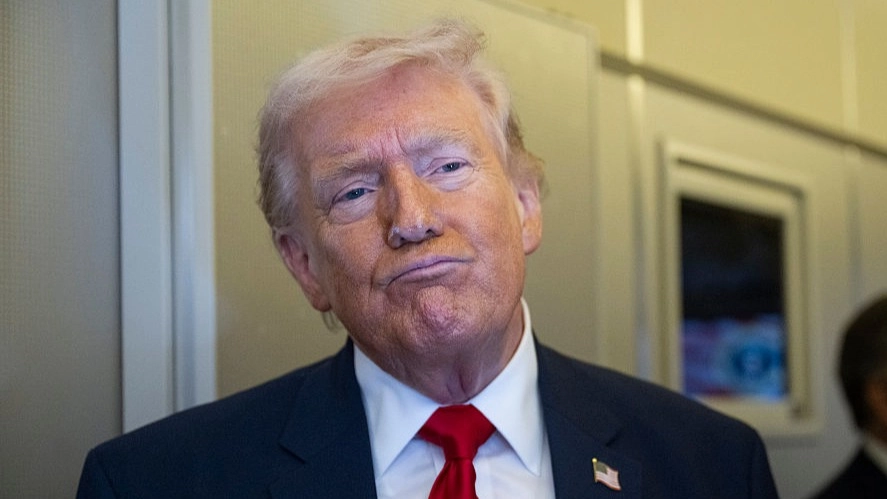
Trump makes bold claim as Iran war sends oil above $100 a barrel

Countries around the world are looking at higher gas prices, food costs, and household bills, as the global economy grinds to a halt after a week of war with Iran, which has closed down shipping routes and production facilities with cheap drones and ballistic missiles.
Brent Crude oil prices jumped by more in a single day than ever before, yesterday, spiking the cost per barrel to $119 before falling slightly, with Saudi Arabia, Iraq, Bahrain, and Kuwait all cutting back on production.
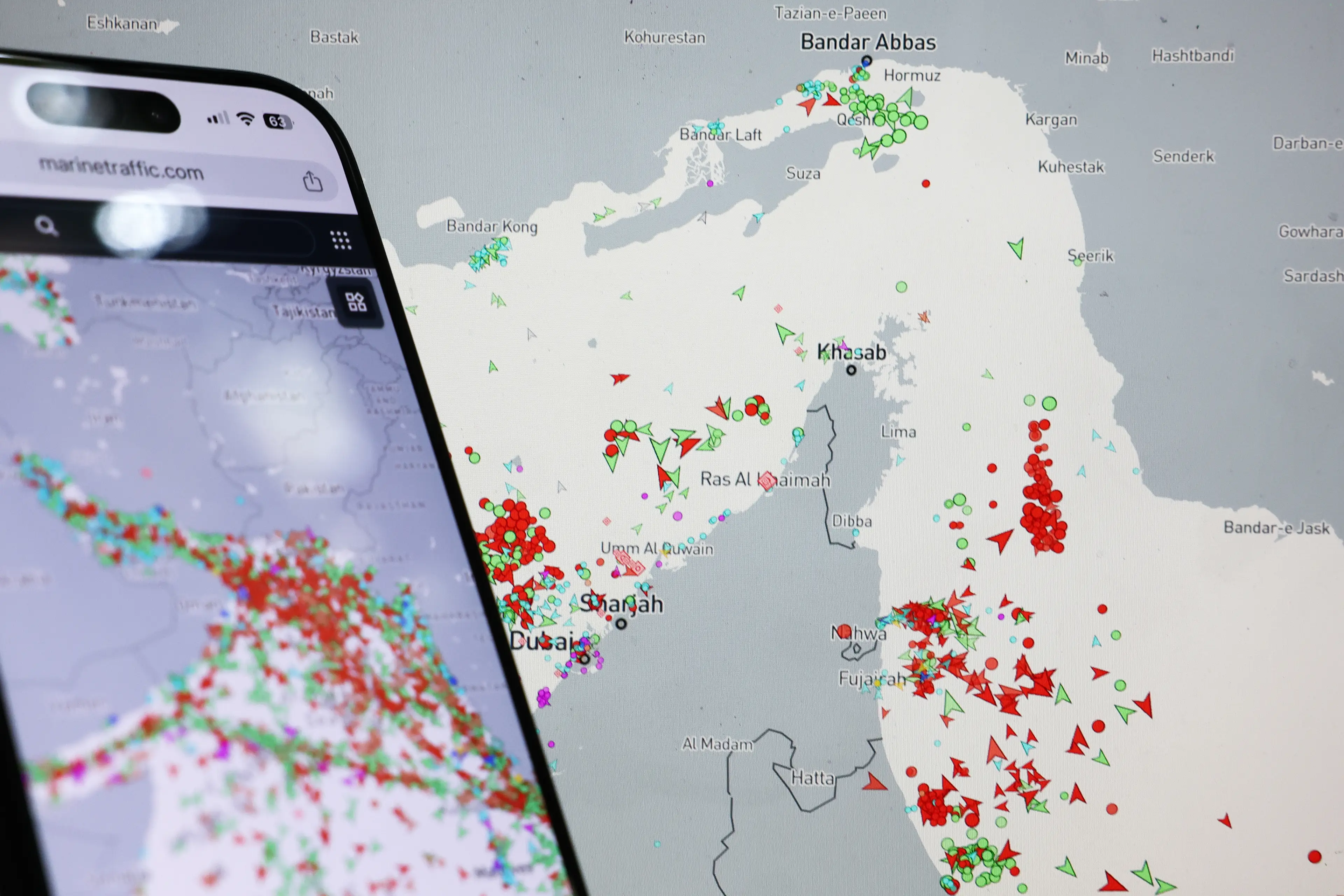
This is because of the Strait of Hormuz, through which between 20 and 30 percent of global oil and gas supplies travel on its way to powering people's homes, fueling their cars, and even producing fertiliser for food. But with cheap Shahed drones flying overhead, no ships will sail through the strait.
President Donald Trump, who joined Israel in the conflict on February 28 after its ally launched a decapitating strike that wiped out Ayatollah Khamenei and Iran's senior leadership, has said spiking global oil prices are 'a small price to pay' for 'safety and peace'.
Advert
Reacting to Brent Crude reaching its highest level since their pandemic peak in 2022, President Trump attempted to quell fears on Sunday night, saying on TruthSocial: "Short term oil prices, which will drop rapidly when the destruction of the Iran nuclear threat is over, is a very small price to pay for U.S.A., and World, Safety and Peace.
"ONLY FOOLS WOULD THINK DIFFERENTLY!"
Currently, Americans are facing prices at the pump that are 17 percent higher than they were just 10 days ago when the war began. This means the average gas price is now $3.48 per gallon, according to AAA Motor Club data.
On Sunday, Trump's energy secretary Chris Wright tried to dampen growing anger about the war's impact on the global economy, saying that 'Worst case, that's a few weeks. That's not months.'
He claimed to CBS: "They shouldn't go much higher than they are here because the world is very well supplied with oil. There's no energy shortage in all of the Western hemisphere."
As the US is promising to use military assets to help transport oil through the Strait of Hormuz, Wright stated that he believed normal service would resume 'relatively soon'.
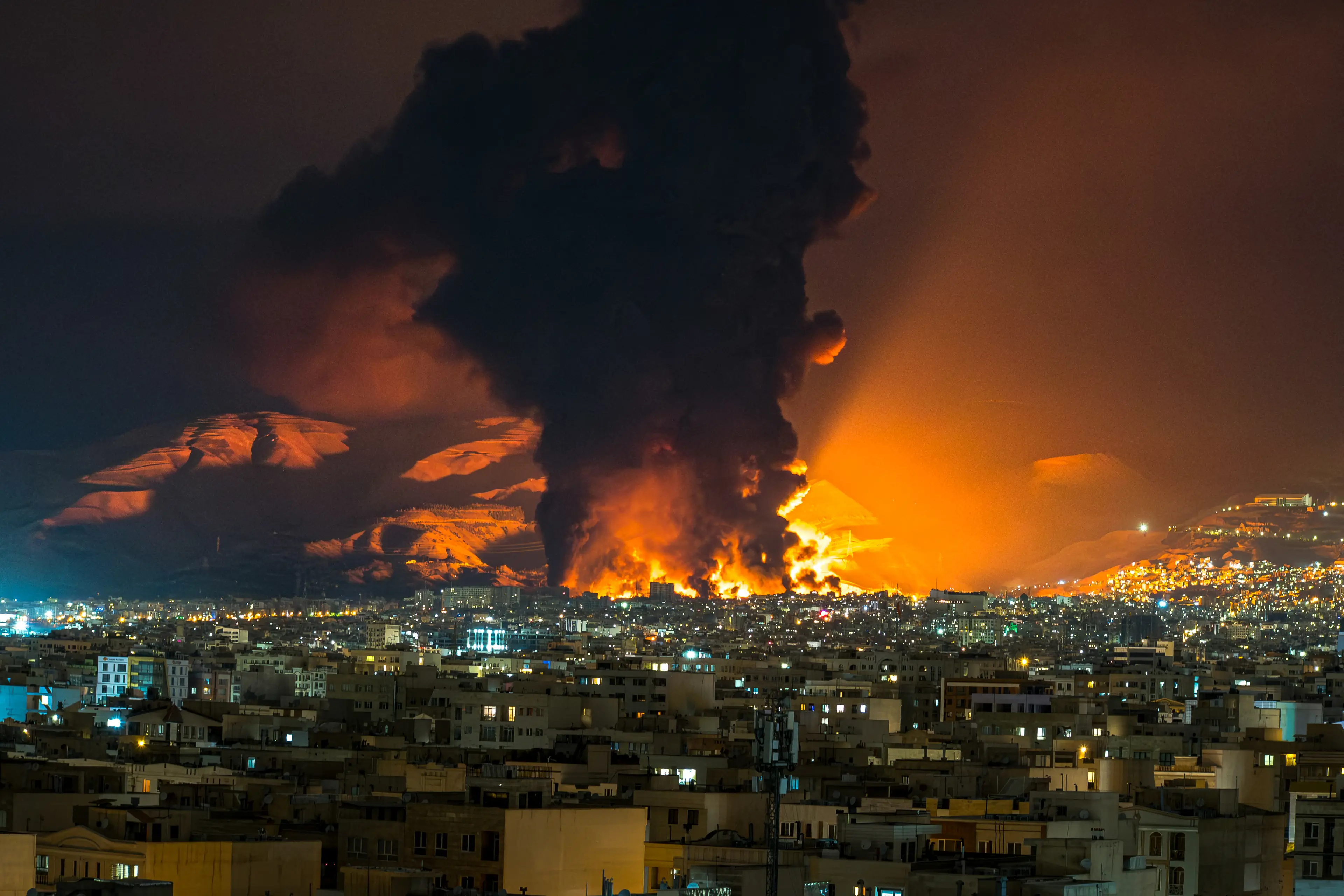
But with no clear end in sight for the unfolding aerial bombardment of Iran, or its reciprocal attacks on key production facilities in neighboring Gulf countries, oil fields in Iraq have run out of capacity to store further barrels and are ceasing production.
Gulf nations Bahrain and Kuwait, both producing millions of barrels of crude oil every day, have now made the even rarer step of declaring a 'force majeure' over the weekend, drastically cutting operational output due to the closed shipping channel and attacks on their facilities.
Meanwhile, Saudi oil giant Aramco has also cut production levels at two of its largest oilfields, which indicates that the price shock caused by the war could continue for some time, even if the Iran war ended tomorrow.
This could soon have an even larger impact on US gas prices, as well as the rest of the world's. As a result, today, Monday, March 9, finance ministers from the wealthiest seven countries are holding a short notice meeting to take a drastic measure that could limit the price shock.
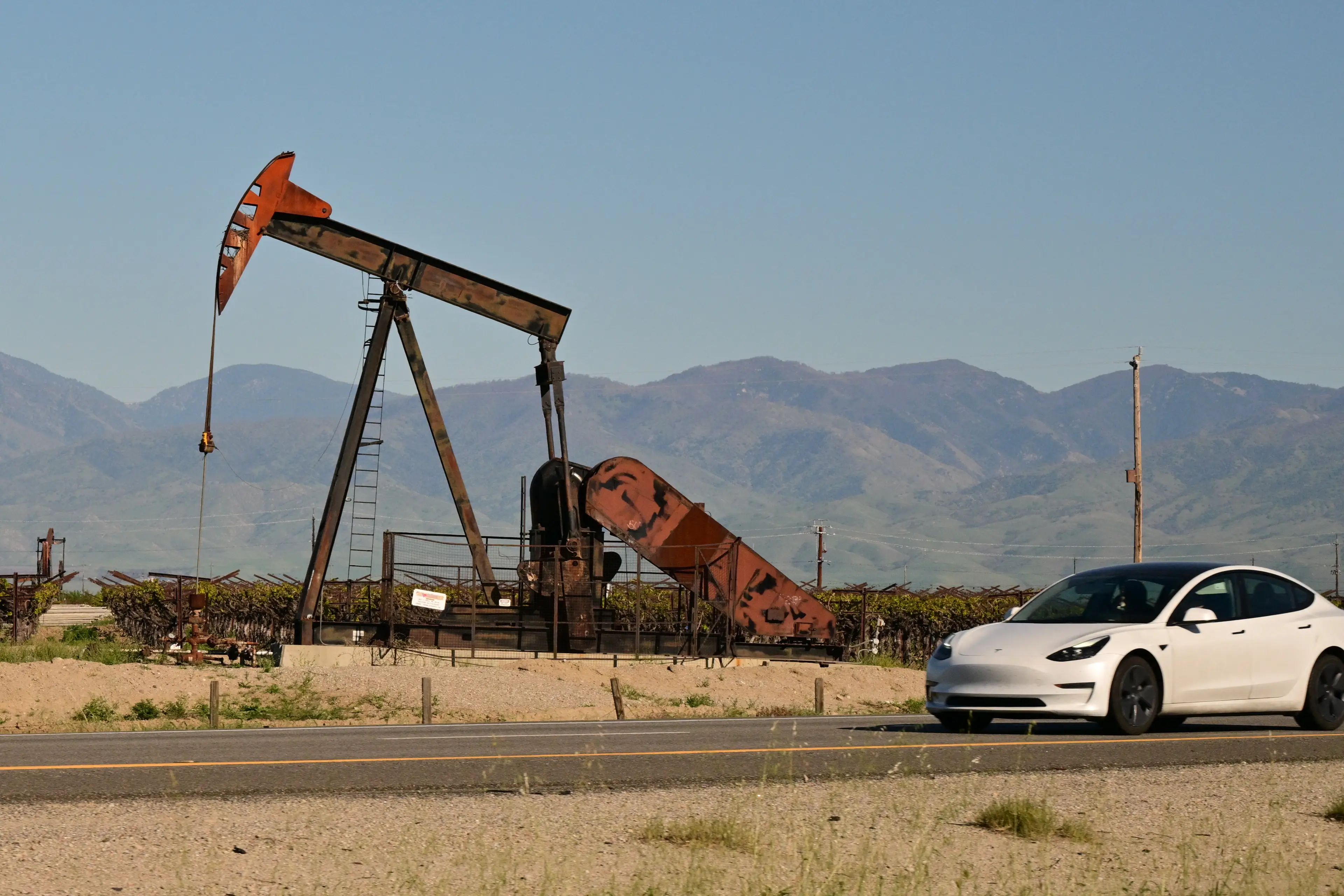
One of the main actions the G7 ministers are expected to back is Western nations opening up their fuel reserves, of which America has at least 200 million barrels, which could improve the global supply of oil and prevent it from rising further in the short term.
Neighboring countries in the region have already been forced to take special measures in response, which could soon spread to the rest of the world. In Pakistan, motorists are being asked to avoid filling up and to work from home, with its government saying its annual fuel import bill could rise by over $7 billion.
Meanwhile, short-term supply-dependent Bangladesh and Myanmar are already enforcing reduced work weeks and planning for months of shortages as the war continues.
Meanwhile, the attack on Iran and consequential closing of the Straits of Hormuz has already seen America's allies look further east for their energy security, with India securing a special dispensation to buy Russian oil amid the sudden price shock.
Similarly, many European countries are weighing up increasing the amount they purchase from Russia, which would give the Kremlin billions more dollars to spend on its war in Ukraine, further protracting the four-year war.
Topics: Iran, Donald Trump, Israel, Military
 William Morgan