
Sisters mistaken for 'being drunk' due to rare condition that can drastically shorten life expectancy

Two young sisters who suffer from a rare degenerative disease have revealed that strangers regularly mistake their heartbreaking physical symptoms for simply being drunk.
For years, 28-year-old Olivia Dews and 25-year-old Charlotte Casey assumed they were just naturally clumsy people who struggled to maintain their balance.
However, the Brit siblings were recently diagnosed with Friedreich's ataxia - a rare and debilitating condition that actively attacks the nervous system.
The progressive disease tragically cuts the average life expectancy for patients down to just 36 years old.
Advert
"Both of us have always been quite clumsy and had falls, but that's all we thought it was - pure clumsiness," Olivia said.
"At the age of 14, I got diagnosed with scoliosis, which we didn't know back then, but that's a symptom of Friedrich's ataxia.”
Because the physical toll impairs their ability to walk, people often make assumptions about them.
“We've had looks in the past that people think we are intoxicated or under the influence because it gives us that sort of walk,” Olivia explained.
Both women now rely on their families to help them use the bathroom, wash and prepare food - things that never used to be an issue.

"We can't really leave the house on our own. Everyone else has to do our food shopping for us," she added.
Charlotte’s husband is her full-time caregiver, assisting her with eating and drinking.
"I have to drink through a straw. It takes me a while to eat my food and cut up my food," Charlotte explained.
"The hardest part of Friedrich’s ataxia is that we don't know how we're going to wake up tomorrow and how our symptoms will be.
“Because it's a degenerative condition, things could change, and we could worsen overnight.”
On top of this, Charlotte shared how Friedreich‘s ataxia brings a very real risk of heart issues that are often the killer of young people living with the condition because it causes cardiomyopathy.
Heartbreakingly, both Charlotte and Olivia have children of their own - which is why they are now campaigning for government access to omaveloxolone - an approved drug that could significantly slow the deadly disease.
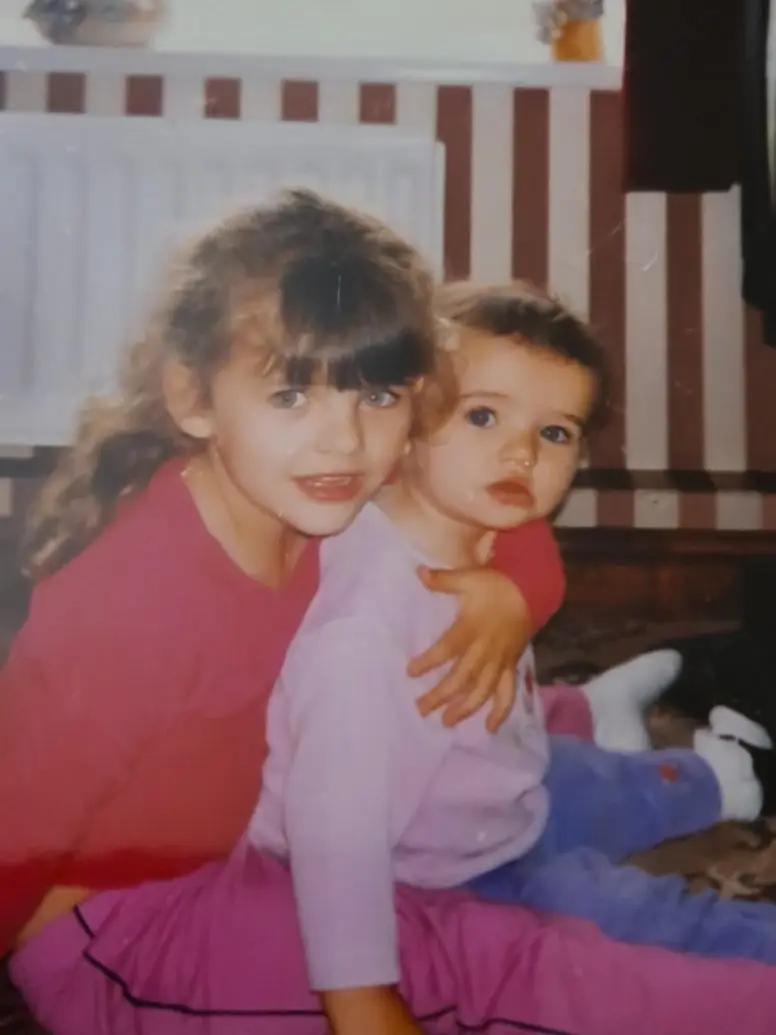
The pair are petitioning for the medication to receive funding through the UK's National Health Service (NHS).
“Everybody who has Friedreich‘s ataxia deserves the chance to try it and see if it works for them and how it works for them," Charlotte added.
“People with Friedreich’s ataxia have never had any hope or treatment. And even though it's not a treatment or a cure, it’s hope that it could potentially prolong life.
"There's around 1,100 people in the UK diagnosed with Friedreich’s ataxia."
She concluded: “As much as we obviously want to push for the signatures for the medication to be discussed in Parliament, we also want to raise awareness around it because not many people know about Friedreich‘s ataxia and it's really misunderstood.”
What is Friedreich's ataxia?
According to Johns Hopkins Medicine, Friedreich's ataxia is a rare, inherited genetic disease that damages the spinal cord, peripheral nerves, and the cerebellum portion of the brain.
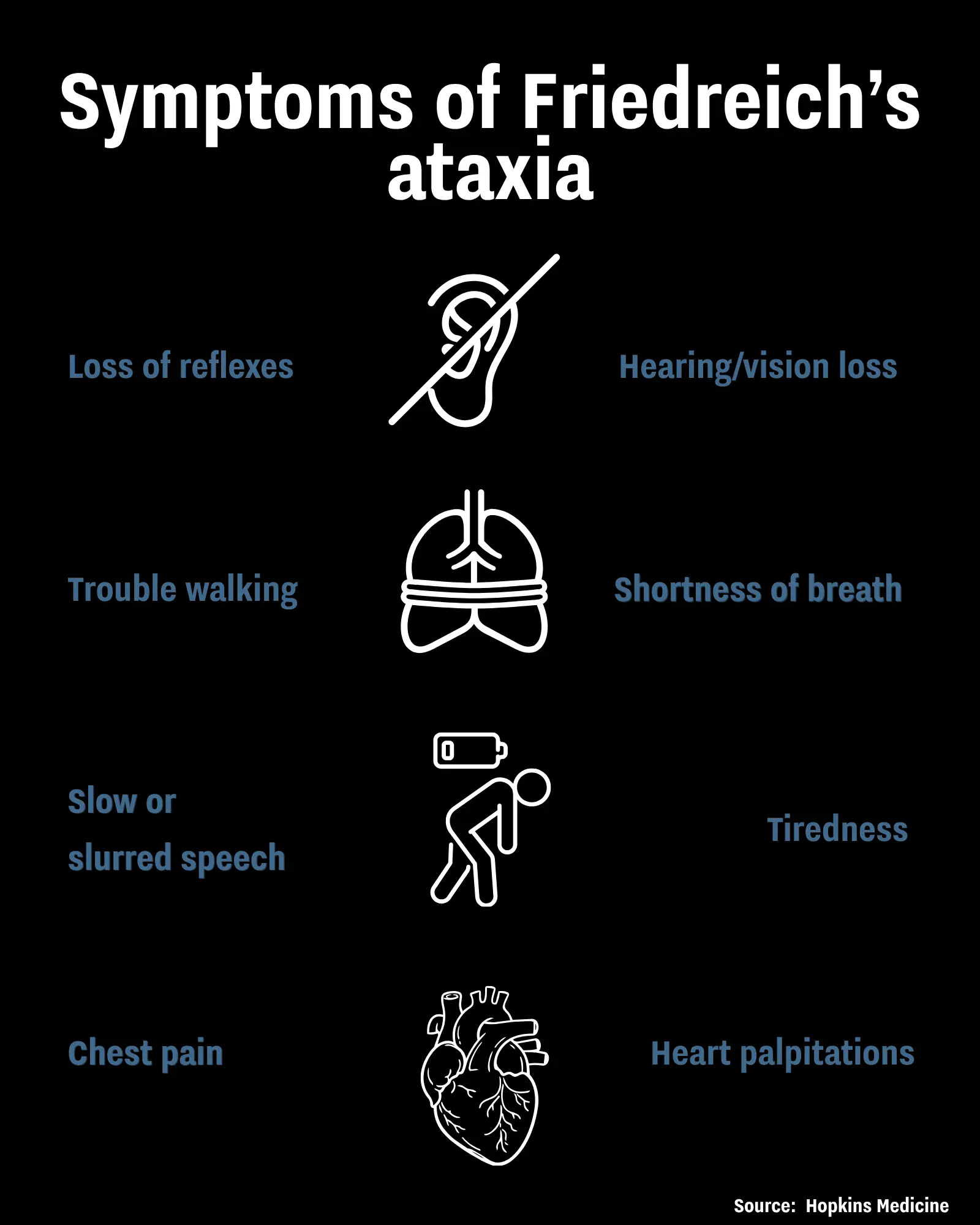
It is caused by a recessive genetic defect in the FXN gene, meaning a child must inherit a faulty copy from both parents to be affected.
As the debilitating disease gradually progresses over time, it causes unsteady, awkward movements and a loss of feeling due to severe nerve injury.
Beyond attacking the nervous system, the disorder frequently leads to life-threatening heart disease, severe curvature of the spine, and even diabetes.
While there is currently no known cure for Friedreich's ataxia, modern treatments like physical therapy and surgery aim to keep the disease in check for as long as possible.
 Joe Yates