
Nuclear expert explains exactly what would happen to your body during an atomic bomb explosion

A nuclear expert has explained what would happen to the human body during an atomic bomb explosion.
Alex Wellerstein is a historian of science and nuclear weapons and a professor at the Stevens Institute of Technology. He recently sat down to talk about nuclear weapons, how radiation works and what happened when the US detonated two atomic bombs over Hiroshima and Nagasaki during World War II.
The atomic bombing of the cities remains the first and only use of nuclear weapons in history to date. The blasts destroyed large areas of the cities, instantly killing tens of thousands of people with thousands more going on to die of radiation exposure.
Speaking about what happens during an atomic bomb explosion - and the impact it has on the human body -, Wellerstein provided a step-by-step explanation, sharing how the radiation and the explosion itself can cause catastrophic harm.
Advert
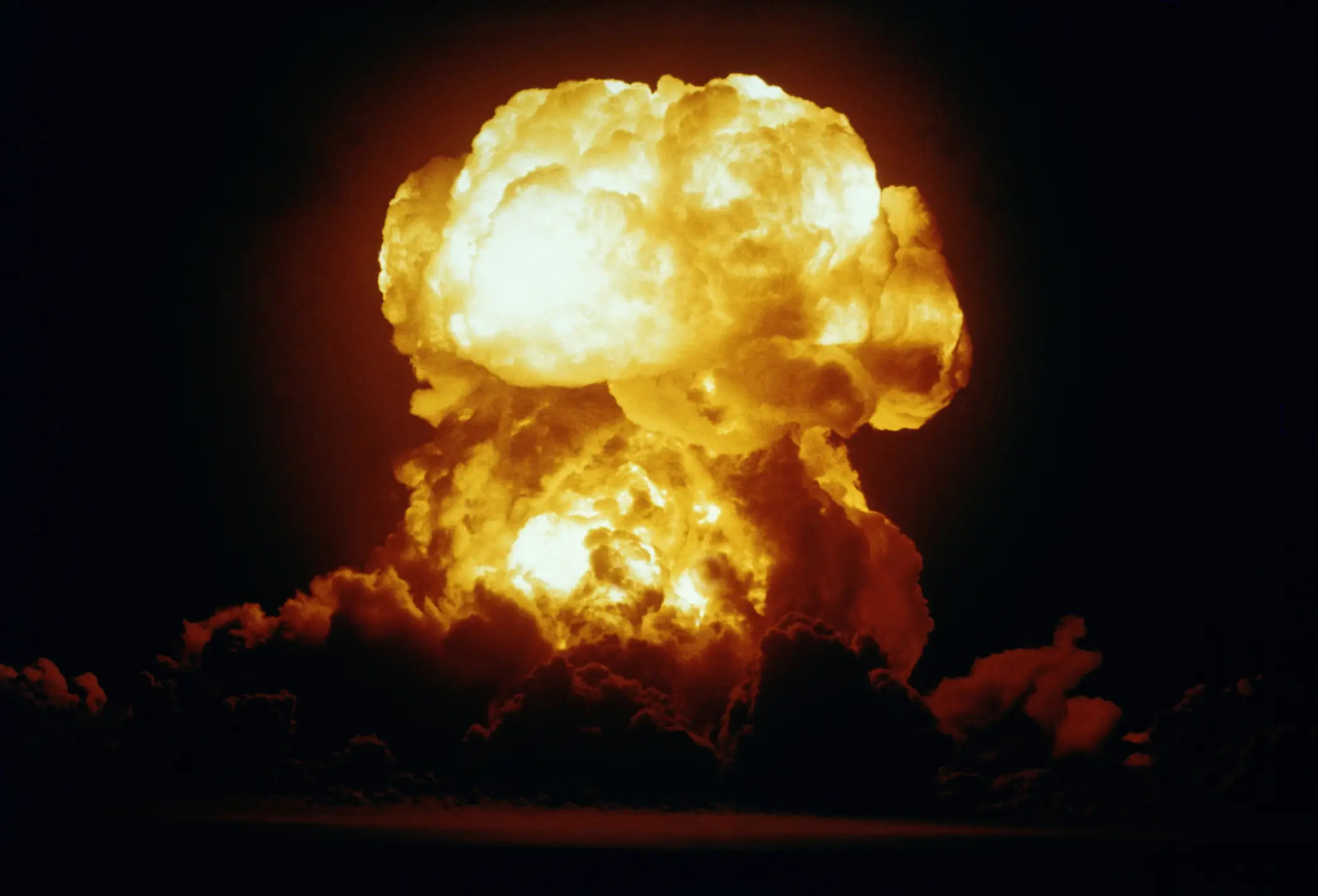
Speaking with WIRED, he said: "The first thing, if you saw a nuclear weapon go off, one, the brightness. It's very bright. With that brightness comes this flash of radiation. If you are close enough to an atomic bomb, you will instantly get a lot of radioactive particles, gamma rays, beta particles, things like this, going through your body.
"For the Hiroshima bomb, the radius from the detonation point where you would get a fatal amount of radiation is about three quarters of a mile. If you're in that zone, you're probably dead no matter what happens next.
"If you're a little out of that zone, you might still get some radiation. That is probably not your biggest concern for most nuclear weapons, but it's not the best.
"The next thing you would experience is heat. The surface of the fireball is hotter than the sun, briefly. If you are in direct line of sight with this, it’s sort of like if the sun was suddenly a lot closer than it is now. If you are really close to the fireball, you could literally be vaporized.
"Most people at Hiroshima and Nagasaki are not vaporized or melted, but they were severely burned."
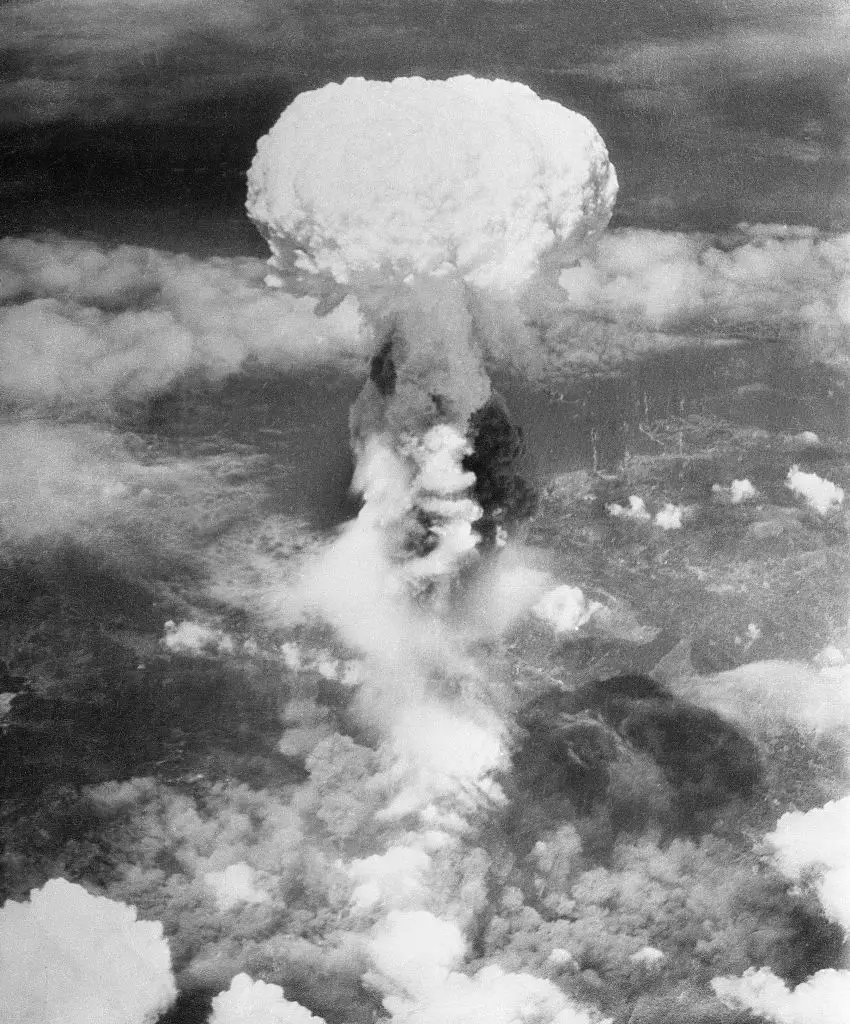
Wellerstein explained that depending on the distance from ground zero - which is the point closest to nuclear detonation - any buildings would also be either wiped out or almost completely destroyed.
"The next effect, that fireball in that first split second of it going off, is superheating the air around it," he added.
"It's going to be moving outward, this is the shock wave, the blast wave. As it goes out, it's this wave of pressure that's going to intersect with the ground and move along it and push.
"The more it goes, the weaker... this is powerful enough at different distances to do a lot of damage.
"At Hiroshima, if you were about 300 meters from ground zero, that would be enough blast pressure, about 20 pounds per square inch, to destroy almost any building.
"Any buildings that are still remaining at Hiroshima, like the famous Atomic Bomb Dome are gutted."
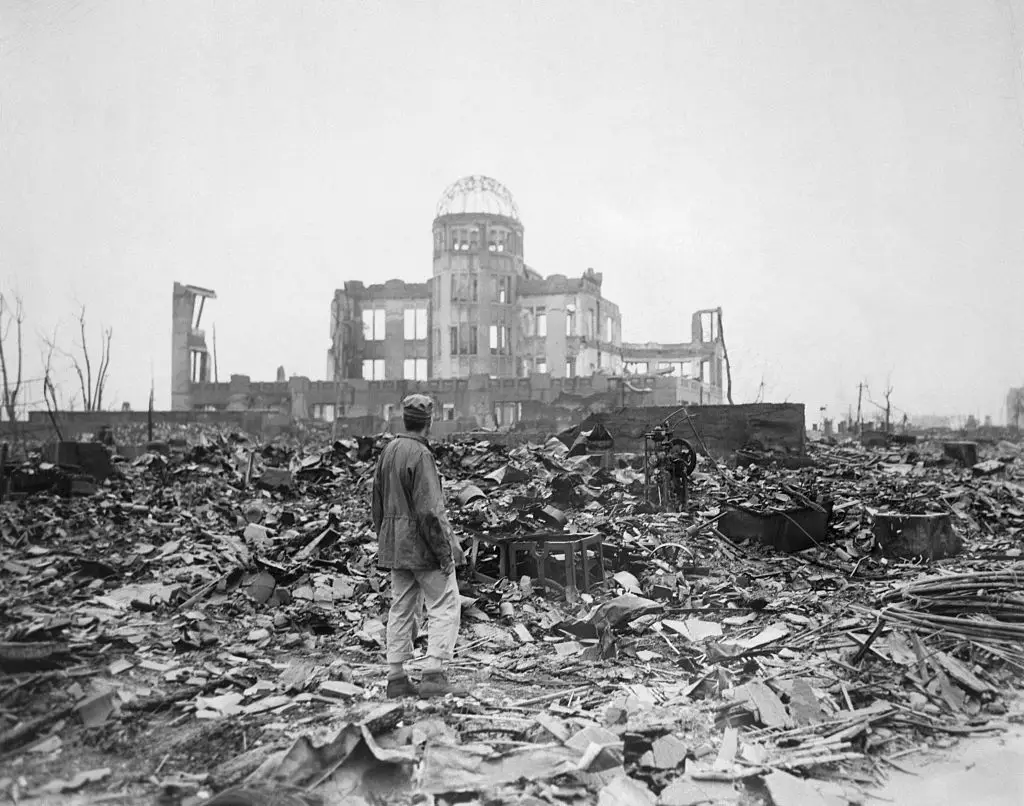
Also known as the Genbaku Dome, the building is the only structure to remain after the Hiroshima bombing.
Following the attack, it was preserved to serve as a symbol of hope for peace, as well as the eradication of nuclear weapons.
Topics: Health, History, US News, World News
 Lucy Devine