unilad homepage
  • News
    • UK News
    • US News
    • World News
    • Crime
    • Health
    • Money
    • Sport
    • Travel
  • Film and TV
    • Netflix
  • Music
  • Tech
  • Features
  • Celebrity
  • Politics
  • Advertise
  • Terms
  • Privacy & Cookies
  • LADbible Group
  • LADbible
  • SPORTbible
  • GAMINGbible
  • Tyla
  • UNILAD Tech
  • FOODbible
  • License Our Content
  • About Us & Contact
  • Jobs
  • Latest
  • Archive
  • Topics A-Z
  • Authors
Facebook
Instagram
X
Threads
TikTok
YouTube
Submit Your Content
Expert reveals exactly what happens to your body when you hold in your poo

Home> News> Health

Updated 13:58 29 Mar 2026 GMT+1Published 16:36 28 Mar 2026 GMT

Expert reveals exactly what happens to your body when you hold in your poo

Nothing wrong with wanting to know how to have healthier poos

Gerrard Kaonga

Gerrard Kaonga

google discoverFollow us on Google Discover
Featured Image Credit: Getty Stock Image

Topics: News, Health

Gerrard Kaonga
Gerrard Kaonga

Gerrard is a Journalist at UNILAD and has dived headfirst into covering everything from breaking global stories to trending entertainment news. He has a bachelors in English Literature from Brunel University and has written across a number of different national and international publications. Most notably the Financial Times, Daily Express, Evening Standard and Newsweek.

Advert

Advert

Advert

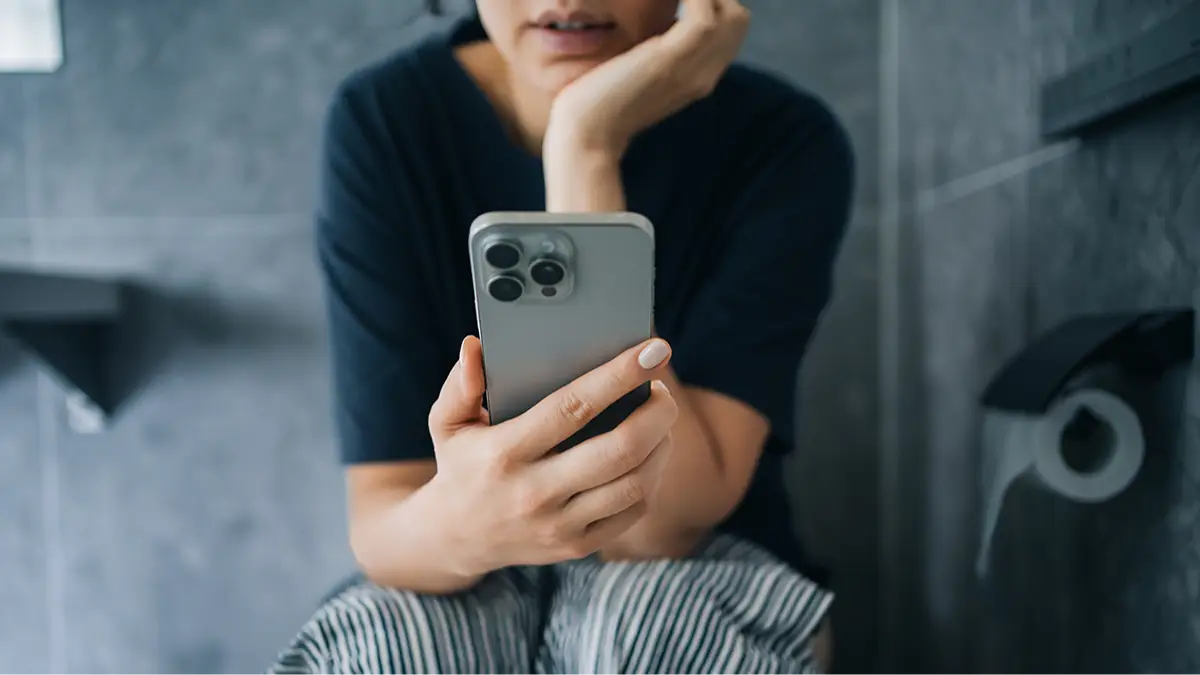
Doctors have revealed the dangers that can arise if you hold in your poo too long and how your body responds.

While we all go to the toilet, it is hardly something we talk about all that often, even with friends.

This can lead to bad habits that are bad for your health, including holding your stool for too long before passing it.

Dr Wylie for IQdoctor explained what holding in your poo does to your body.

Advert

Speaking to Metro, they said: “When stool remains in the bowel for longer than it should, more water is absorbed from it, making it harder, drier, and more difficult to pass.

“This can lead to constipation, straining, abdominal discomfort, bloating, and a feeling of incomplete emptying.”

While this can be uncomfortable, the doctor also warned of an even more concerning scenario.
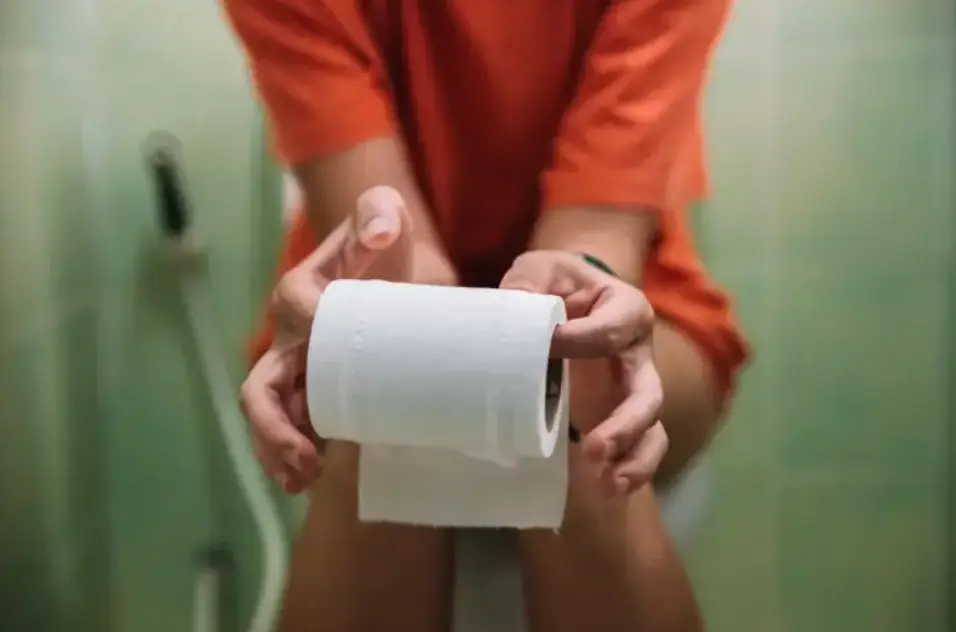
eryone's bowel movements are different, but we shouldn't be ignoring the urge to poop (Antonio Hugo Photo/Getty Images)

They continued: “In more severe cases, stool can become impacted, meaning it is so hard and large that it cannot be passed without medical treatment.”

When you eventually do try to go to the toilet, if you’ve made a habit of holding it in, you could also need to strain.

The doctor added: “This increases pressure in the abdomen and around the anus, which can contribute to haemorrhoids (piles) and anal fissures, which are small tears in the lining of the back passage."

Australian gastroenterologist Professor Peter Katelaris has previously issued similar warnings.

Speaking to news.com.au, he said: “Some people expect their bowels to open when they want them to, typically after breakfast and before work.

"They sit in hope and expectation, sometimes for a long time, waiting for something to happen.”

The forced straining can then cause painful splits in the skin of the anus, known as fissures, as well as itchy, uncomfortable hemorrhoids.

In older people, straining can cause blood pressure to spike, which could in some cases result in a heart attack or a stroke.
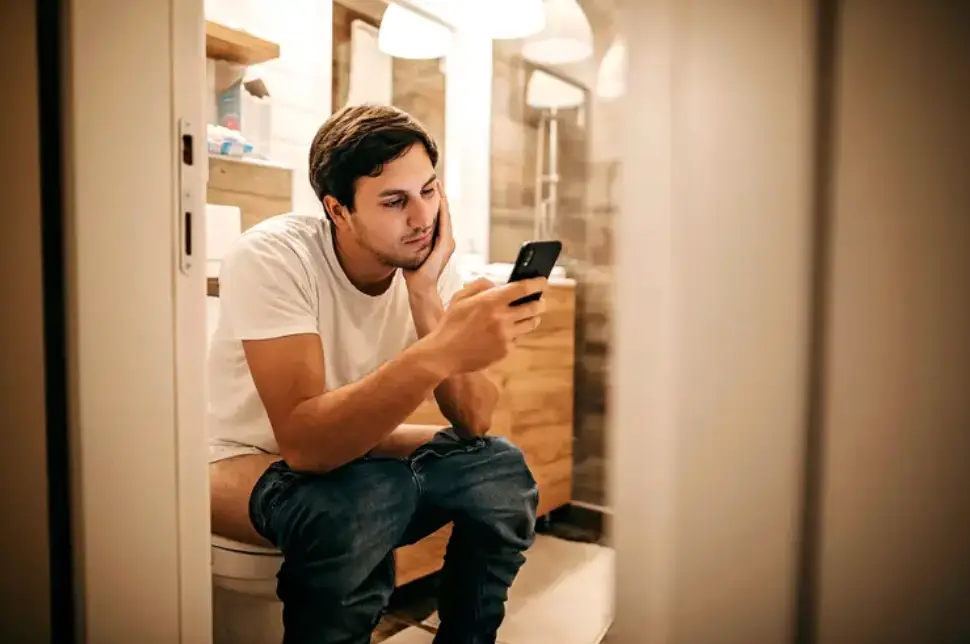
Spending more time than we need straining on the toilet is also bad for us (Stefa Nikolic/Getty Images)

So, how often should we be passing stool?

Prof Katelaris issued an important reminder: that 'our bodies are not machines.'

He added that people shouldn't worry if they're not pooping every single day.

“What is normal for one person may not be normal for another. In general, the majority of adults open their bowels between three times a day and three times a week,” he explained.

To keep your bowel movements regular, Katelaris recommends eating a balanced, portion-controlled, wholefood diet with minimal ultra-processed foods.

He also stresses the importance of drinking enough water to stay hydrated and getting an adequate amount of exercise.

However, if you notice any unusual, sustained changes with your bowel movement and poop, you should visit your general practitioner.

Choose your content:

28 mins ago
an hour ago
2 hours ago
  • Edward Berthelot/Getty Images
    28 mins ago

    Jaden Smith called out for bizarre fan interaction at Coachella

    The video went viral on TikTok, where fans took issue with Smith's reaction to the fan

    Celebrity
  • Axelle/Bauer-Griffin/FilmMagic
    an hour ago

    Nicole Kidman reveals surprise new career she's pursuing at age 58

    The star said that while the new career 'sounds a little weird', it's deeply important to her

    Celebrity
  • Getty Stock Images
    an hour ago

    Men are spending up to $20,000 on a bizarre new procedure to boost penis size

    8,000 men are said to have had the procedure

    News
  • Dave Benett/Getty Images for Experience Abu Dhabi
    2 hours ago

    Katy Perry responds to Ruby Rose accusing her of sexual assault

    A representative for the singer has now spoken out

    Celebrity
  • This is what actually happens to your body when you take protein powder every day
  • Expert reveals exactly what happens to your body when you don't drink enough water
  • Doctor reveals exactly what happens to your body when you stop eating for three days
  • Expert breaks down exactly what happens to your body during a fast