
Exactly when 'generation-three' hantavirus cases could appear as experts speak out on spread

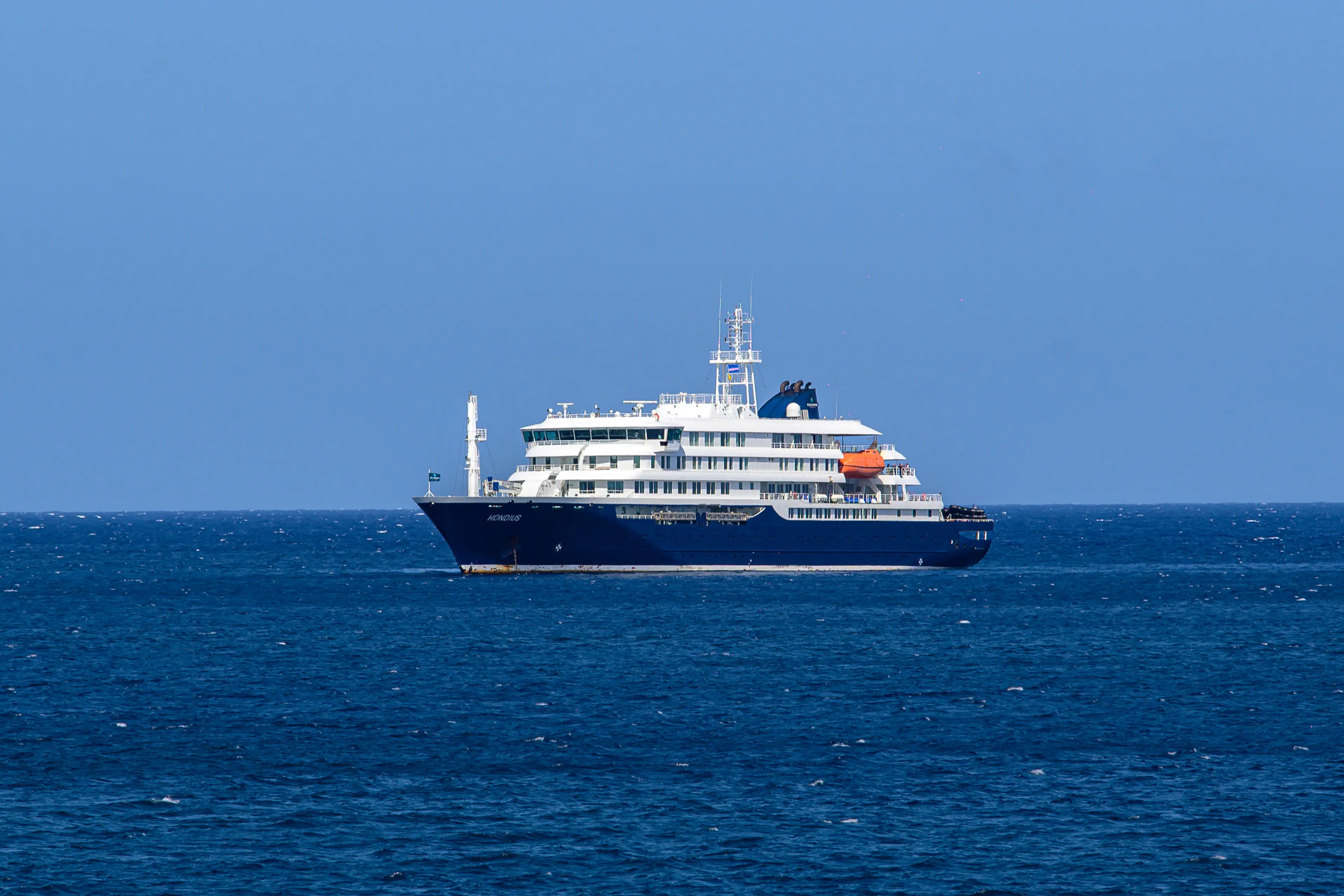
People are concerned that hantavirus may spread to the general public after passengers onboard the MV Hondius were recently evacuated from the ship.
The first case of hantavirus onboard a Dutch cruise ship carrying as many as 150 people was confirmed at the beginning of May and, as of May 13, there are now said to 11 cases – nine of which have been confirmed by the World Health Organization (WHO).
The ship set sail from Argentina in April and ended up having to make a detour to Tenerife to evacuate everybody onboard following the hantavirus outbreak.
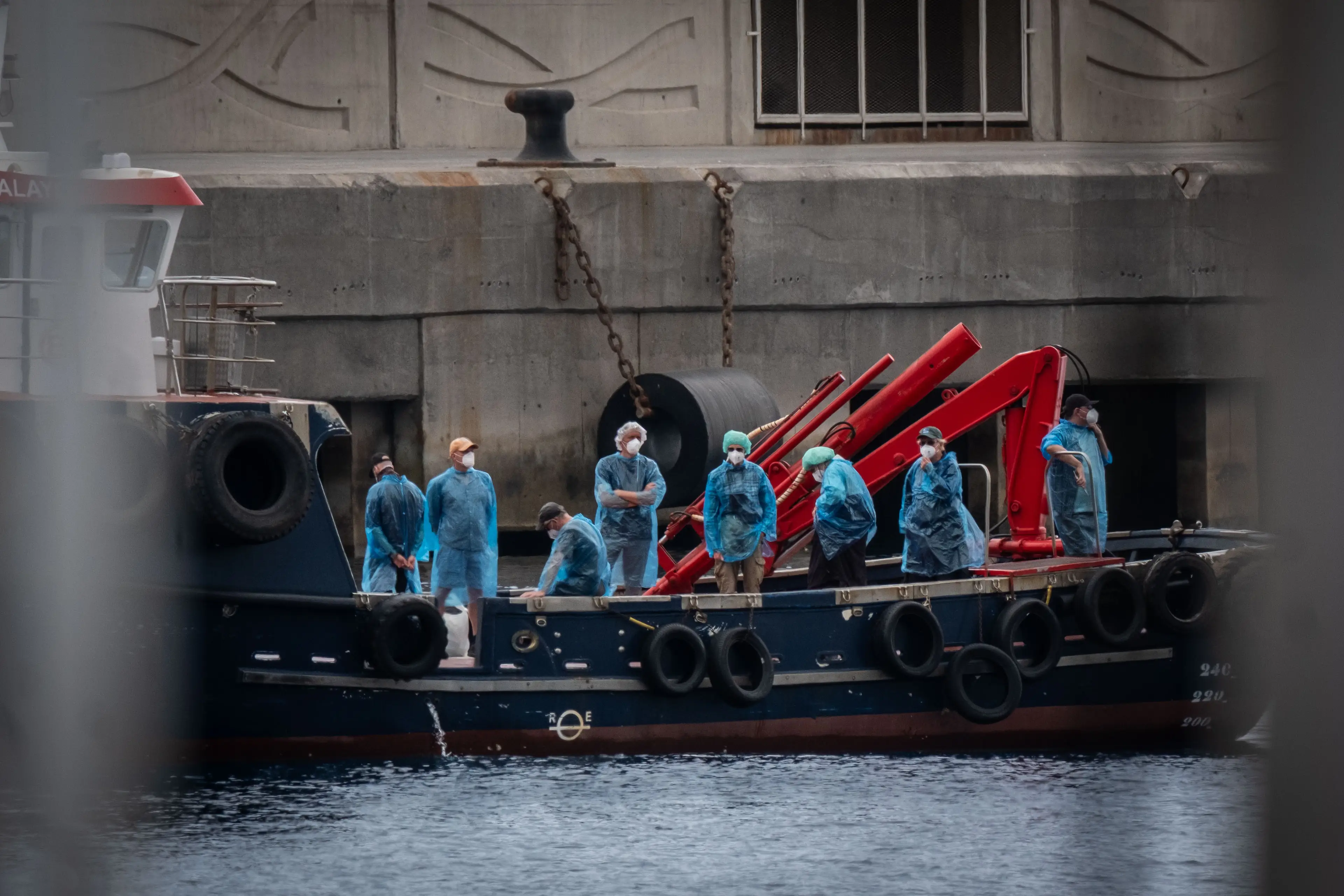
Three people died on the ship while others who fell seriously ill had to be airlifted off the vessel. Meanwhile, the remaining passengers disembarked from the MV Hondius on Sunday (May 10).
Advert
Passengers on the Dutch ship hail from different parts of the globe and included 17 Americans, all of whom landed in Nebraska early Monday morning. One American has since tested positive for the Andes strain of the virus, The New York Times reported.
As the numerous people who were on the MV Hondius return to their native countries, there are concerns that they may go on to spread hantavirus to other members of the public should they later test positive.
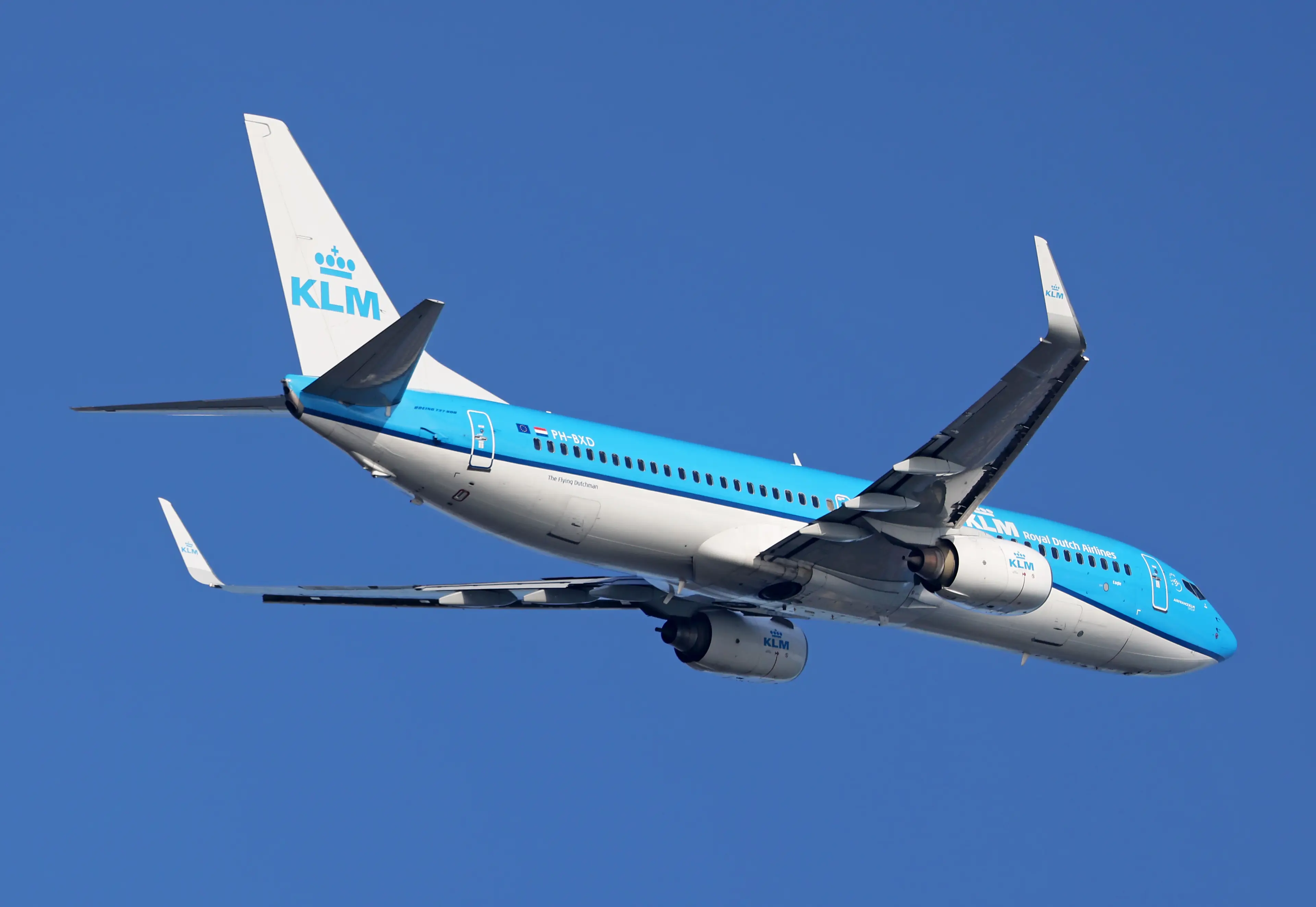
One man from Italy who was not on the Dutch cruise ship is currently being tested at an infectious diseases hospital. He's believed to have been on a KLM flight alongside a woman, Miriam Schilperoord, who later died from the virus, per news.au.com.
If the unnamed individual goes on to test positive for hantavirus, it could mean that the disease is more contagious that initially thought in what officials describe a 'generation-three' cases.
What is 'generation-three'?
In this instance, the recent hantavirus outbreak started with 'patient zero', who is believed to have been Dutch national, Leo Schilperoord.
Those who then came into contact with Schilperoord (if he was in fact 'patient zero' on the MV Hondius) and fell unwell with hantavirus afterwards are then dubbed a 'generation-two'.
'Generation-three' are those who then contract hantavirus from 'generation-two' cases: for example, Schilperoord's wife Miriam.
The 25-year-old Italian man who is now presenting hantavirus symptoms is said to have been sat next to Miriam on the KLM flight she was on before she died.
If he tests positive for the disease, he'll be the first 'generation-three' case.
Timeline warning from health officials
Dr Steven Quay, a US physician-scientist, has worked out when 'generation-three' cases may start to emerge.
Dr Quay's calculation is based on a roughly three-week incubation period seen with the Andes strain.
He explained (per GB News): "May 19 is a good date to watch for. If cases continue beyond that point they will probably be generation two to generation-three cases."
But WHO chief Tedros Adhanom Ghebreyesus remains somewhat confident that hantavirus won't spread much further.
"There is no sign that we are seeing the start of a larger outbreak," he said at a news conference, adding: "But of course the situation could change, and given the long incubation period of the virus, it's possible we might see more cases in the coming weeks."
It some cases, it might take someone as long as eight weeks after exposure to present symptoms of hantavirus.
Topics: Cruise ship, World News, Health
 Niamh Shackleton