'Patient zero' in cruise ship hantavirus outbreak identified as man who visited rat-infested landfill

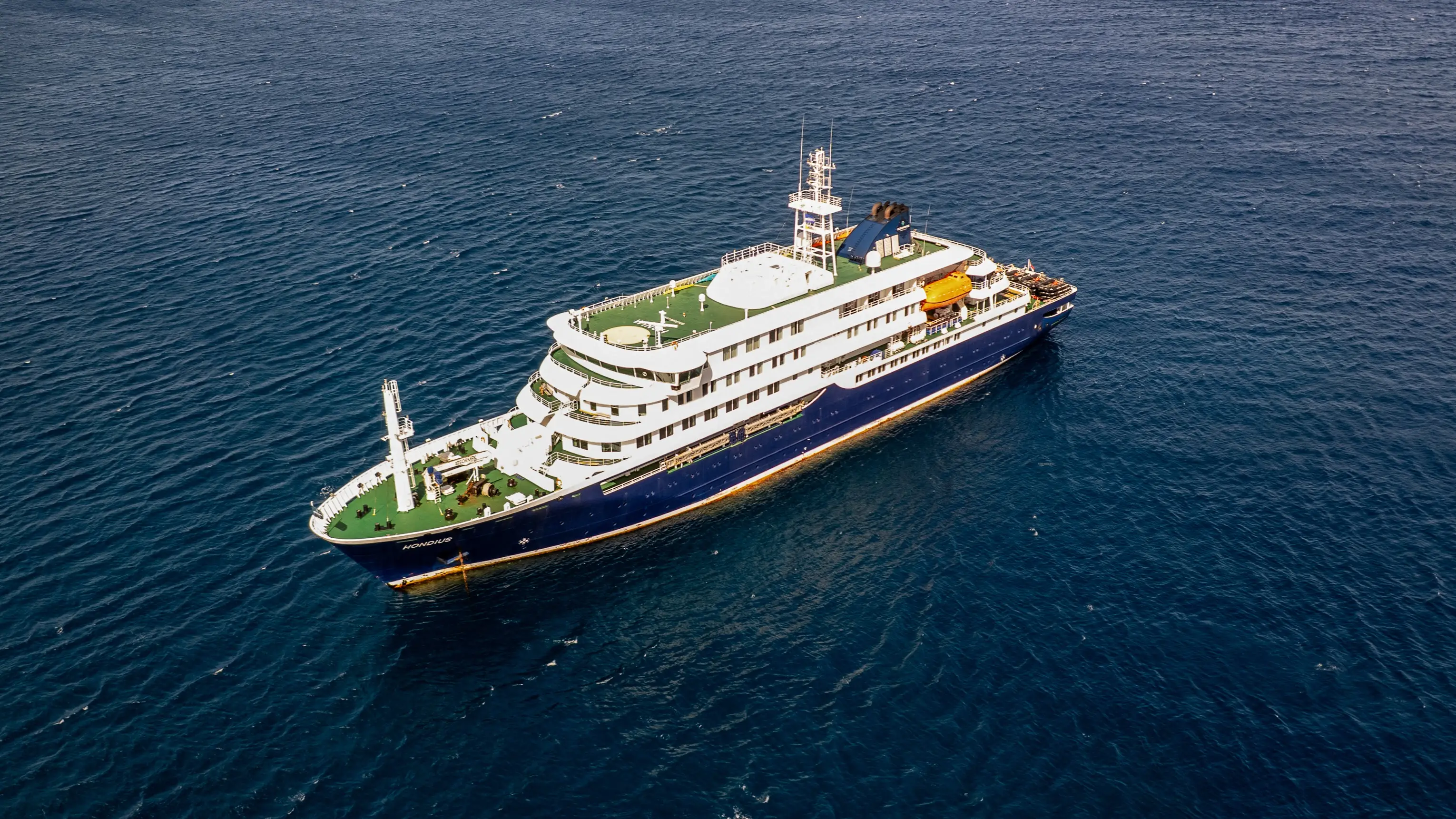
The first person to die from hantavirus on MV Hondius has been identified as the remaining passengers begin to be evacuated from the ship.
Three people have died following a hantavirus outbreak onboard a Dutch cruise ship that set sail from Argentina on April 1.
There's since been another five confirmed cases of the virus in connection to those onboard MV Hondius. Typically hantavirus is linked to rodents but it's believed that this strain, the Andes virus, could be because of person-to-person transmission.
Today (May 10), the remaining passengers onboard the cruise ship are being evacuated in Tenerife.
Advert
The Spanish authorities will begin evacuations of the ship by nationality. There's said to be 17 Americans onboard.
Once everyone is off the ship, there's expected to be six repatriation flights to elsewhere in the European Union and four non-EU flights.
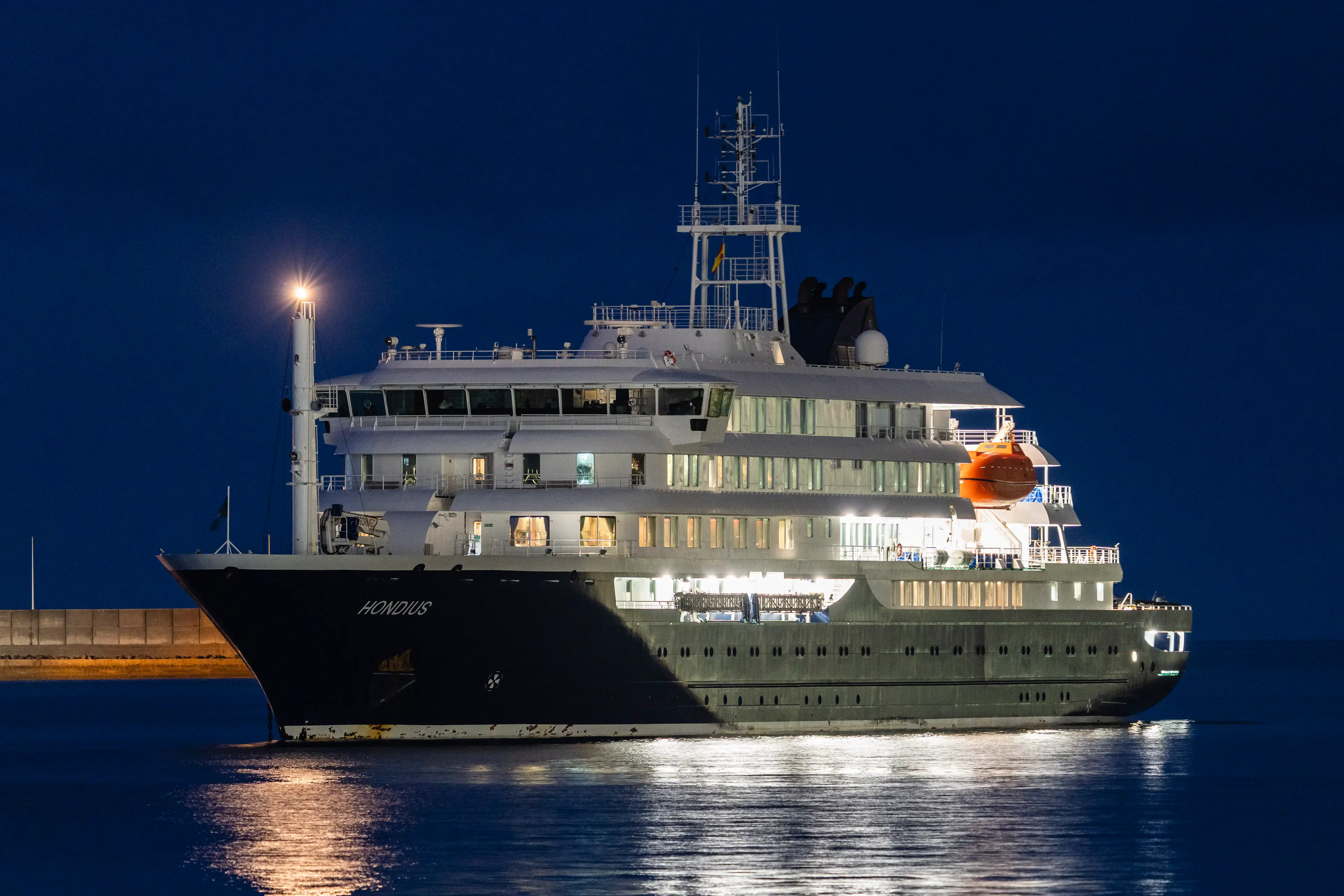
If people test negative and are not displaying symptoms, they will be taken straight to a chartered repatriation flight staffed by medical professionals and containing personal protective equipment such as face masks.
As the passengers prepare to exit the vessel, the first person who died from the virus on the ship has been named as 70-year-old Dutch national, Leo Schilperoord.
Schilperoord was a ornithologist who had been traveling around South America with his wife, Mirjam Schilperoord. Sadly Mirjam has since died from the virus as well.
How did they contract the virus?

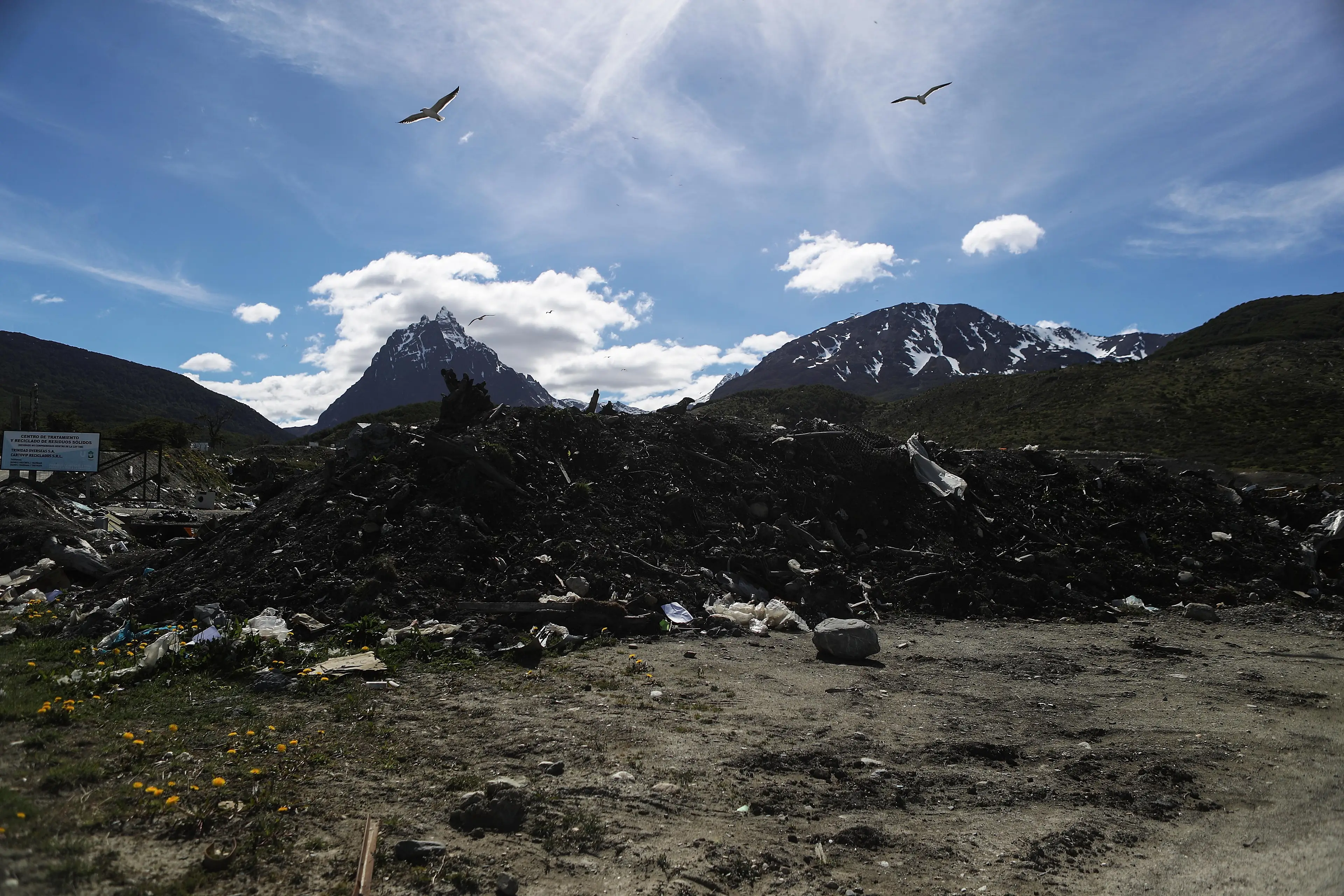
The Dutch couple are said to have been keen bird-watchers and has visited a rat-infested Argentina landfill in late March in the hopes of capturing a glimpse at rare species of Patagonian birds, including the White-bellied Seedsnipe.
Supposedly the landfill, located four miles outside the city of Ushuaia, is popular with bird-watchers with this in mind. But Gastón Bretti, a photographer and local guide, warned that this particular site is 'a mountain of waste that today far exceeds the limit initially established by the authorities', he told Ansa Latina.
It's thought that his landfill is home to long-tailed pygmy rice rats, which are known to carry the Andes strain of hantavirus. It's here that the authorities think the Schilperoords inhaled particles from the feces of these rats, the New York Post reports.
They boarded the MV Hondius just a few days after visiting the landfill.
The symptoms of the Andes strain of hantavirus and how it spreads
The Andes strain of hantavirus is very rare. Microbiologist Dr Gustavo Palacios told CNN there have only ever been 3,000 known cases.
It is the only documented form of hantavirus with human-to-human transmission. One study showed that window for patients to be infectious was about a day, when they develop a fever. But they also found it was transmissible through only brief proximity to an infected person.
Andes virus (ANDV) is primarily found in South America and has a high fatality rate, between 20 and 40 percent. It can cause hantavirus pulmonary syndrome (HPS), which attacks the lungs. Symptoms start one to eight weeks after infection and the first signs can include:
- Fatigue
- Fever
- Muscles aches
- Headaches
- Dizziness
- Chills
- Nausea and vomiting
- Diarrhoea
Later symptoms include:
- Coughing
- Shortness of breath
Topics: Cruise ship, Travel, News, World News
 Niamh Shackleton