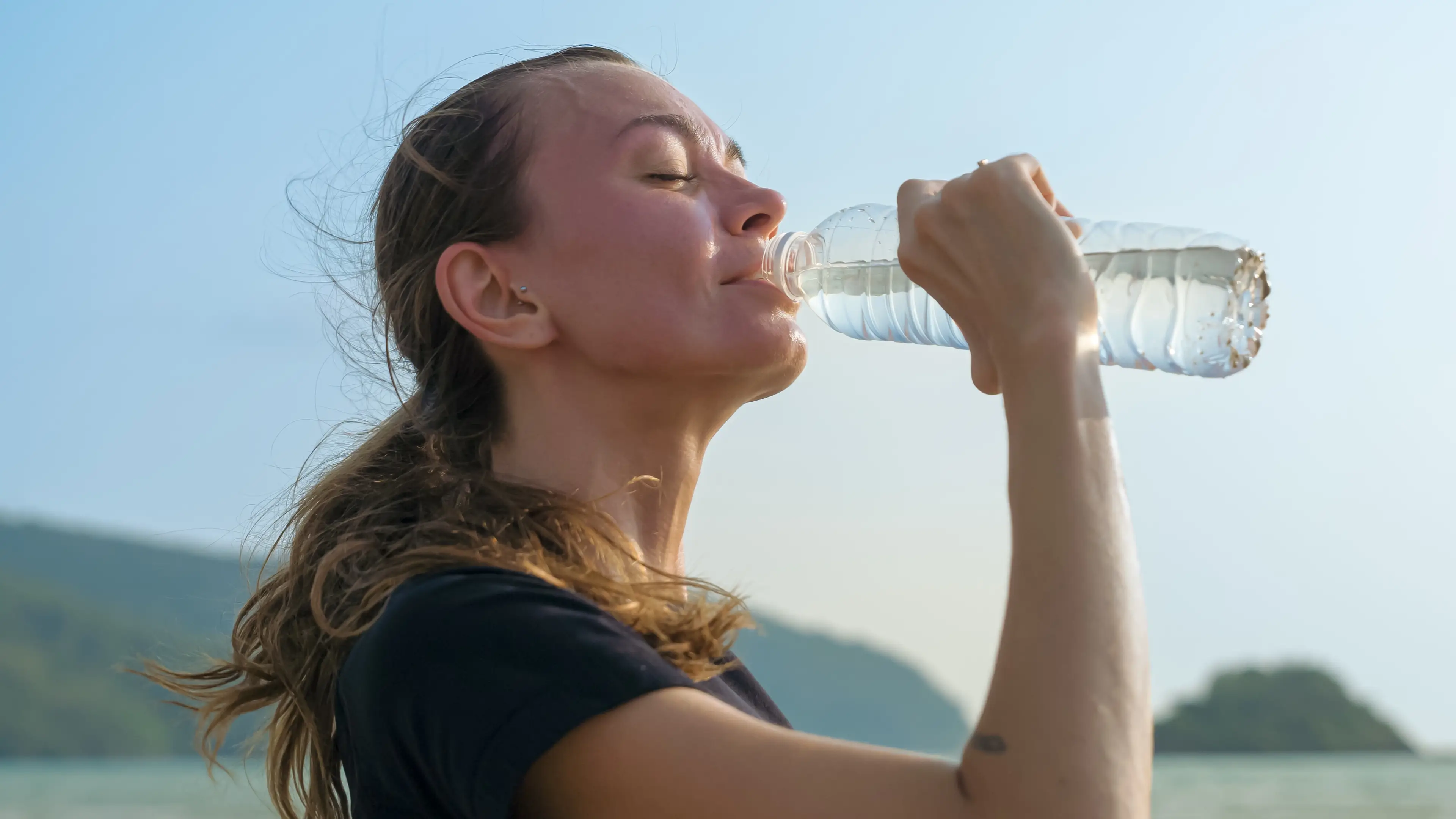
Expert reveals exactly what happens to your body when you don't drink enough water

An expert has revealed the negative impacts not drinking enough water can have on your body, and it'll make you want to ditch your morning coffee for a pint of water instead.
There's a sweet spot of how much water you should be drinking a day, which can vary from person to person depending on their age.
Children aged four to eight years, for example, should be having 1.2 liters a day. In comparison, adults aged 60 and over should be aiming to have between 1.6 liters to 2 liters of water a day.
But what happens if you're not hitting these targets?
Advert
Speaking to Metro Online, Dr Nadira Awal revealed how your body reacts when you're not incorporating enough H2O into your daily diet.
Brain
According to Dr Awal, if you're not drinking enough water then blood volume fall and causes ‘diminished blood flow to the brain'.
This will likely present itself in the form of an unwanted headache.
Mouth, skin, and lips
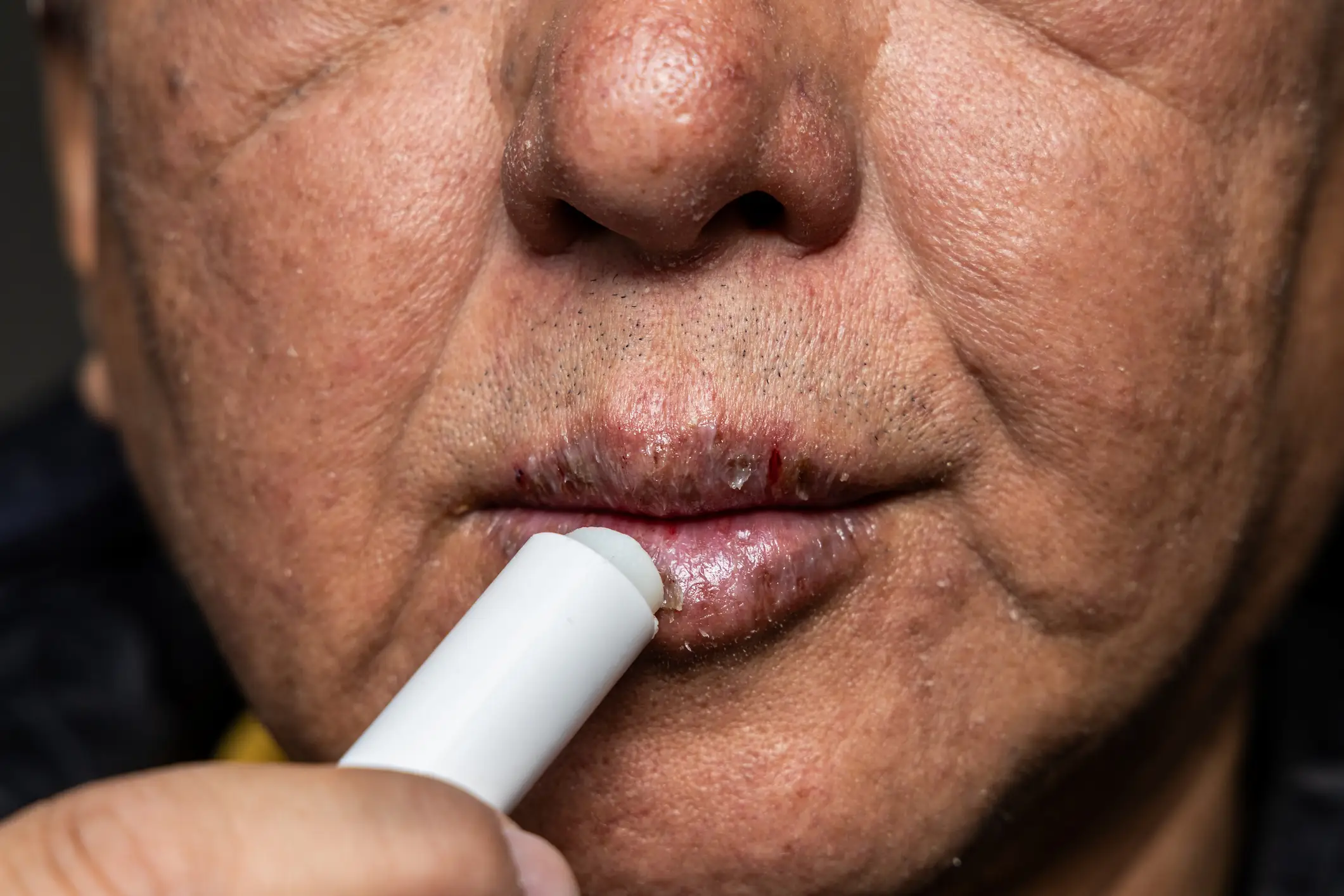
"As the body dehydrates, saliva production diminishes, causing the mouth to feel dry or sticky," Dr Awal explained, adding: "Lips may also become dry and chapped."
Dehydration will also make the skin feel 'less plump and flexible'. A good way to test if you're dehydrated is the 'pinch test'.
"The skin turgor test is a basic test in which you gently pinch and release the skin on the back of your hand," the healthcare expert said of this.
"If the skin doesn’t soon return to its usual position and instead appears 'tented' it may be an indication of dehydration."
Energy levels
Fatigue is said to be a key sign of dehydration. When you've not drank enough water, the body needs to work harder to 'execute routine processes, which can cause fatigue and a lack of energy'.
So, if you're feeling like you're lacking in energy and it's not sleep-related, then there's a good chance it's because you need more H2O in your life.
In extreme cases, a person might faint if they become seriously dehydrated as a result of a drop in blood pressure, Dr Amal warned.
She continued to say of this: "When these symptoms appear, it is critical to treat dehydration at once. In most circumstances, increasing fluid intake will treat mild to moderate dehydration.
"However, in severe situations or susceptible populations such as small children or the elderly, medical intervention may be required."
Topics: Fitness, Food and Drink, Health, News, Science
 Niamh Shackleton