Expert explains the travel risks that could turn you into ‘patient zero’ following hantavirus outbreak

An expert has revealed the travel risks that you might want to steer clear of if you want to avoid being 'patient zero', following the hantavirus outbreak.
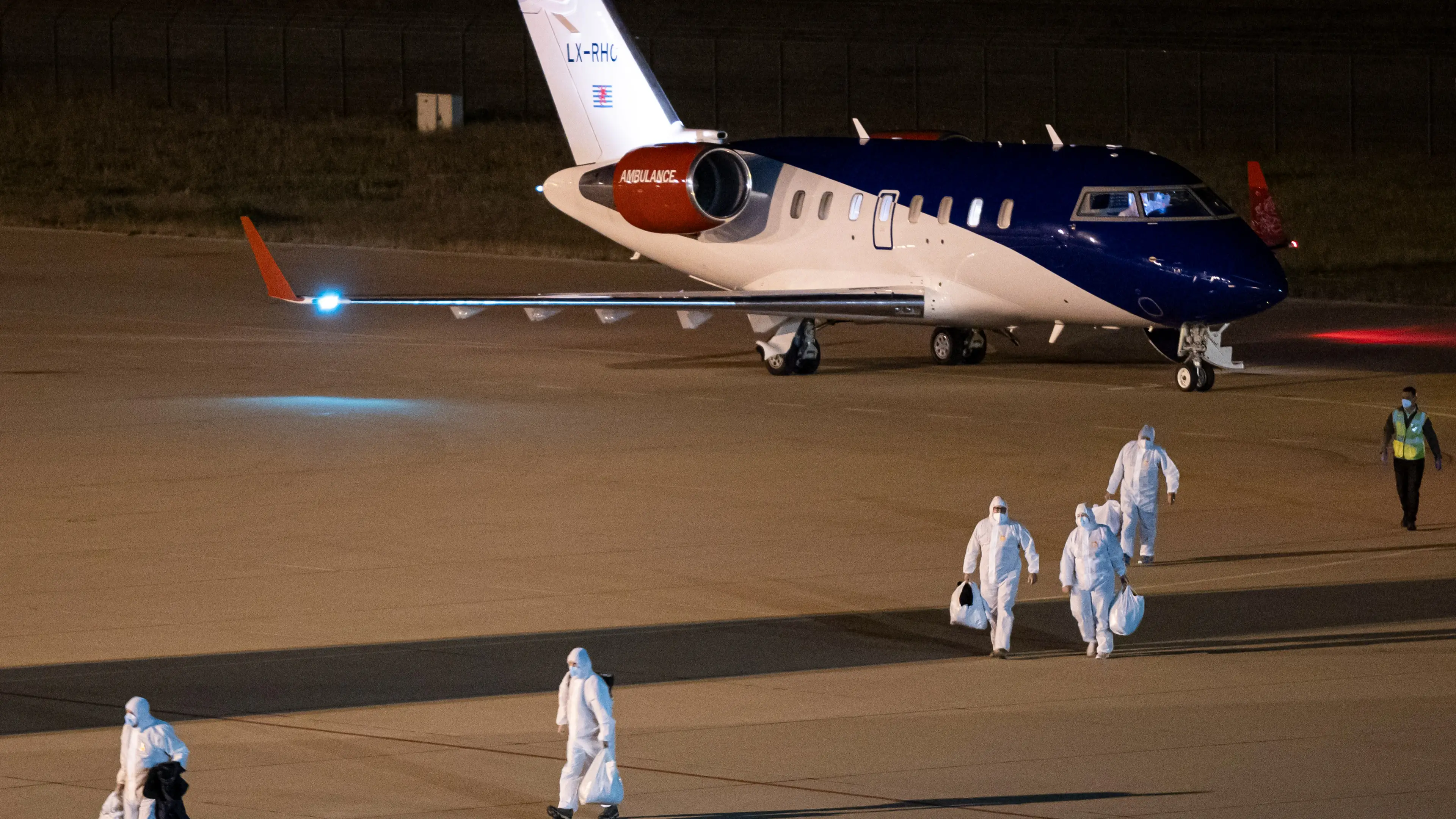
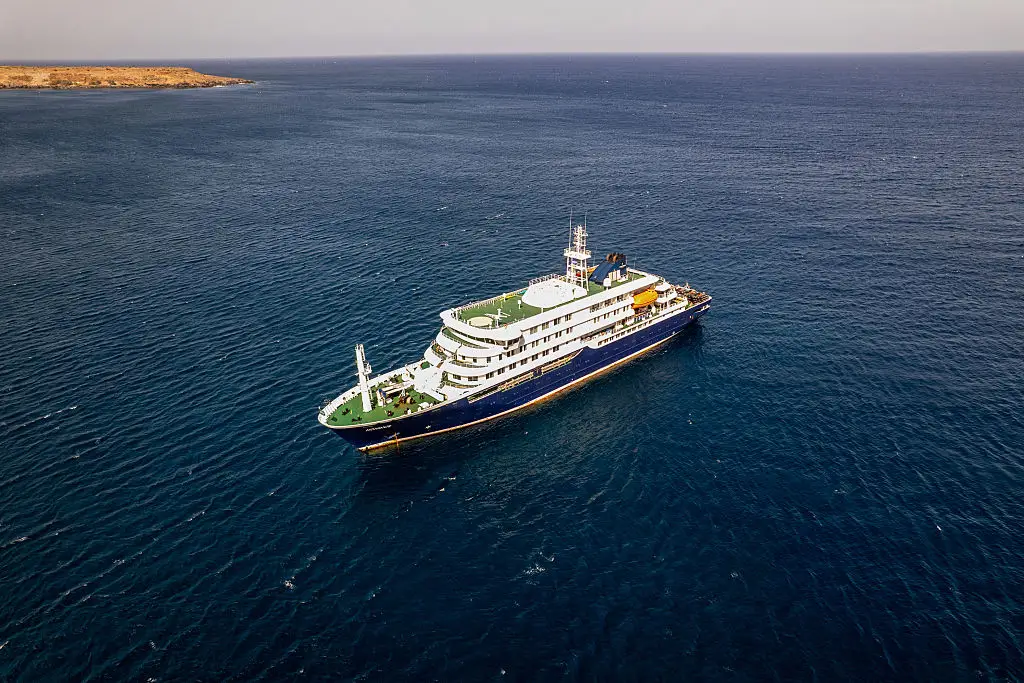
At the beginning of May, the virus - which primarily derives from rats - began to break out on the MV Hondius cruise ship.
As of May 13, there are now said to 11 cases – nine of which have been confirmed by the World Health Organization (WHO). While the ship set sail from Argentina in April, it ended up detouring to Tenerife where passengers were evacuated to their respective countries.
The outbreak is believed to have started with 'patient zero', Dutch national, Leo Schilperoord. It's reported that the birdwatcher and his wife, Mirjam Schilperoord, had visited a landfill site before boarding the ship, trying to spot a white-throated caracara.
Advert
Authorities believe the couple could have inhaled particles from the droppings of pygmy rice rats, which are known to carry the virus.
Speaking to the New York Post, physician-scientist Dr. Steven Quay, explained there are 10 travel risks that could lead to the beginning of an outbreak.
Visiting bat caves
Dr Quay explained that bats are notorious for carrying viruses and fungi, with the Bat Conservation Trust explaining that 'several viruses, including Ebola virus, Marburg virus, Nipah virus, Hendra virus, severe acute respiratory syndrome coronavirus (SARS-CoV), Middle East respiratory coronavirus (MERS-CoV) and SARS-CoV-2' have been linked back to a number of different bat species.
It's recommended that travelers avoid caves, tunnels and mines that are inhabited by bats, to avoid any unnecessary risks.
Eating local delicacies
Quay warns against eating certain local delicacies such as bushmeat. He said: “Monkey, ape, bat, rodent, or other wild-animal meat is not cultural courage; it is zoonotic roulette."
The CDC explain: "Bushmeat can be infected with germs that can cause sickness in people, including orthoebolaviruses.
"... Bringing bushmeat into the U.S. is illegal. Bushmeat is meat from wild animals like rodents, monkeys or apes, and bats. Bushmeat can carry diseases that can spread to people. If you try to bring bushmeat to the U.S., it will be taken away and destroyed, and you may have to pay a fine."
Spending time around landfills
As suspected from the hantavirus outbreak, spending time on landfill sites where rodents are present is particularly dangerous.
“That is where birds, rats, mice, feral animals, and contaminated dust overlap,” said Quay.
“The risk is not birdwatching; it is breathing or touching aerosolized animal waste in a place where pathogens are concentrated.”
Cleaning without protective gear
Cleaning, including sweeping or vacuuming anywhere where there could be rodent droppings could also place you at risk, particularly of hantavirus, with Quay explaining: “That is the classic hantavirus mistake: taking an invisible exposure and turning it into breathable dust."
Swimming in fresh water
Swimming in freshwater pools and lagoons might sound appealing, but there's one specific illness that you could be at risk of - leptospirosis.
Quay explained that leptospira bacteria can be found in slow-moving waters which can trigger leptospirosis and even the potentially fatal Weil's syndrome, which can cause kidney damage, severe jaundice, internal bleeding, and breathing issues.
Drinking contaminated water
There are certain countries in which drinking the tap water is advised against. Quay warns against drinking airport water in these areas, too, explaining: “Travelers often obsess over restaurant water but then refill at the airport without thinking."
Contaminated water can harbor bacteria, viruses and parasites that can lead to all kinds of illnesses. It's best to avoid tap water, fountains and drinks containing ice.
Posing with animals for photos
We've all seen photos of tourists on social media posing with wild animals, but Quay warns travelers to be careful, explaining that bites and scratches are 'potential rabies, herpes B virus, bacterial infection and outbreak investigations waiting to happen'.
Eating raw or uncooked seafood
It's not surprising that seafood and shellfish could be a particular risk, with Quay explaining they are at high risk of accumulating bacteria, viruses and parasites which when eaten raw by humans, can lead to some nasty illnesses.
Oysters, for example, can harbor bacteria such as Vibrio Vulnificus, which can enter an oyster's tissues via the filtering water it feeds from. Vibrio bacteria naturally inhabit coastal waters where oysters live.
In regards to what to look out for, it's apparently impossible to tell if an oyster is bad or not.
The CDC's website states: "An oyster that contains harmful bacteria doesn’t look, smell, or even taste different from any other oyster."
Visiting live animal markets
It's best to avoid live animal markets, which are often seen as the perfect environment for dangerous bugs to evolve.
“Live-animal markets bring stressed animals, bodily fluids, cages, wastewater and humans together in close quarters,” Quay said. “That is exactly the ecology in which zoonotic spillovers are more likely.”
Ignoring symptoms
Quay warns people to be extra vigilant if they have carried out any high risk behavior, explaining that delaying treatment can often contribute to a bigger and more serious outbreak.
Topics: News, Health, World News
 Lucy Devine