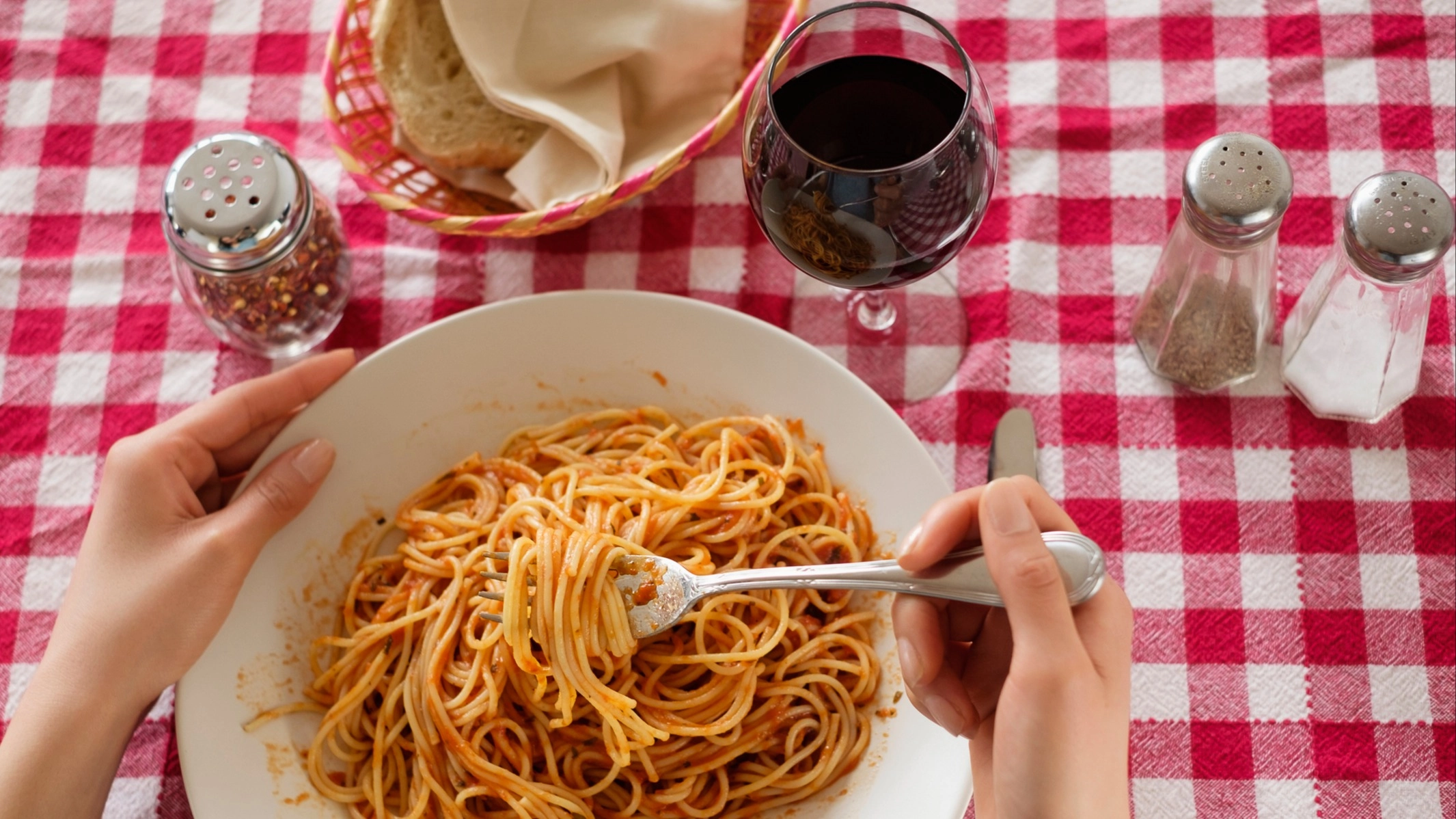
Italian warns this common sign in a pasta restaurant is actually a 'tourist trap' feature

An Italian chef has issued a warning regarding a common sign in a pasta restaurant that he described as nothing more than a 'tourist trap'.
It feels illegal visiting Rome, Milan or any other Italian city without enjoying the local delicacy of pasta or pizza, though it can be pretty difficult to know where to go.
Of course, you want it to be authentic, but you also don't want the meal to break the bank - so it's a tricky balance to achieve.
When it comes to pasta, you may think a chef whipping it the food up in a restaurant window is as traditional as it gets.
Advert
However, a chef from Napes has warned such feature is actually a 'tourist trap' and urged travelers to act with caution.
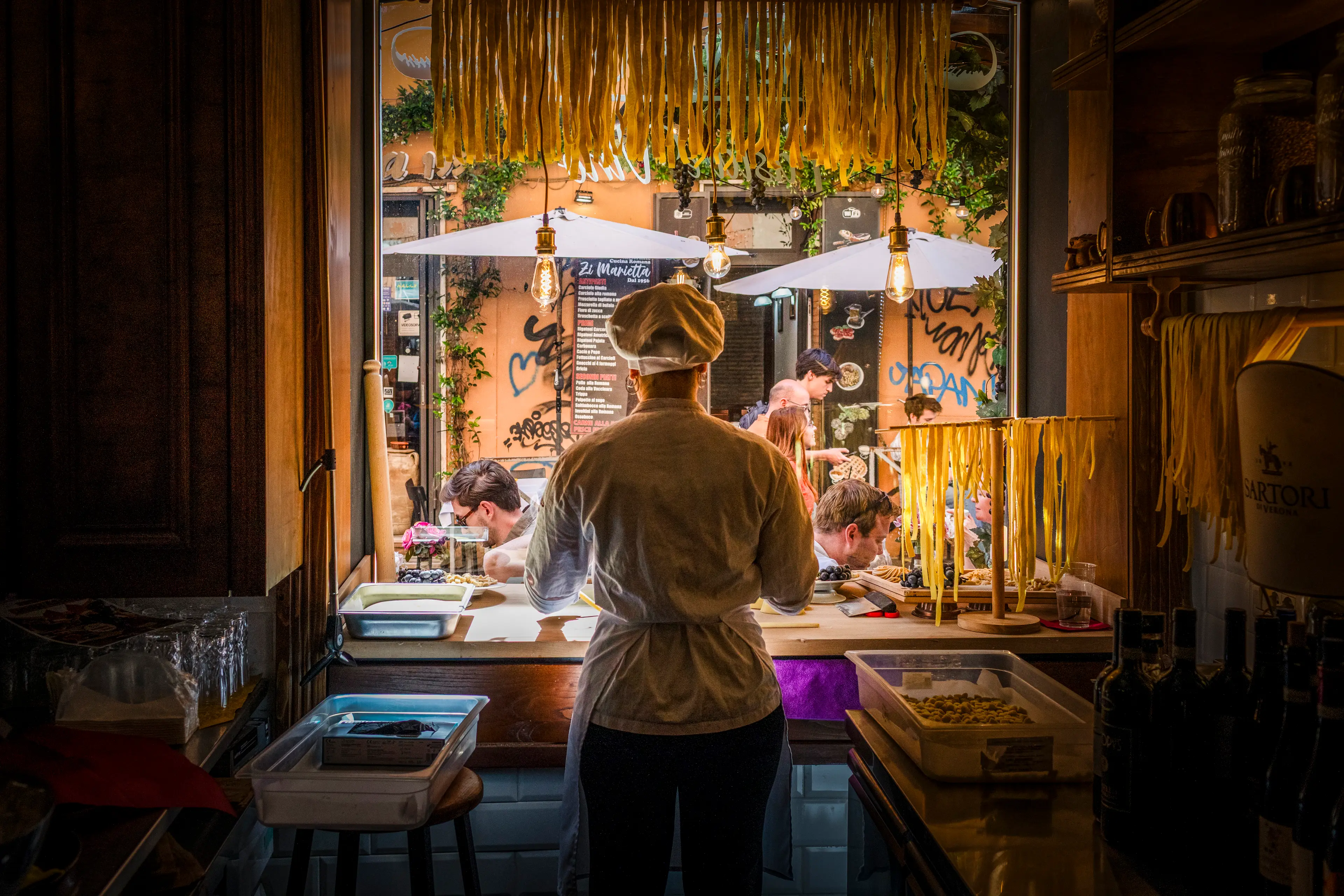
Michele Pascarella, who's the owner of an Italian restaurant in London, told Metro: "I’ve never seen proper restaurants in Italy displaying people in the window making pasta. And if a place does, it’s usually more of a kitschy tourist trap than an authentic restaurant.
"If I saw something like this, I’d probably walk away. I don’t think it’s right to put people on display while they’re doing their job, as if they were part of an attraction."
It's the restaurant workers in the window that bothers Pascarella the most as while most people may see this as authentic, the chef says it's the complete opposite.
He continued to Metro: "I wouldn’t call putting workers in shop windows like mannequins a tradition. It’s turning people’s work into a spectacle, and, in my opinion, diminishing the value of both the craft and the people behind it. There’s nothing authentic about that; it’s a tourist trap."
Sophie Minchilli, the co-founder of Via Rosa Italy, knowns all about this 'tourist trap' given she runs food tours across Rome.
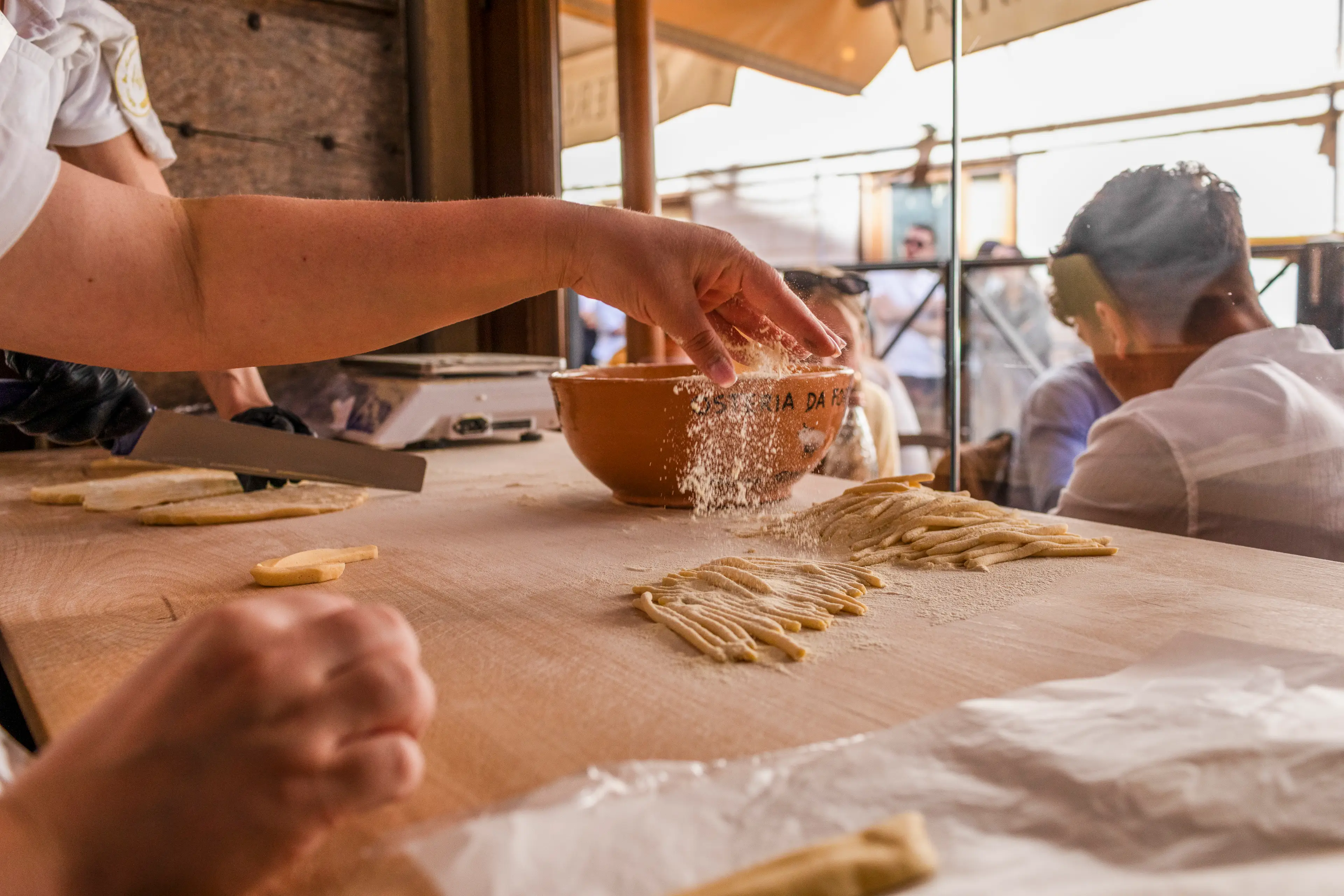
She told The Washington Post that the method of getting tourists through the door is 'wrong', despite the pasta likely being 'homemade and delicious'.
Katie Parla, echoed Pascarella and Minchilli's remarks, saying that pasta production being visible to customers is a major red flag.
“If you think about it, it’s the most genius marketing tool,” said Parla, who's lived in Rome for the past two decades.
"They are providing staged content for the people. It looks photogenic. It mimics something that people perceive as authentic."
So, there you have it, act with caution if you see any pasta making in a restaurant you're looking to dine in.
Topics: Travel, Food and Drink
 Callum Jones