
Erling Haaland fans urged not to copy his 6,000-calorie 'Viking diet' as expert warns of serious illnesses

Erling Haaland's 6,000-calorie-a-day food intake has turned heads, but a nutritionist has warned that anyone tempted to copy the soccer player's 'Viking diet' could be putting themselves at serious risk.
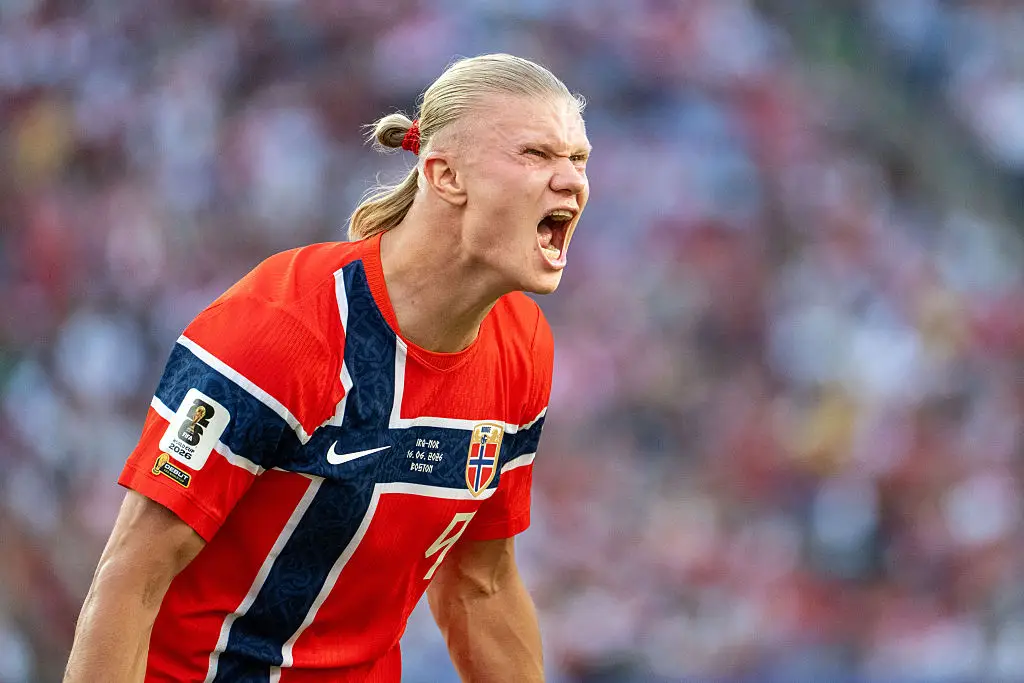
The 6′5″ Norwegian player has seriously rocked the World Cup, helping his country reach their first-ever quarter-final before a 2-1 defeat to England in Miami on Saturday (July 11).
Fans love the striker for everything from his ruthless goalscoring ability to his social media antics, but one detail that has gone truly viral during the tournament is the player's 'Viking diet'.
Haaland revealed that he aims to eat around 6,000 calories a day to fuel his intense training program, and noted that he could consume eggs, red meat, raw milk, bone marrow, yogurt and more during a typical day in the life.
Advert
But a nutritionist has highlighted the dangers of someone trying to replicate the diet without being fully informed.
Nichola Ludlam-Raine, author of How Not to Eat Ultra-Processed, warned: "The biggest mistake is forgetting that these diets are designed for one individual with a unique body size, training schedule, genetics and performance goals.
"What works for a Premier League soccer player training for several hours a day is unlikely to be appropriate for someone exercising a few times a week after work."

She further noted that specifics in his diet, such as the raw milk, could come with their own dangerous consequences.
"There are also concerns around consuming raw milk, which can carry harmful bacteria such as E. coli, Salmonella and Listeria," the dietician said.
"And while bone marrow can be enjoyed occasionally, it's also very high in fat and isn't essential for good health or athletic performance."
E. coli, Salmonella, and Listeria are harmful bacteria that can contaminate food and cause food poisoning, according to foodsafety.gov.
They can lead to symptoms such as stomach cramps, diarrhoea, vomiting, and fever, while severe cases may result in serious illness, especially in vulnerable people.
But Nichola noted that Haaland's energy needs are 'dramatically higher' than the average adult, and pressed that replicating a 6,000 calorie diet could lead to significant weight gain.
She added: "More calories aren't always better.
"In fact, consistently eating well beyond your requirements can lead to unnecessary fat gain, gastrointestinal discomfort and may even impair performance if it affects body composition or movement."
The nutritionist further claimed that social media doesn't do a great job of showing the 'full picture', with soccer players often experiencing 'personalized nutrition support from sports dieticians, chefs, strength coaches and medical teams'.
She advised: "Rather than copying an elite athlete's exact diet, it's far more helpful to adopt the principles: eat enough to fuel your activity, prioritize protein, include plenty of fruit, vegetables and wholegrains, stay hydrated and build a pattern of eating that's realistic and sustainable for your own lifestyle."
Topics: Celebrity, World Cup, Football, Food and Drink, Weight loss
 Mia Williams