Experts reveal the everyday objects you should wash your hands after touching

Most of us wash our hands after using the bathroom or before eating, but experts have warned that some of the 'germiest' surfaces we touch every day are ones we barely think twice about.
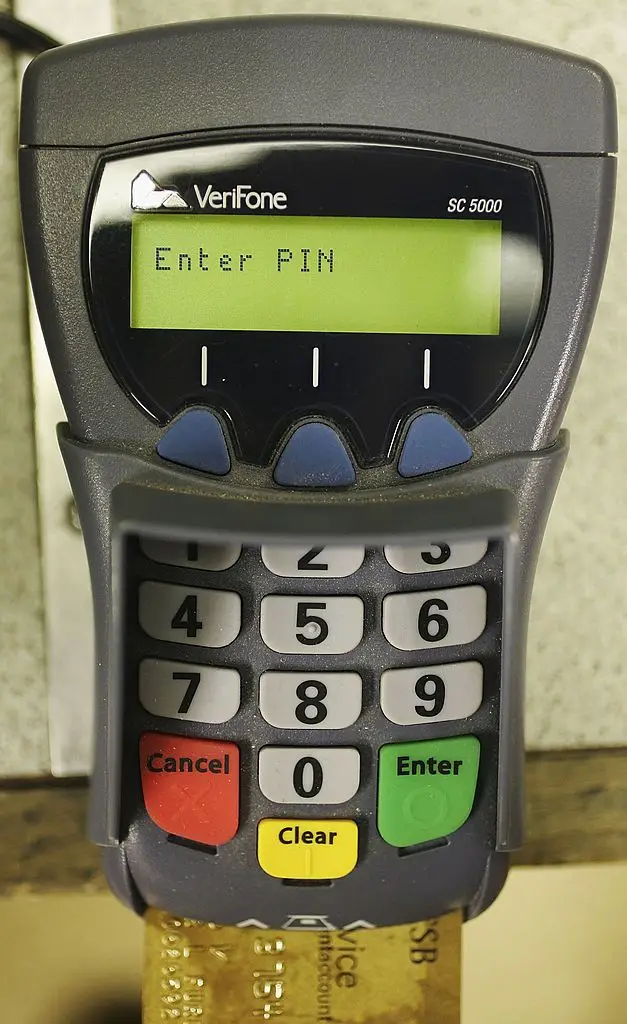
According to health experts speaking to HuffPost, the payment pin pads found in shops, supermarkets and coffee shops are among the biggest culprits when it comes to spreading illness, thanks to the sheer number of hands that touch them every single day.
Microbiologist Jason Tetro, known as 'The Germ Guy', said that the physical act of entering a PIN is exactly why these pads are such effective germ carriers.
Why are pin pads such a big risk for spreading germs?
"In order for you to get the pin number inputted, you have to put pressure, and the pressure is enough to really leave behind a large amount of microbes from your hand," Tetro said.
Advert
He added that with so many people using the same machine throughout the day, "there's such a high turnover that anybody who may not have washed their hands or washed their hands properly" ends up leaving germs behind for the next customer.
Tetro pointed to flu and COVID viruses as key risks, along with salmonella if a shopper had recently handled raw meat before tapping in their PIN. Because the surface demands focused, repeated pressure from thousands of different hands, he said it presents "the greatest threat for transmitting any kind of pathogen".
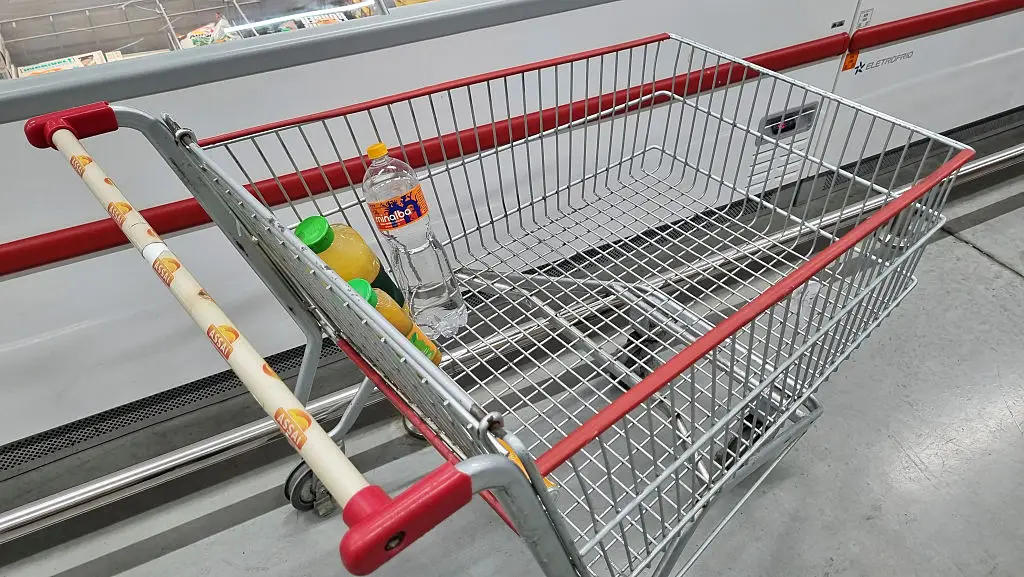
Pin pads weren't the only offender named by experts. Grocery trolley handles were flagged by both Tetro and gastroenterologist Dr Supriya Rao as a surface people rarely consider, largely because shoppers are focused on their food rather than what they're gripping.
"It is the one thing that people will overlook more than anything else, because they don't think about it, because they're too focused on purchasing" food, Tetro said, adding that the handle can easily leave someone with "a sore throat, or maybe a cold" if germs go unwashed.
The third item on the list is one most people carry everywhere they go, their phone.
How often should you clean your phone to avoid getting sick?
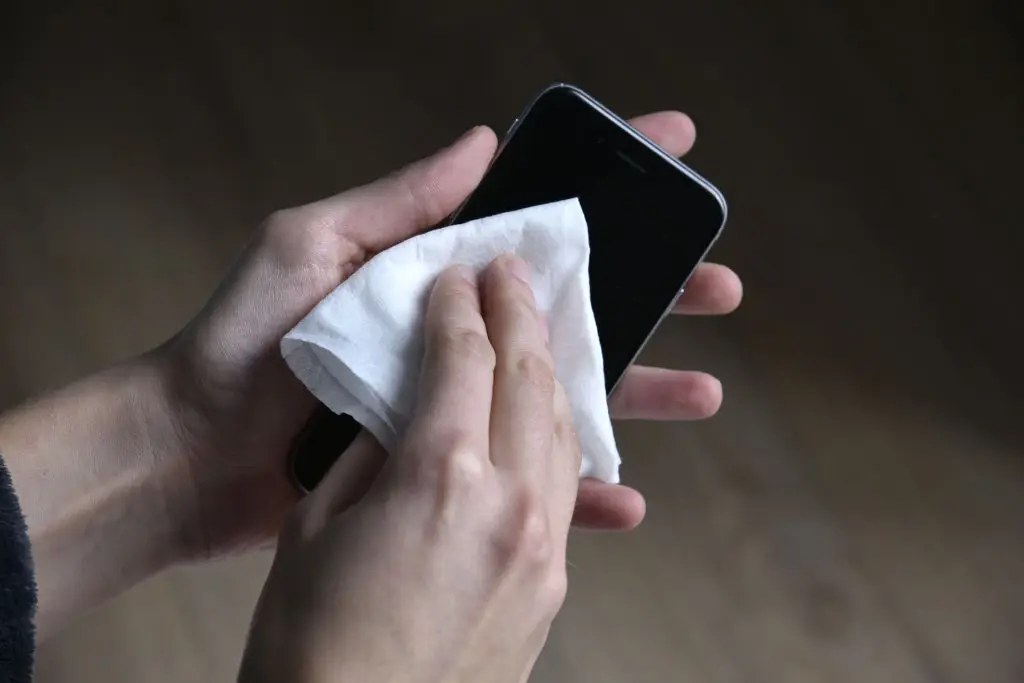
Dr Rao said phones pick up bacteria and viruses from virtually every environment a person visits in a day. "You take it everywhere with you - the grocery store, the bathroom, the airplane, the gym. It's always with you. And how often do you actually clean it?" she said.
She recommended sanitising hands before using a phone and cleaning the device itself 'several times a week' to cut down on the risk of infection.
For anyone without immediate access to soap and water, Tetro said hand sanitiser can be just as effective, but only if used correctly.
He explained that ethanol-based sanitisers need time to work, and hands should stay damp for around 15 seconds after application rather than being rubbed dry in a few seconds, as many people do.
Tetro said that when people can't work out how they picked up a cold, the answer is often hiding in plain sight.
"Did you use a pin pad? Did you touch your face after you touched the pin pad?" he said.
Well then, now you know!
 Thomas Bamford