Expert warns there's a GLP-1 side effect that flies under the radar

There have been many reported side effects of GLP-1 drugs following the rise in usage - and now, an expert says there’s one that’s ‘going under the radar.'
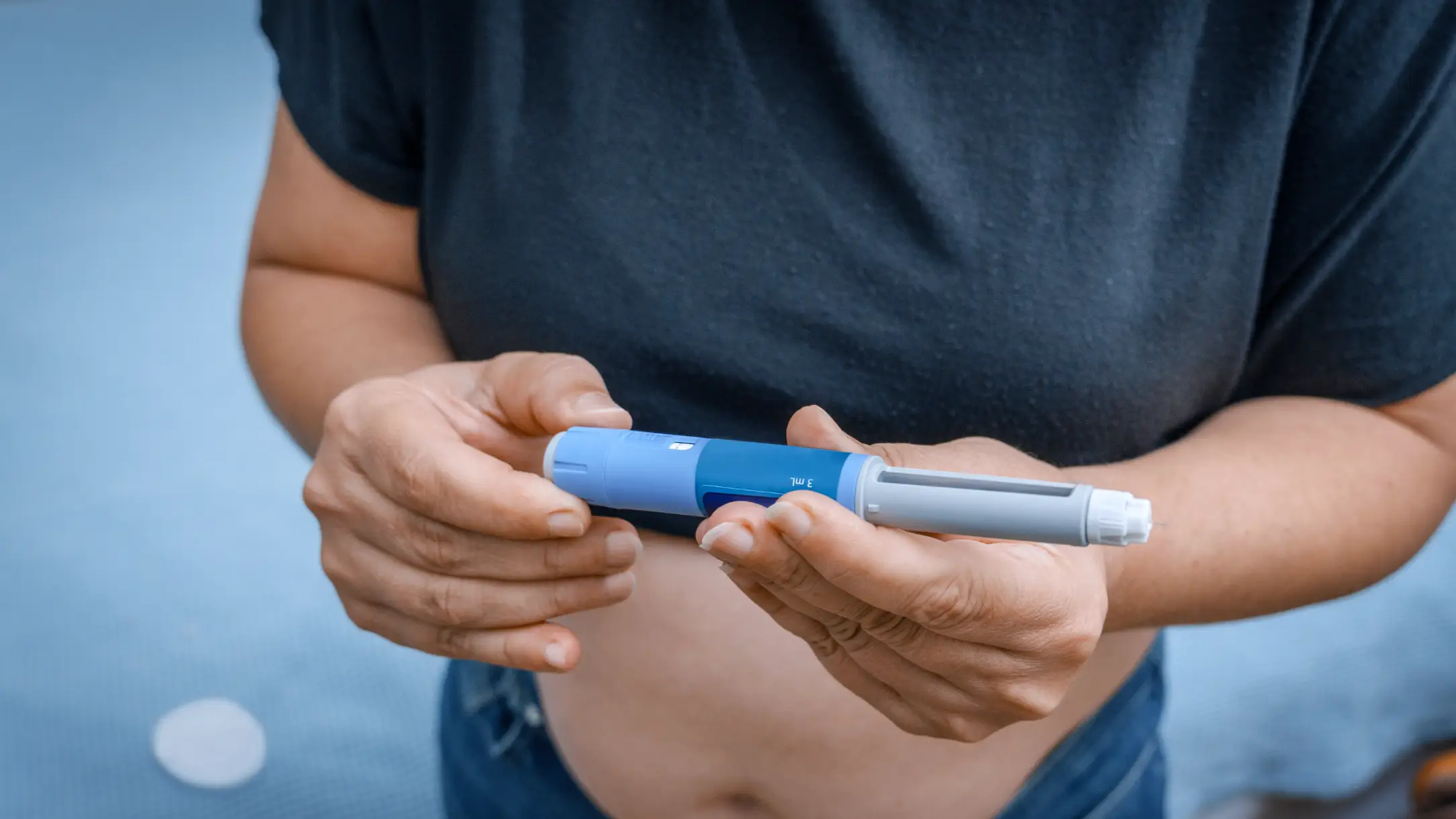
GPL-1 drugs, such as Ozempic and Monjaro, are drugs intended to be used by people with type two diabetes to help lower their blood sugar levels, although many have adopted it to aid weight loss.
With any medication, everyone’s bodies react differently, but some users have reported noticing a bad smell in their breath, dubbed as 'Ozempic breath.'
Others users have also spoken about ‘Ozempic butt’ in which they say their butt ‘kills them’ after sitting down for long periods of time.
Advert
Known side effects include gastrointestinal issues including nausea, vomiting, diarrhea, and constipation, which are particularly prevalent when increasing the dose or starting the medication.

Now, another has come to light, despite trying to hide in the shadows - nutrient deficiency.
The drugs suppress your appetite and significantly slow digestion, by mimicking a natural fullness hormone. However, experts have now expressed their concerns with nutrient deficiency.
A study undertaken by Cleveland Clinic of 460,000 people on GPL-1 drugs showed that nearly 1 in 5 developed a nutrient deficiency within a year, with many unaware.
BBC Science Focus reports that a similar study that took place in Mexico saw that ‘13.6 per cent developed a significant vitamin D deficiency within a year of starting the drugs.’
Plus, it was found that out of these 480,000 participants, 60% were not getting enough calcium or iron in their diet, as well as protein and fibres.
However, it’s hard for users to even realize this, with most people not monitoring their nutritional intake.

Speaking on the ‘issue’ to BBC Science Focus, Dr Steven Heymsfield – director of the Metabolism and Body Composition Laboratory at Louisiana State University says: “Obesity is a chronic disease and it should be managed like one,” he says. “If your doctor prescribes these drugs for you, that doctor should assess you with nutrient blood tests – just like they do for other diseases.”
Micronutrients, including magnesium, potassium, and vitamins A, C, D and E, are also lacking in some users, research shows.
It’s not just those taking the medication however, as experts say deficiencies including vitamin D, calcium and iron are mirrored with the general population.
Professor Giles Yeo, a neuroendocrinology and obesity expert at the University of Cambridge, tells the publication that many of those on the drugs ‘may not have had great diets to start with’. Therefore, without any behavioral changes, it’s just ‘less of a not so great diet.'
Plus, those who are experiencing side effects such as diarrhoea, will lose nutrients that way, experts say.
However, expert Yeo says the drugs ‘are powerful tools’ and they don’t want to ‘scaremonger.' However, experts want users to 'watch out for the micronutrients which are common deficiencies' - which will be heightened when people are consuming less food, he states.
Topics: Ozempic, Weight loss, Health, Food and Drink, Drugs
 Kiesha Dosanjh