Doctors reveal how to avoid 'Ozempic breath' as side effect boosts sales of mint and gum

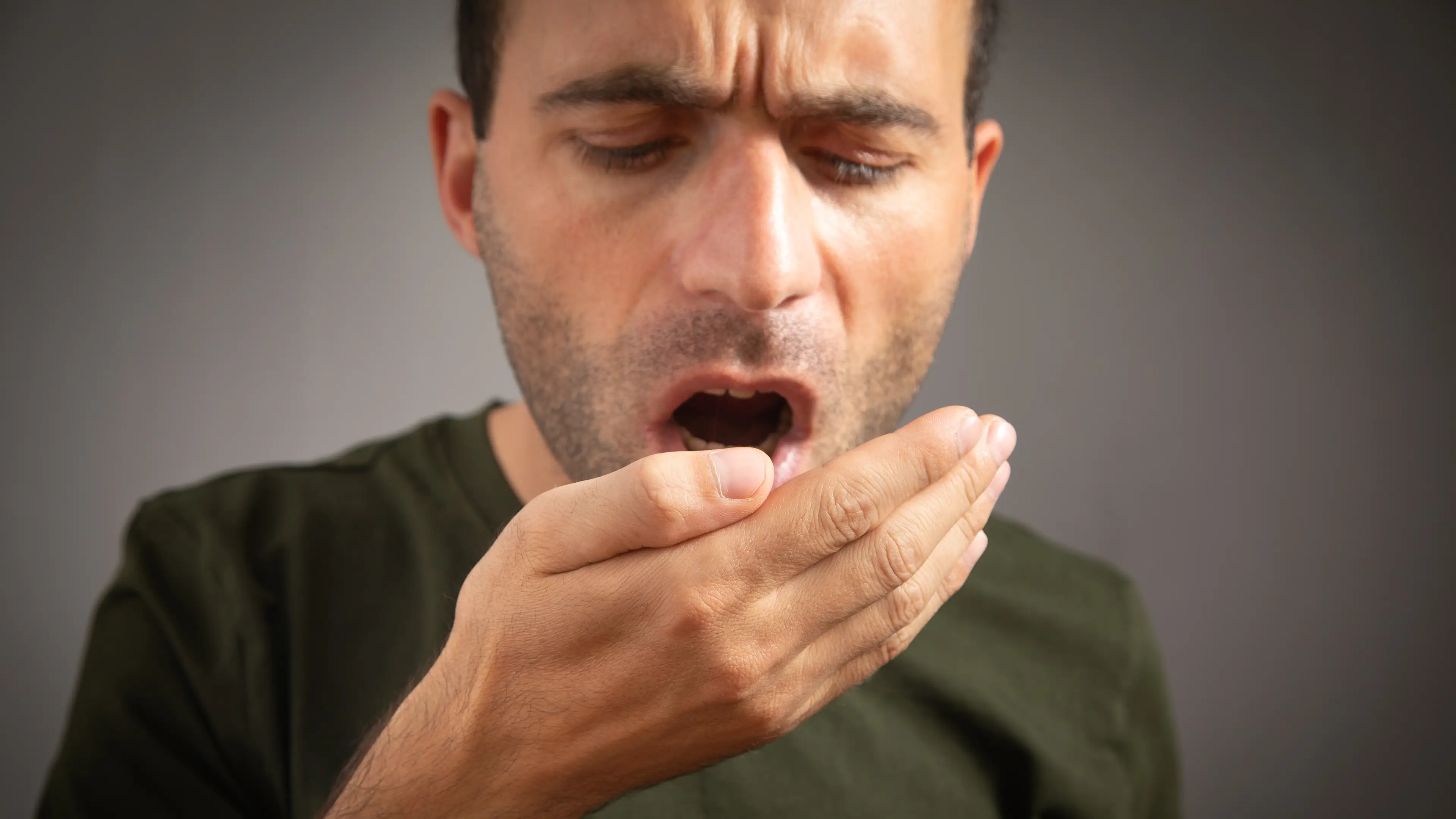
Although those taking Ozempic may be eating less food, they’re consuming more mint and gum, and it’s all down to ‘Ozempic breath’.
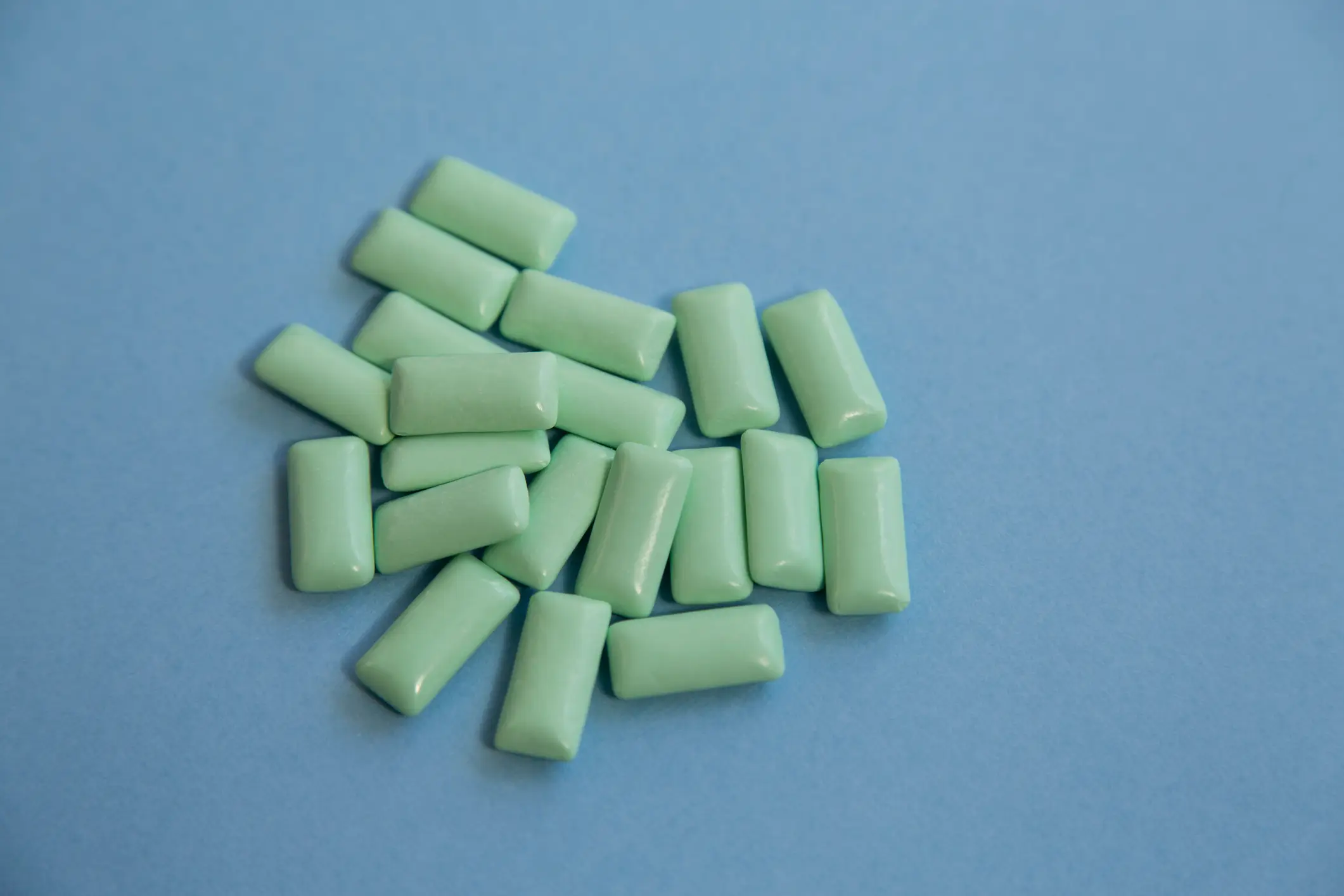
The rise in gum and mint sales since the rise in popularity of GLP-1 drugs has been confirmed by Hershey Co. chief executive Officer Kirk Tanner.
As well as the delicious chocolate, Hershey Co. also own mints, Ice Breakers. The boss confirmed that retail sales of the line grew a modest 8 percent in the last quarter.
“We’ve also seen strong demand for gum and mint products as the category benefits from functional snacking tailwinds, including GLP-1 adoption,” he said.
Advert
But what exactly is Ozempic breath, and how can it be treated?
What is Ozempic breath and why does it happen?
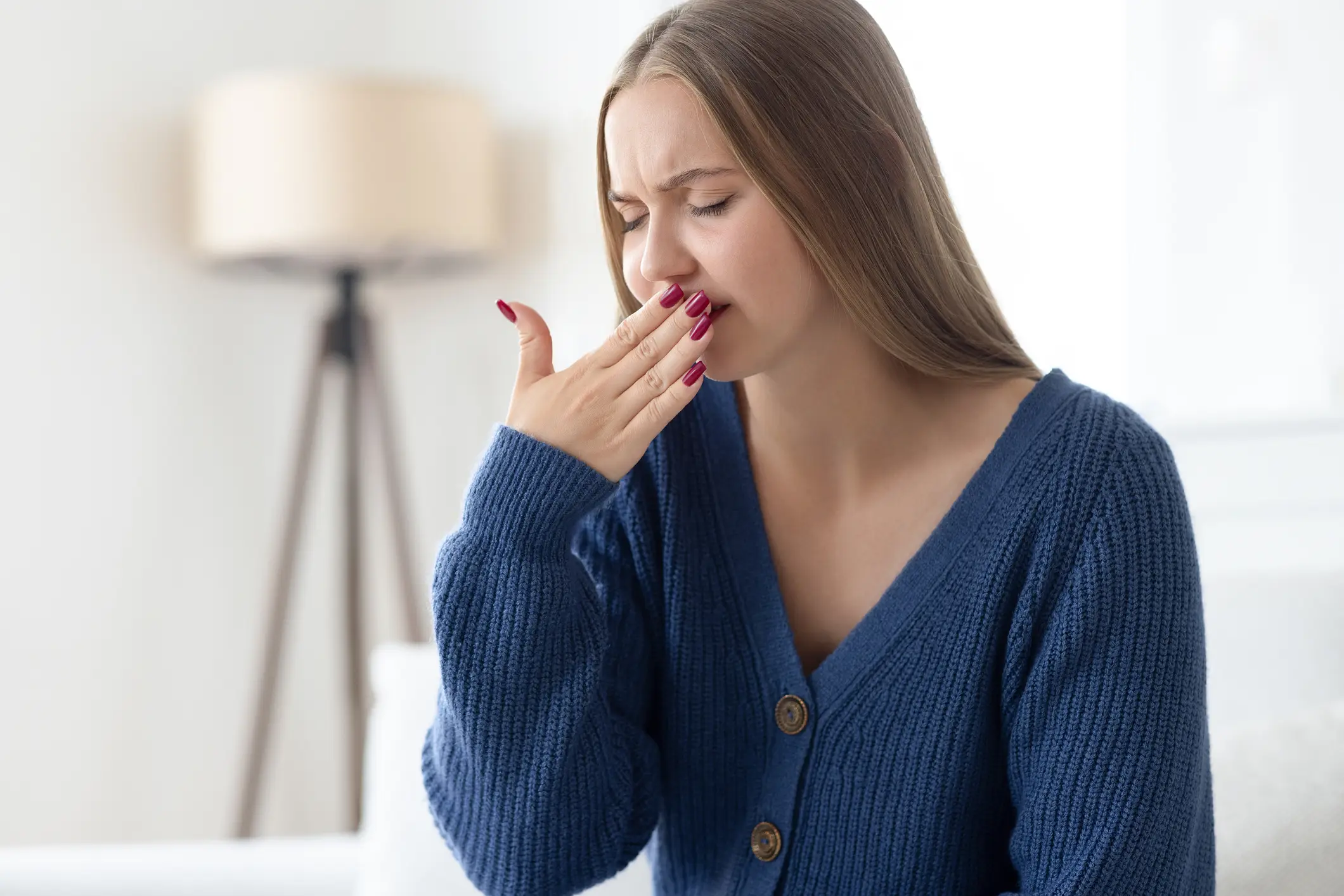
Although not a clinical diagnosis, many using the drug have reported bad smelling breath and burps as an unpleasant side effect. It’s commonly been reported as smelling like rotten eggs or fish, and leaving users with a metallic taste in their mouths.
Users of other medications containing semaglutide have reported it, although it’s not listed as a side effect for Ozempic, Wegovy, Monjouro, or Zepbound.
Christopher McGowan, MD, a gastroenterologist, obesity medicine specialist and founder of True You Weight Loss said that the unpleasant smell 'is a direct result of the mechanism of action of GLP-1 medications,' as per Healthline.
“All drugs within this medication class lead to a delay in gastric emptying, which means it takes significantly longer for food to exit the stomach,” he said.
Usually, the stomach breaks down food in a matter of hours, although GLP-1 medications cause food to remain in the stomach for hours, or days.
“At that point, your stomach is functionally a compost bin, and if you burp, it won’t be pleasant,” Christopher added.
Semaglutide users also commonly experience dry mouth due to dehydration or loss of saliva - another culprit for bad breath.
How to avoid Ozempic breath
Fortunately, there are ways to manage the unpleasant smells.
Speaking to the Daily Mail, Dr Blanka Orloff listed a number of ways those struggling with the unpleasant side effect can manage it.
Sharing her advice with the publication, Dr Orloff recommends: "Improving flossing, brushing, using mouthwash, using gum and mints with xylitol, which naturally produces more saliva, also helps.”
She also recommends improving fluid intake, as well as ‘eating smaller, more frequent meals,’ so that there is ‘less food in the stomach to ferment’.
It’s also been advised to have a final meal no later than 3 hours before going to bed, so there are less food particles in the mouth overnight.
So there you have it!
Ozempic is a drug intended to be used by people with type two diabetes to help lower their blood sugar levels, although many have adopted it to aid weight loss.
Creators of Ozempic, Novo Nordisk said: "At Novo Nordisk we care deeply about patient safety. Like all medicines, treatments used for chronic conditions can have side effects, and these can vary from person to person. That is why medicines are prescribed by healthcare professionals, who consider the potential benefits and risks for each individual.
"In the UK we work closely with the Government medicines regulator, the MHRA, to share details of the safety reports we receive and to ensure that side effects are accurately reflected in the approved information for our medicines. When considering the totality of evidence from our clinical trials, post marketing reports and observational studies, we believe the benefit–risk profile of semaglutide remains favourable when used as indicated.
"Anyone with concerns about side effects, or about whether a medicine is right for them, should speak to their doctor, nurse or pharmacist, who can provide personalised medical advice and support. We would also encourage anyone who believes they are experiencing side effects to report them to their healthcare professional and via the MHRA Yellow Card Scheme."
Topics: Ozempic, Weight loss, Health
 Kiesha Dosanjh