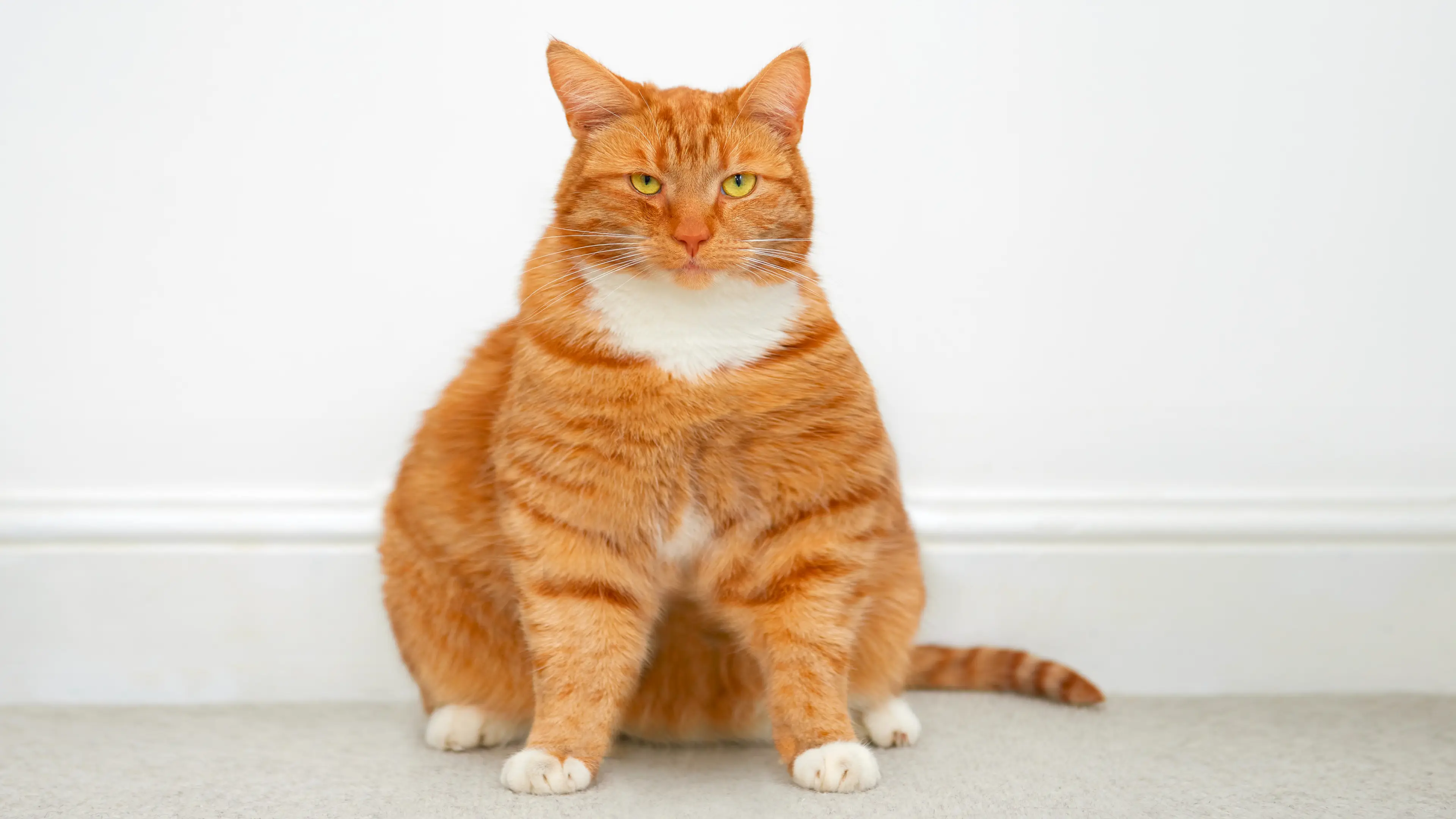
Revolutionary Ozempic-like drug for cats underway as first overweight pet is dosed with weight-loss injection

Helping your cat to lose weight is never easy, as those clever felines know only too well how to sneak a treat when you are not looking, or emotionally blackmail you with cuteness into giving up on a strict weight-management plan.
But this struggle could soon be a thing of the past, with an 'Ozempic-like' GLP-1 drug currently being trialled for overweight cats who are finding it hard to shed the excess pounds.
Unlike human-approved weight loss drugs - such as Mounjaro, which are injected at regular intervals - this 'MEOW-1' dose is administered through a long-lasting implant, OKV-119, that releases the drug over the course of six months.
More than half of the world's cats are believed to be overweight, with many owners letting their four-legged friends 'free feed' throughout the day... In part because they'll moan and meow until you satisfy their hunger anyway.
Advert
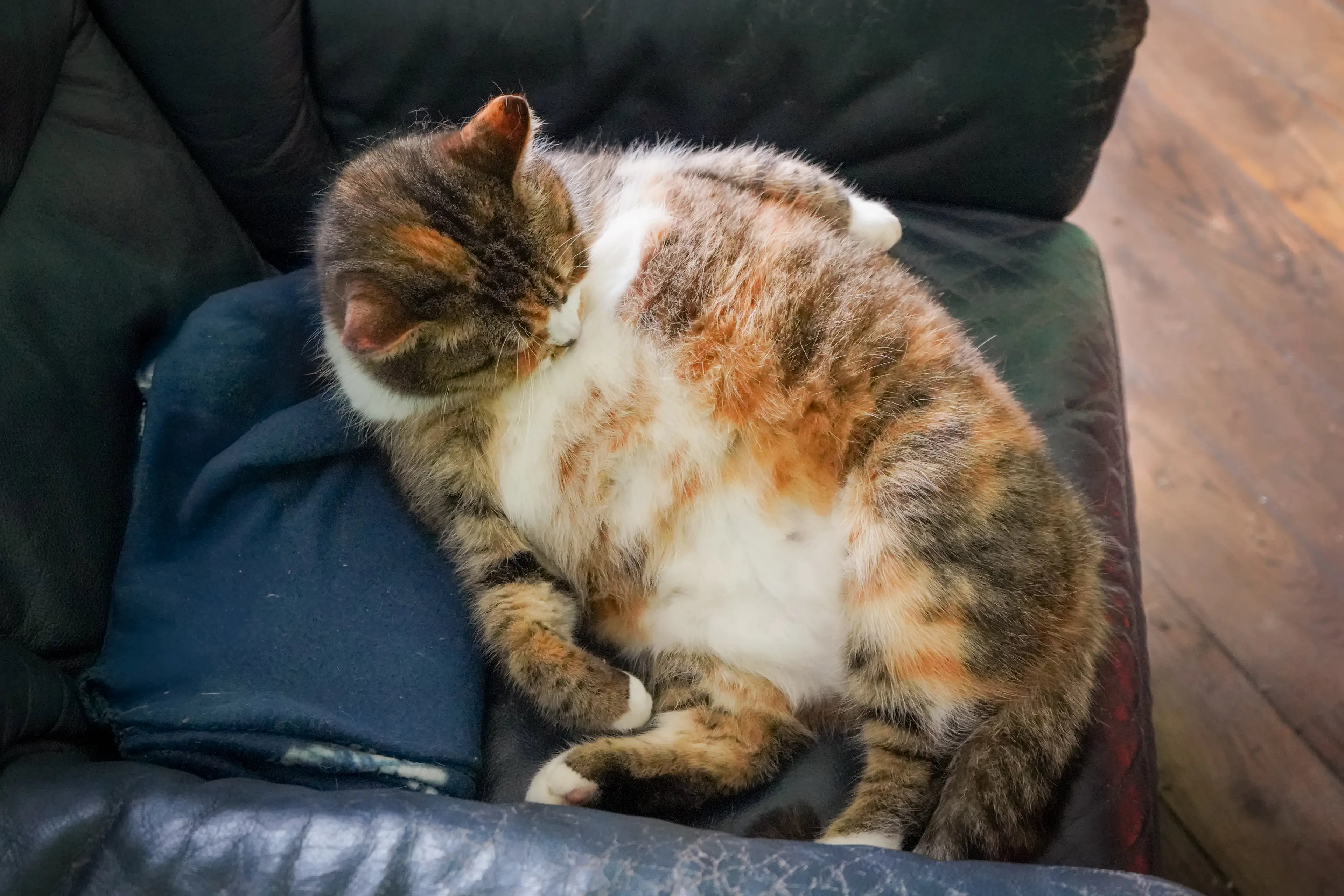
"Caloric restriction, or fasting, is one of the most well-established interventions for extending lifespan and improving metabolic health in cats, but it's also one of the hardest to maintain," OKAVA CEO Michael Klotsman said.
This weight loss medication is now undergoing the first phases of its trial, with fat or chunky cats already being administered MEOW-1, which stands for 'ManagEment of Over Weight cats'.
The firm behind this first-of-its-kind treatment, San Francisco-based OKAVA Pharmaceuticals, has said its treatment could have a 'profound' effect on the health of felines everywhere, expanding both their quality and length of life.
Common conditions like diabetes, arthritis, and kidney disease, as well as age-related issues, can all be tackled by this weight-losing drug, which has already shown how effective it can be in humans, with around one in 10 Americans having already tried a GLP-1 medication.
Just like these human weight loss medications, OKAVA's innovative pet treatment is a GLP-1 receptor agonist, which means that it makes your body produce insulin, better regulates blood sugar, and makes you feel full sooner.
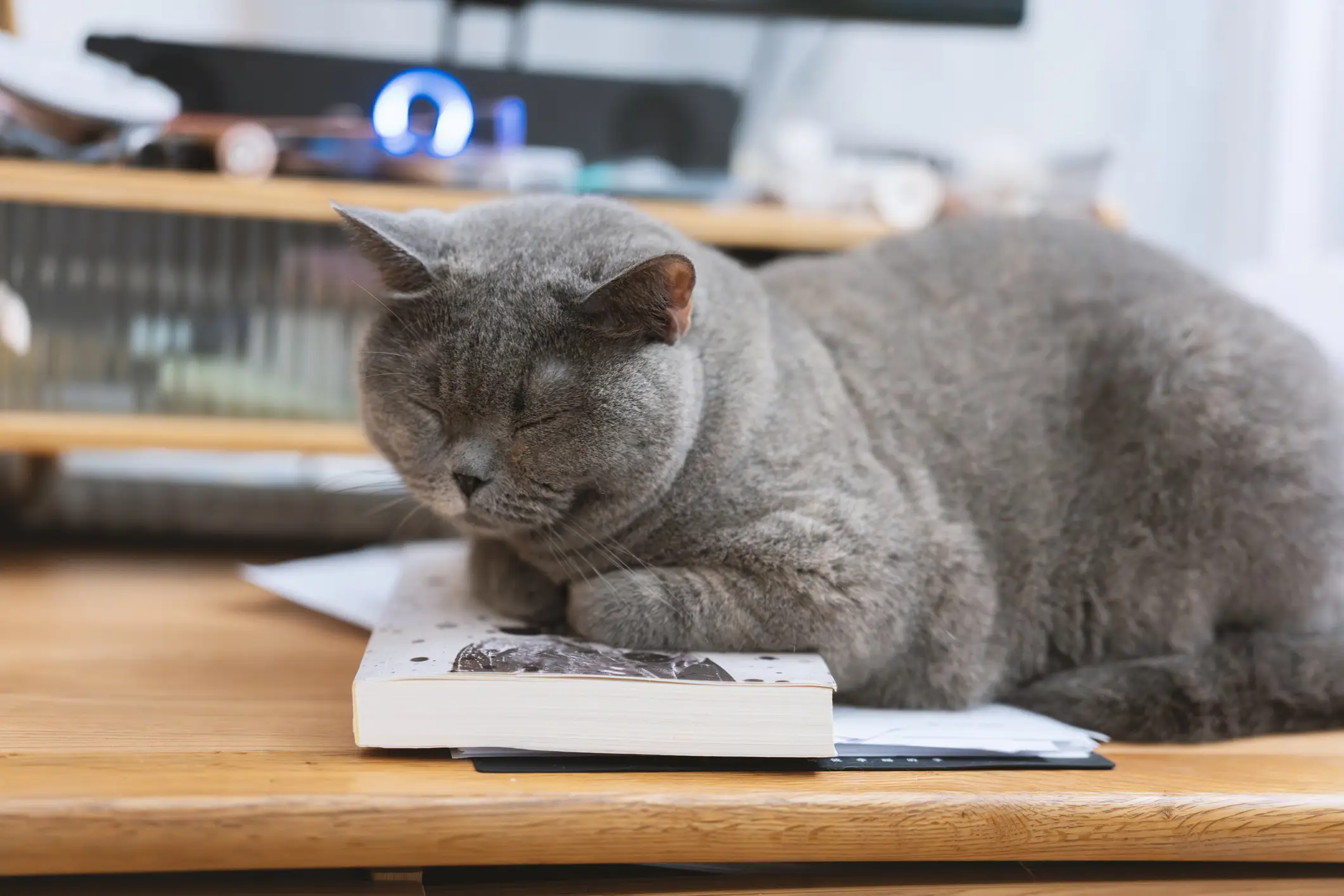
Once MEOW-1 has made it through clinical trials, it will then be made available for the general public, with cats able to receive a six-month dose from just one trip to the vets, thanks to the slow-release implant OKV-119.
The OKAVA CEO added: “OKV-119 is designed to mimic many of the physiological effects of fasting — improved insulin sensitivity, reduced fat mass, and more efficient energy metabolism — without requiring significant changes in feeding routines or disruption of the human-animal bond that often centers around food.”
But there may be some wait before you can turn your cat into an 'Ozempet', as the trial will take another 12 weeks and the results will have to be collated and analyzed before the FDA's Center for Veterinary Medicine can approve it.
In the meantime, you might just have to learn how to say no to your furry friend and find ways to reduce their intake, such as hiding their kibble bowl outside of mealtimes.
Topics: Cats, Ozempic, Weight loss, Health
 William Morgan