
Experts warn people on weight loss jabs are making costly mistake that sabotages success

If you're not getting the results you'd hoped for on weight loss medication (or in general) then there could be a key element that you've been neglecting that's stopping you from reaching your goals.
Apparently 45 percent Brits are currently trying to lose weight, while 52 percent of Americans are trying to shift a few pounds as well.
In data put together by Gallup last year, it was found that four in 10 people in the States described themselves as overweight.
"The largest segment of Americans, between 48 percent and 60 percent, has consistently said their weight is about right, while 34 percent to 44 percent have reported that they are overweight and just 4 percent to 8 percent have said they are underweight," the findings suggested.
Advert
As a large proportion of people felt they were overweight, many have been trying to become slimmer — and millions of people are turning to GLP-1s to do so.
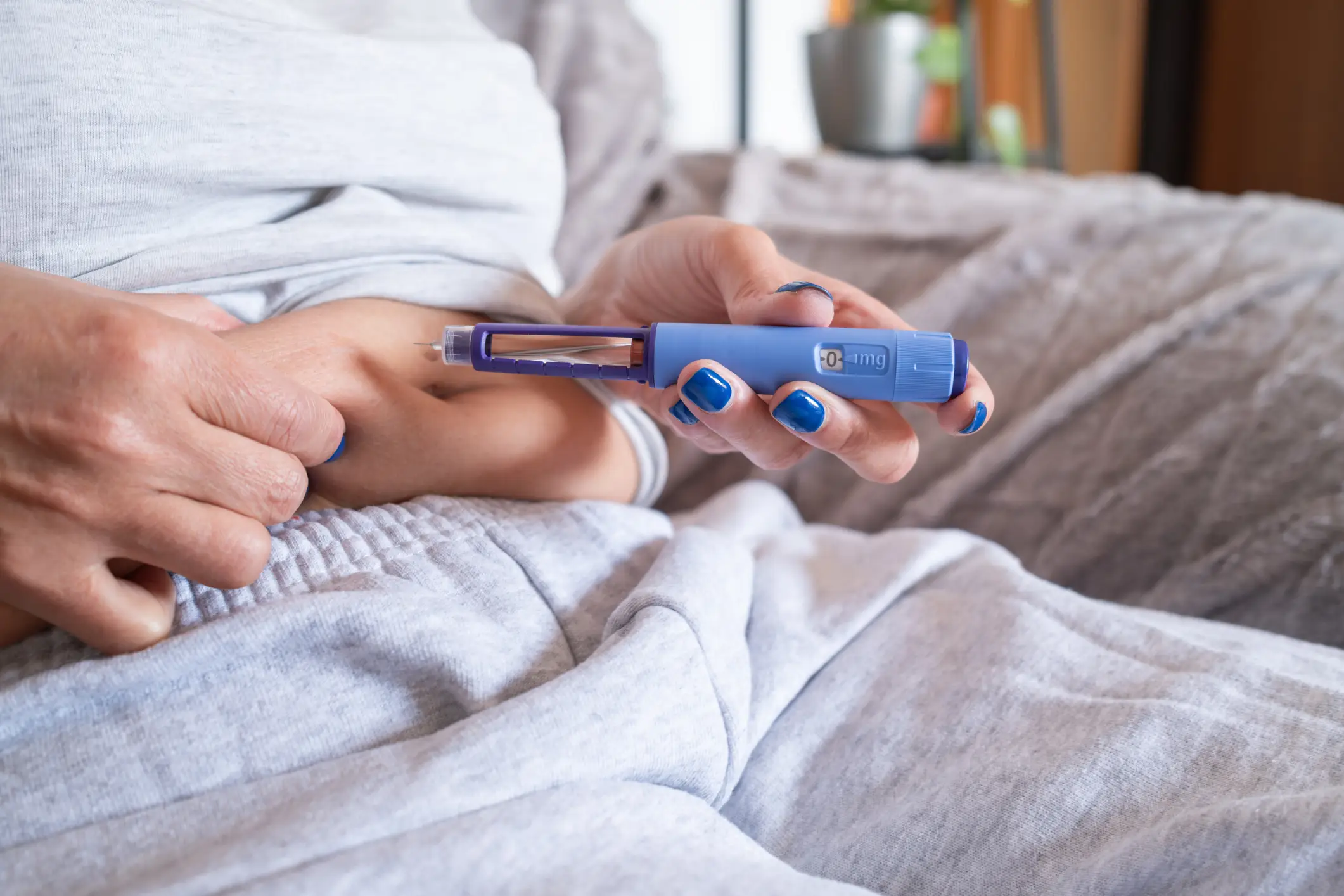
But, there's a key element that people are neglecting when it comes to weight loss in regards to both 'natural' weight loss processes and GLP-1s.
What is that thing I hear you ask? Sleep, my friends.
Explaining why it's key to weight loss success, James Leinhardt, a leading sleep expert who has worked for the NHS for years, shared: "Sleep influences weight loss in three key ways: by increasing hunger and cravings, disrupting hormonal balance, and impairing decision-making.
"While these effects may appear well understood, failing to prioritise sleep quality, not just duration, can lead to impulsive behaviours that ultimately derail any attempt at a weight loss plan.
"One of the most significant, yet often overlooked, impacts of sleep on weight loss is hormonal imbalance. Its effects may not be immediately noticeable (or even visible), but when sleep quality is compromised, levels of Ghrelin, the hormone that signals hunger, increases, while Leptin, the hormone responsible for signalling fullness, decreases."

He added that this hormone imbalance can make the body think it's hungry when it's not, making it much harder to manage portion sizes or resist cravings.
Discussing sleep and it being beneficial for those on GLP-1s specifically, Peter Thnoia, Superintendent Pharmacist at weight loss pharmacy PillTime, said: "Sleep plays a far bigger role in the impact of weight loss injections than many people realise. Poor sleep disrupts appetite and metabolic hormones, increases cravings and fatigue — all of which are symptoms that weight loss treatments try to suppress.
"Not only can lack of sleep worsen common side effects such as nausea, but it can have an impact in how successful an individual may feel their treatment is going, if they’re feeling less energised and still suffering from strong hunger pangs.
"While weight loss injections can reduce hunger, they don’t override the body’s need for rest. Without good-quality sleep, people may see slower progress, reduced fat loss and a greater risk of losing muscle rather than weight. Supporting sleep alongside treatment is key to achieving safe, sustainable results."
Basically, if you're going to do anything this weekend — rest!
Topics: Weight loss, Sleep, Health, News
 Niamh Shackleton