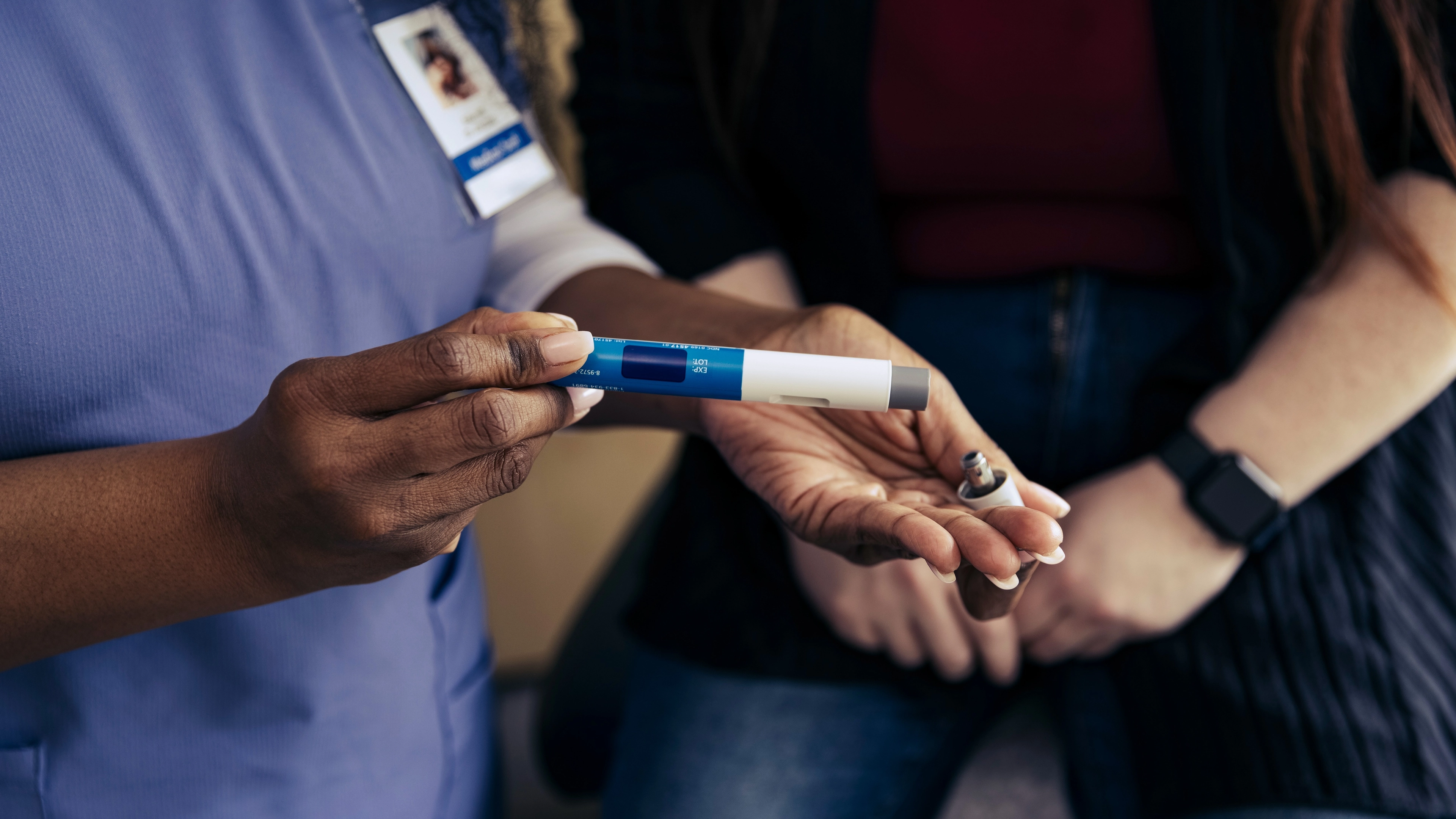
New study reveals the groups most likely to use weight loss injections

A new study has examined the groups of people who are most likely to use weight loss injections.
GLP-1 medications have seen an explosion in popularity in recent months.
Originally the drugs were licensed for the treatment of diabetes, as they work by lowering the levels of blood sugar.
However, another effect of the medication is that it can work as an appetite suppressant, making someone feel more full from the same amount of food.
Advert
When combined with a healthy diet and regular exercise, this means that the medication can be a great help for someone who is trying to lose weight.
And a new study has now revealed the cohorts of people who are using this new medication the most, and it might not be who you would expect.
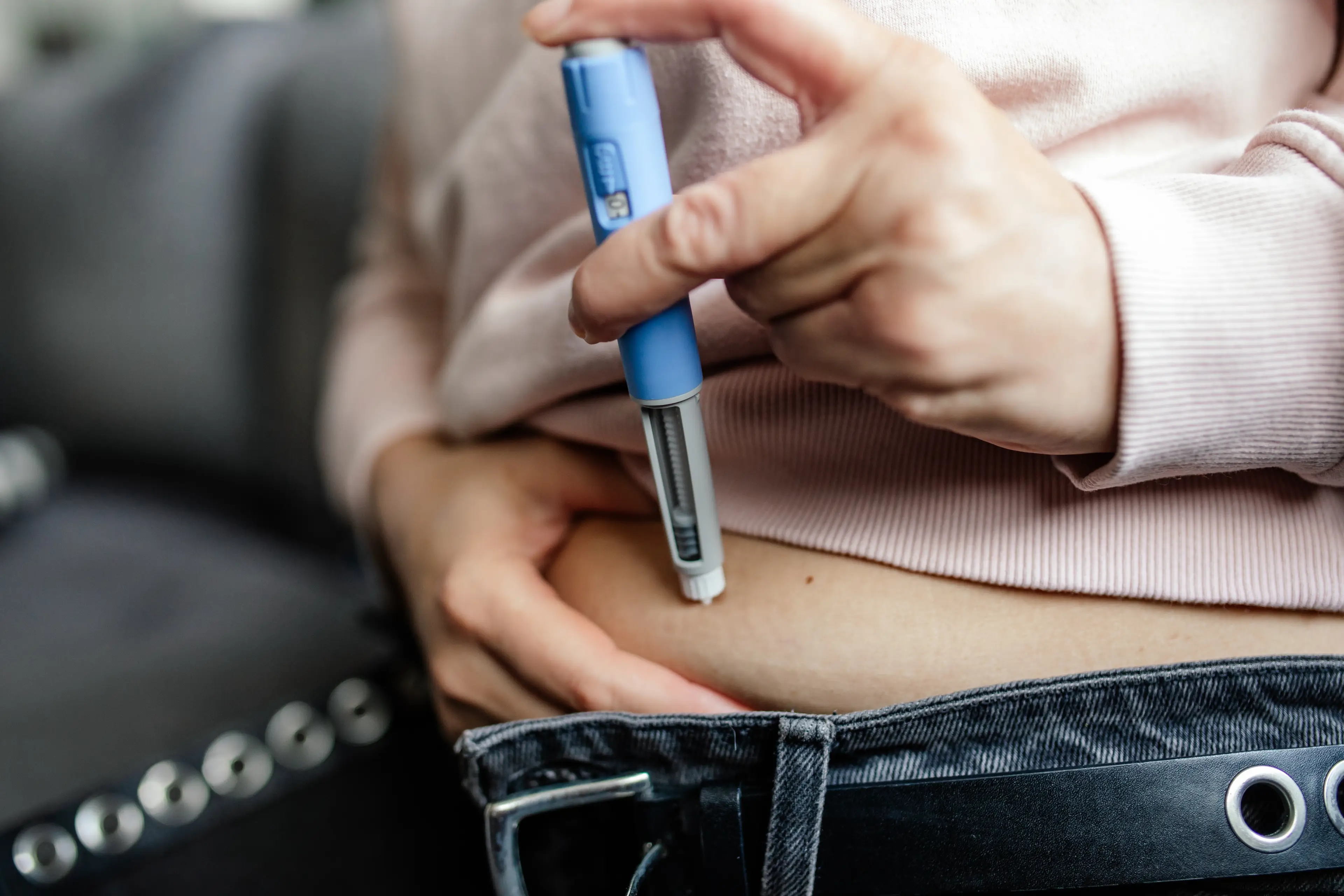
This is that the people who are most likely to use the drug for weight loss actually come from a demographic which has lower levels of obesity, according to the research.
That's because it's people from more affluent backgrounds who are more likely to be using GLP-1 medication to lose weight, even though people from wealthier background have a lower incidence of obesity.
So that means that the people who may benefit more from the medication don't have access to it as much.
Samantha Field is a senior fellow in prevention at the Health Foundation, and co-authored the research.
She said: “The groups bearing the greatest burden of obesity are seeking GLP-1 treatments less frequently, and often at higher BMIs."
People from less affluent regions were around a third less likely to be on the jabs even though rates of obesity were around twice as high compared to affluent areas.

Field added: “The NHS [National Health Service] should be taking these findings into account as the rollout of these medications progresses, to ensure they are reaching the people who are most in need of them.
“Ensuring fair public provision is essential, but these medications address a problem that is preventable.
“It’s more important than ever that government retains focus on making the changes to our food environment that will prevent obesity occurring in the first place.”
But how else do the demographics for the medication break down?
The research found that nearly 80 percent of prescriptions for the medication had been given to women.
In terms of age group, people who are aged between 30 and 49 were the age group with the highest likelihood of using the medication, but this declined steeply after 60 years old.
 Kit Roberts