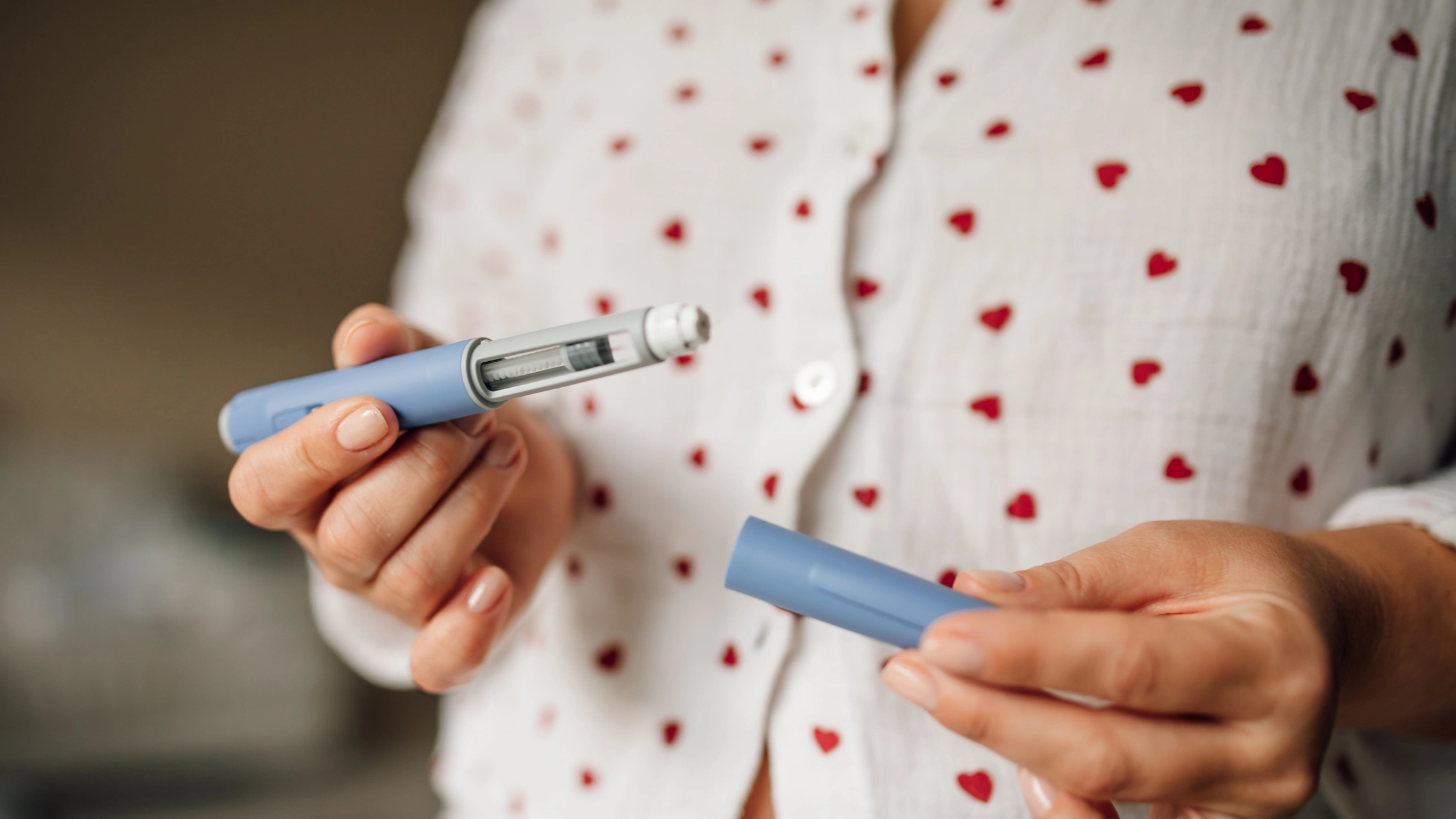
Health expert reveals the seven most common weight loss injection mistakes and how to avoid them

A health expert has warned of seven common mistakes made by people using weight loss medication as they continue to grow in popularity.
GLP-1 drugs have helped millions lose weight over the past year but health professionals have been keen to emphasize that these medications are not a quick fix.
Committing to a healthy diet and regular exercise is still recommended, even if you are taking weight loss medication like Mounjaro or Ozempic.
While there's been plenty of advice shared online, there's still some key mistakes many GLP-1 users are making.
Advert
These common errors are easily avoidable but could be stalling progress for many.
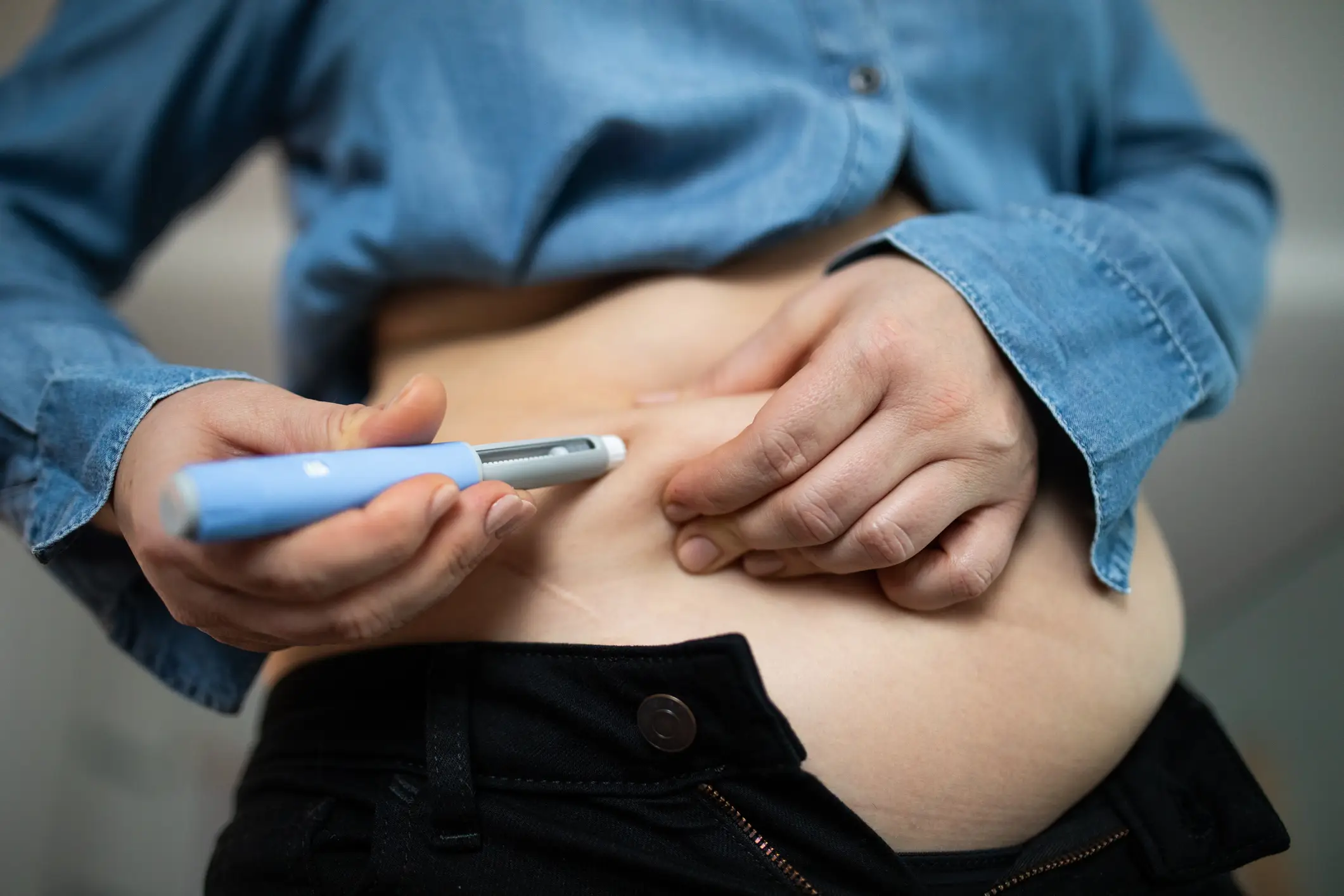
Eating habits
When embarking on a weight loss journey with the help of GLP-1 drugs, it is likely that your usual routine will be disrupted.
You may be used to having your breakfast at a specific time but after taking medication, realize you're not hungry around that time anymore.
Rather than sticking to your usual routine, it can be more beneficial to listen to your hunger cues and make small changes to your eating habits if needed.
Alistair Murray, CEO and weight-loss specialist at Phlo, told The Independent: "That moment when you realize your hunger has quietened is a real opportunity. It’s the point where you can stop and ask yourself: Am I eating because my body needs it, or because this is what I’ve always done? For many people, that’s the first time they’ve ever had that pause.
“We often encourage patients to really evaluate their meals. If they were having a very carb-heavy breakfast before, this can be the inflection point where they realize they’re actually satisfied with something smaller and more protein-dense instead."
Rushing the process
It is common for people to want to lose weight for a specific event like a wedding or in a certain timeframe. However, signing up to use weight loss medication with the intention of rushing the process is not advisable.
GLP-1s are not designed for quick fixes as they encourage steady weight loss over a long period of time. It is important to give the medication time to work and to let your body adapt.
"GLP-1s mimic a natural hormone in your body. They help regulate appetite, slow down digestion, and make you feel fuller for longer, which helps you eat less. This causes you to lose weight, but it is a gradual process," according to the Oxford Online Pharmacy.
"It takes time for your body to adjust to its new hunger signals, for you to eat less as a result, and for this to show as measurable weight loss.
"While it’s tempting to wish for fast results, slow weight loss is usually a good sign. It means your body is adjusting in a healthy, sustainable way. Small, steady progress tends to stick, and that’s what this journey is really about. If things are moving slowly, try to see that as a win."
Not prioritising protein
Proper nutrition is vital for any weight loss journey, whether aided by medication or not. It is important to prioritize protein in your meals as well as fibre, and ensure you're staying hydrated.
Health professionals advise aiming to eat 1.2 grams of protein per day per kilogram of body weight, or 0.55 grams of protein per pound of body weight.
“It’s got to be really intentional and nutritious because, if you’re only able to eat 50%, you should make every bite as nutritious as possible – protein, fiber, and hydration is the name of the game," said Shannon Christen, a UCHealth registered dietitian and diabetes educator.
Eating small, nutritious meals throughout the day may prove easier when on weight loss medication due to a decreased appetite.
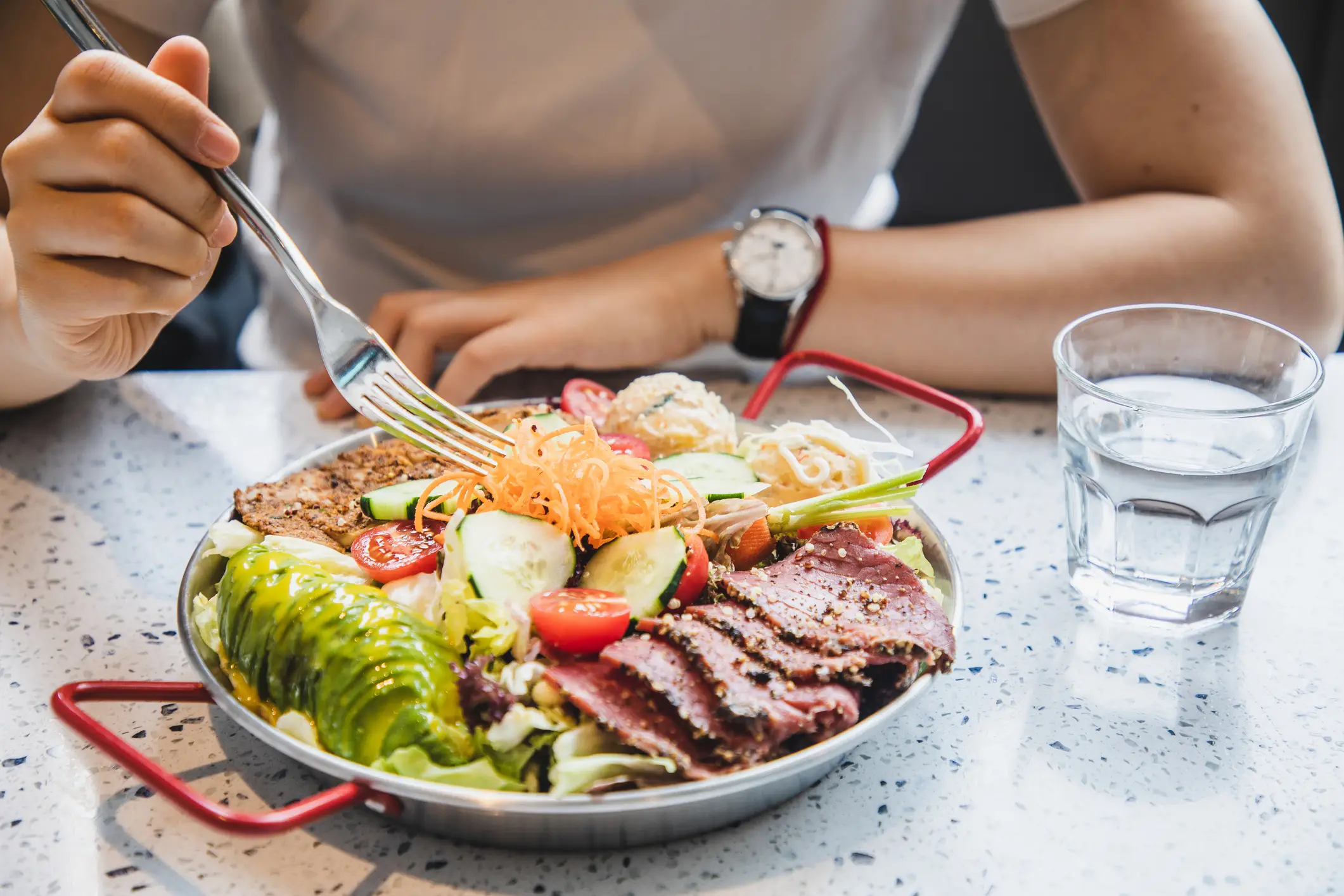
Not enough water and fibre
While protein is important, fibre and water are both significant when maintaining a healthy lifestyle.
Appetite suppression can lead to reduced fibre and water intake, as you are less hungry and forgetting to drink enough. Ensuring you are drinking enough water can help to reduce side effects of weight loss medications, like dizziness and nausea.
"GLP-1s work by slowing the rate that food and fluid leave your stomach. This helps you stay satisfied for longer but can make it harder to take in enough liquid during the day," according to MedicSpot.
"When your body is slightly dehydrated, side effects such as nausea, constipation, headaches, and fatigue can feel worse.
"Hydration supports digestion, circulation, and temperature regulation. It also helps you maintain focus and energy while your calorie intake naturally decreases."
Focusing only on the scale
While the scale is a useful tool to monitor weight loss, it is not the only metric that matters. Focusing on other health indicators can help you to gain an overall picture of your progress and see what's working, or isn't working.
Things like quality of sleep, strength and energy levels are good ways to monitor whether your weight loss journey is moving in the right direction. Healthy weight loss should not leave you feeling exhausted, experiencing muscle loss or poor sleep.
"If you deprive your body of essential nutrients, you may still achieve your weight loss goals, but your weight loss could be unhealthy. And, unhealthy weight loss can lead to health issues and conditions like hair loss, bad skin, and heart disease," Yvonne Mahl, a registered dietitian nutritionist wrote for Nutrisense.

Not eating regularly
Maintaining a consistent routine can be extremely beneficial during a weight loss journey and even if you are taking GLP-1s, it is still advised to try and eat regularly throughout the day.
Many people fall into the trap of under-eating during the day and making up for it in the evening, but this can increase cravings, snacking and overeating.
Eating at regular intervals throughout the day can help your body get the nourishment it needs and prevent an 'all-or-nothing' mindset.
“Don’t force yourself to eat purely for the sake of it, but aim to keep your routine steady enough so that you don’t swing from ‘nothing’ to ‘everything’," Murray advised.
“This is a key part of forming new behaviours that will hopefully last for years. A light but structured approach works well: protein and fibre earlier, so evenings feel calmer.”
Assuming side effects are forever
As with any medication, GLP-1s come with a series of potential side effects. The most common side effects are nausea, vomiting, diarrhea and loss of appetite.
Dizziness, increase heart rate, infections, headaches and indigestion can also potentially occur, according to Cleveland Clinic.
If you experience side effects, it is important to remember that the side effects of GLP-1s do not last forever and how you feel during the first week is not an indication of how you will feel for the entirety of your weight loss journey.
“In reality, side effects are usually most noticeable at the very start and often settle as the body adjusts to the GLP-1. Small changes to diet, hydration, and routine can make a world of difference," Murray said.
However, if your side effects become increasingly worse, it is important to discuss this with your healthcare provider, who should be overseeing your weight loss medication journey.
Topics: Health, Weight loss
 Danni King