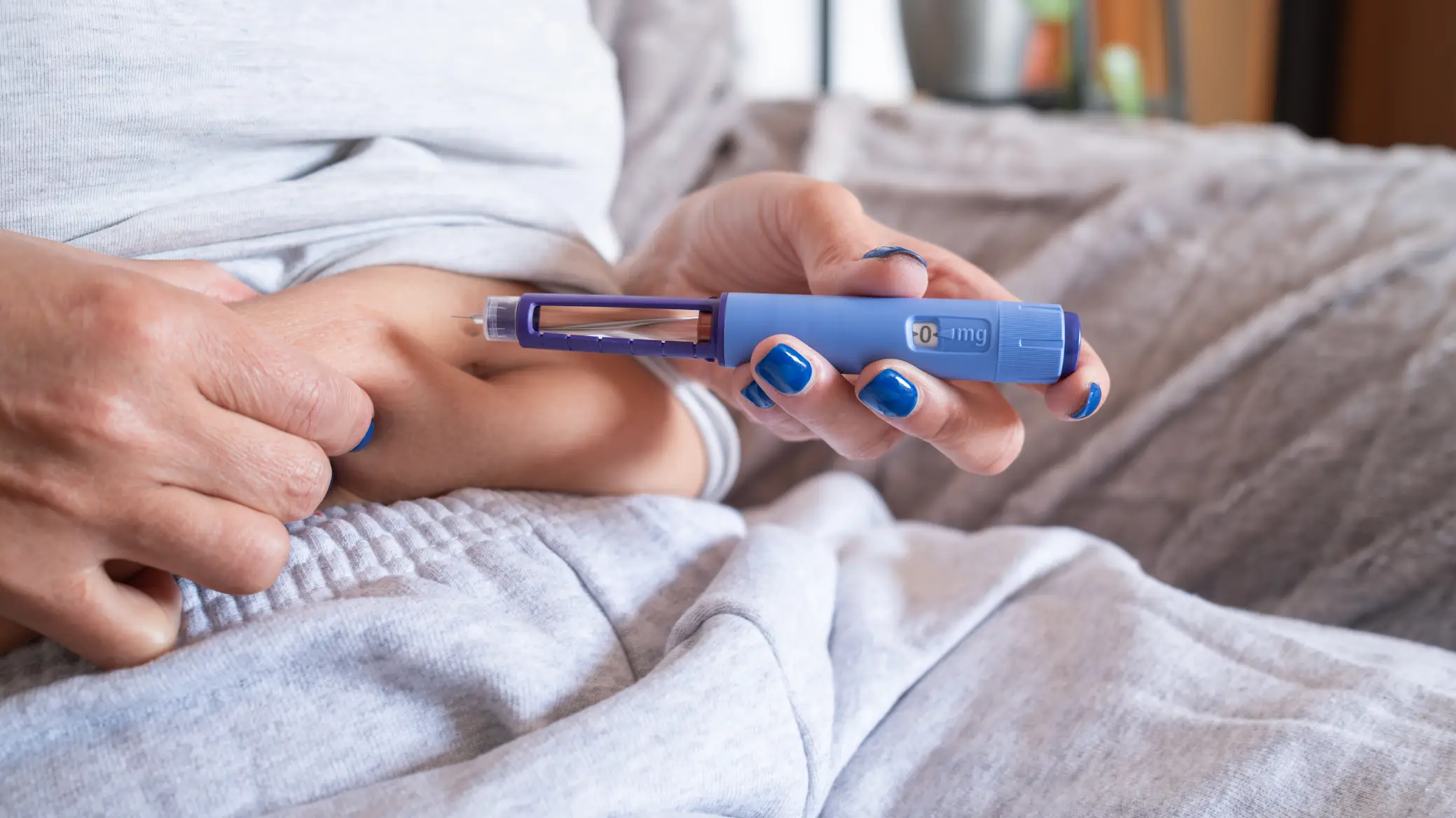
Dietician warns of three types of foods you should avoid when taking GLP-1 drugs

A registered dietitian has warned of three types of food that people should avoid eating while taking GLP-1 medications, which can be used to help aid weight loss.
GLP-1 drugs have surged in popularity over the last year as more and more stories emerge about people successfully losing weight with their help, but that doesn’t mean they’re a quick fix.
The medications should be accompanied by a healthy diet and exercise, and Zoe Griffiths, a dietitian and VP of Behavioural Medicine at Numan, has broken down exactly what that ‘healthy diet’ might look like.
Speaking to UNILAD, Zoe explained how GLP-1 medications reduce appetite signalling in the brain, meaning users often have a smaller appetite.
Advert
She continued: “As a result of appetite being suppressed, how you eat becomes just as important as what you eat. The goal is to optimize weight loss, preserve lean body mass, maintain micronutrient adequacy, minimize side effects and enjoy your journey including the foods you love and not missing out on social occasions - not simply to eat less.”
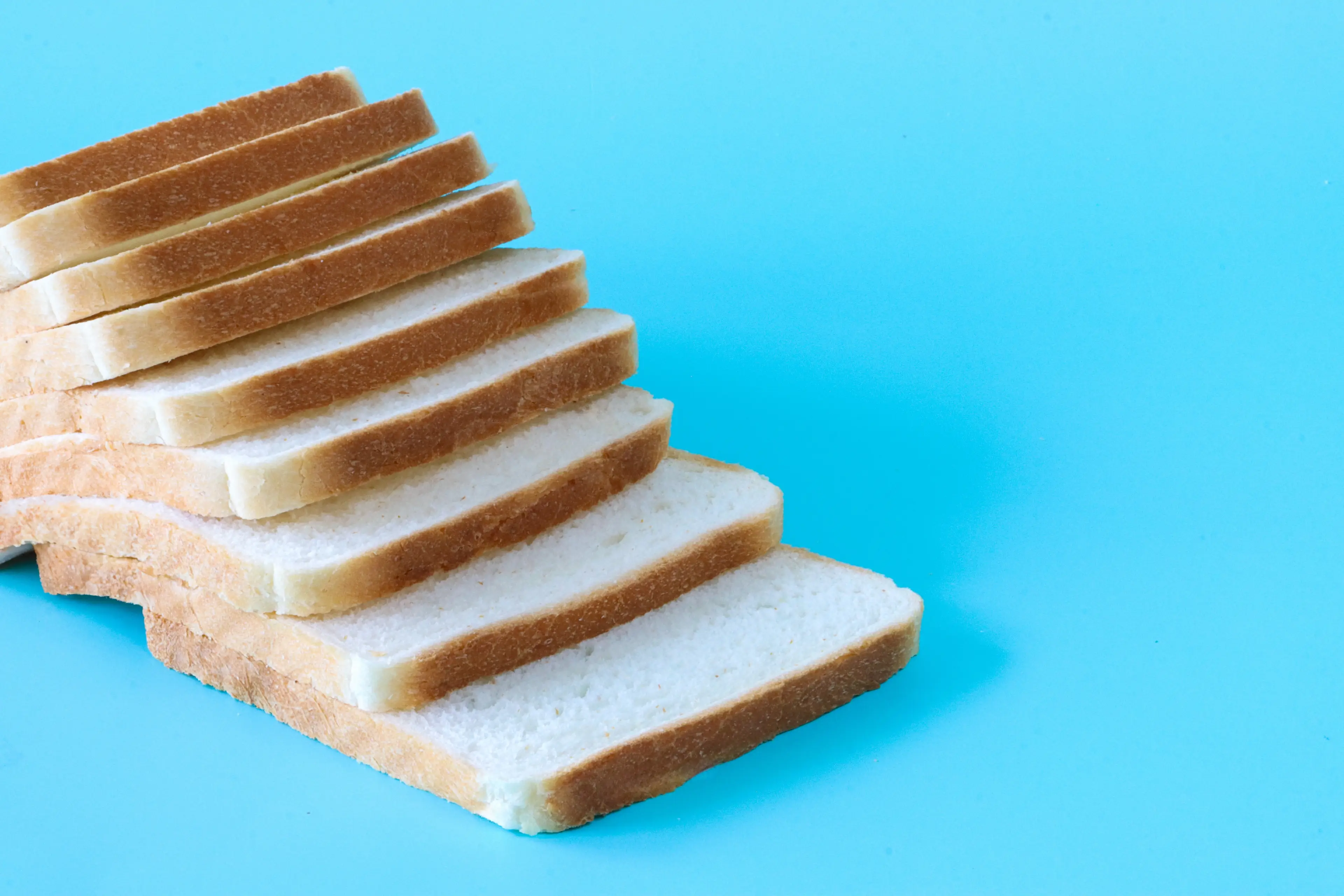
What foods should GLP-1 users avoid?
While Zoe stressed that no single food is ‘good’ or ‘bad’ when eaten in moderation, she pointed out there are some types of food that may not support your weight management journey as much as others.
The first food to try and stay away from is the ultra-processed kind, including crisps, ready meals and sugary cereals.
Zoe explained: “These tend to be lower in nutrients, higher in calories and fat, and easy to overconsume even with a suppressed appetite. The truth is, you don't need to cut out all ultra-processed foods to make progress with your health goals but overall balance of how much of your diet is made up of these foods versus whole, nourishing options is key.”
Next up we have sugary drinks, which are often a source of empty calories without making you feel full, and finally - to no one’s surprise - excessive alcohol.
“Alcohol can lead to ill health and interfere with treatment progress,” Zoe said. “Many people report side effects quicker after consuming smaller amounts.”
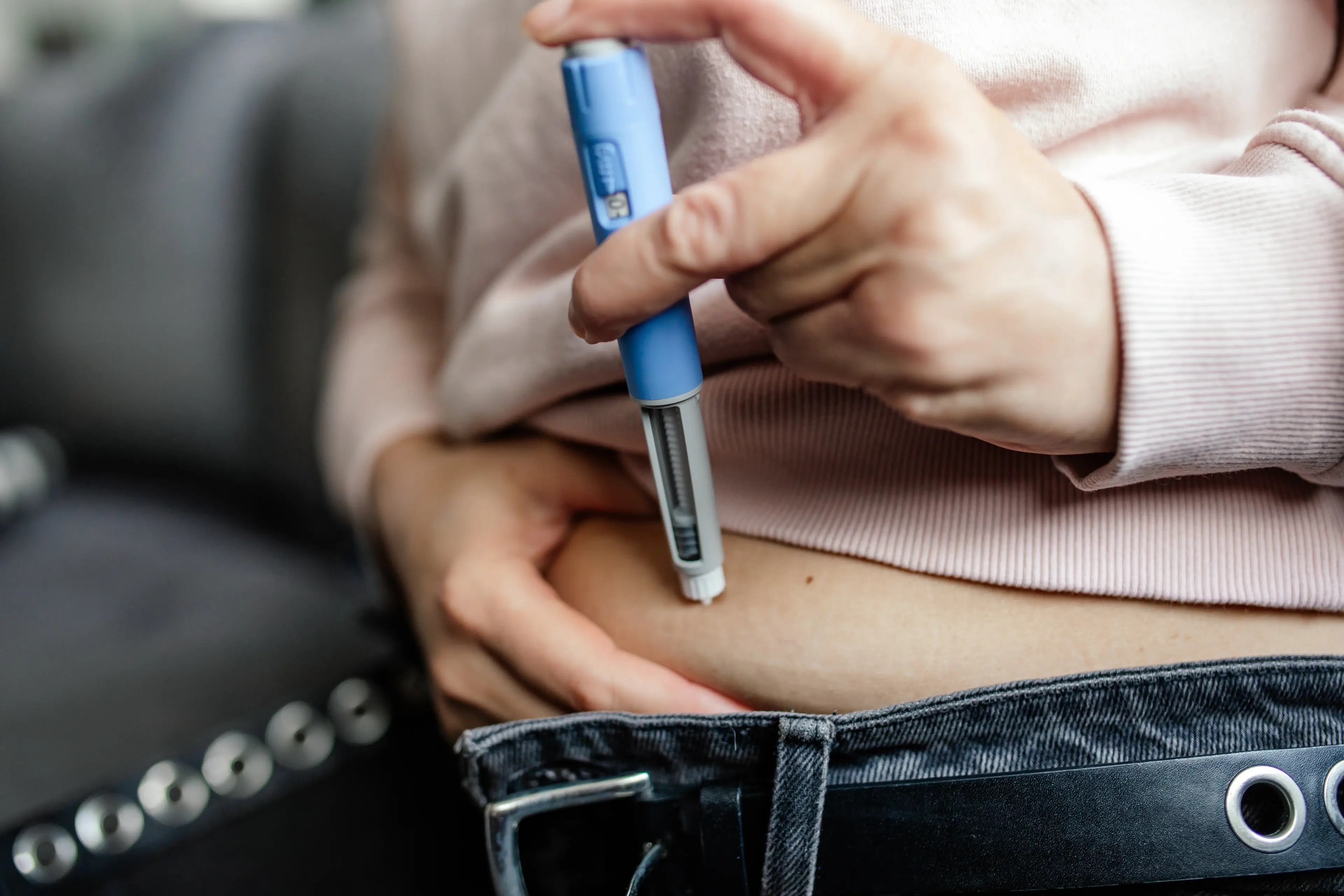
What foods should GLP-1 users eat more of?
Zoe said that nutrient-dense whole foods are the ideal when using GLP-1 medications, as everything you eat needs to work a little harder for those with a suppressed appetite.
Lean protein such as eggs, chicken, fish, tofu and pulses are all good options, as protein requirements increase during weight loss, while fibre-rich foods such as vegetables, whole grains, legumes and fruit help support digestion and manage constipation, which can be a common side effect of early GLP-1 treatment.
Finally, opt for healthy fats such as avocado, nuts, seeds, olive oil and oily fish, which are essential to support heart, hormone and brain health.
How can you find a diet you can stick to?
When it comes to choosing foods that work for you, the dietician explained: “It’s important to look out for signs of insufficient nutrition, such as low energy, poor concentration, mood changes, feeling weaker, and reduced physical performance. GLP-1s help reduce appetite, which naturally supports a calorie deficit but, it should be appropriate and not too steep.
“Having a personalised plan which helps you find eating patterns that you can maintain long-term is the goal, not just eating the fewest calories possible. We advocate for patients to include foods that they enjoy, not overly restrictive or cutting out any food group. A mindset of adding foods, not restricting, is often more helpful.”
Topics: Weight loss, Health, Science, Food and Drink
 Emily Brown