FTC issues urgent warning to Americans taking weight loss drugs with seven red flags to watch for

The Federal Trade Commission has revealed the 'truth behind weight loss ads' as a warning to Americans who might be using GLP-1 medications or any other drugs in a bid to drop some pounds.
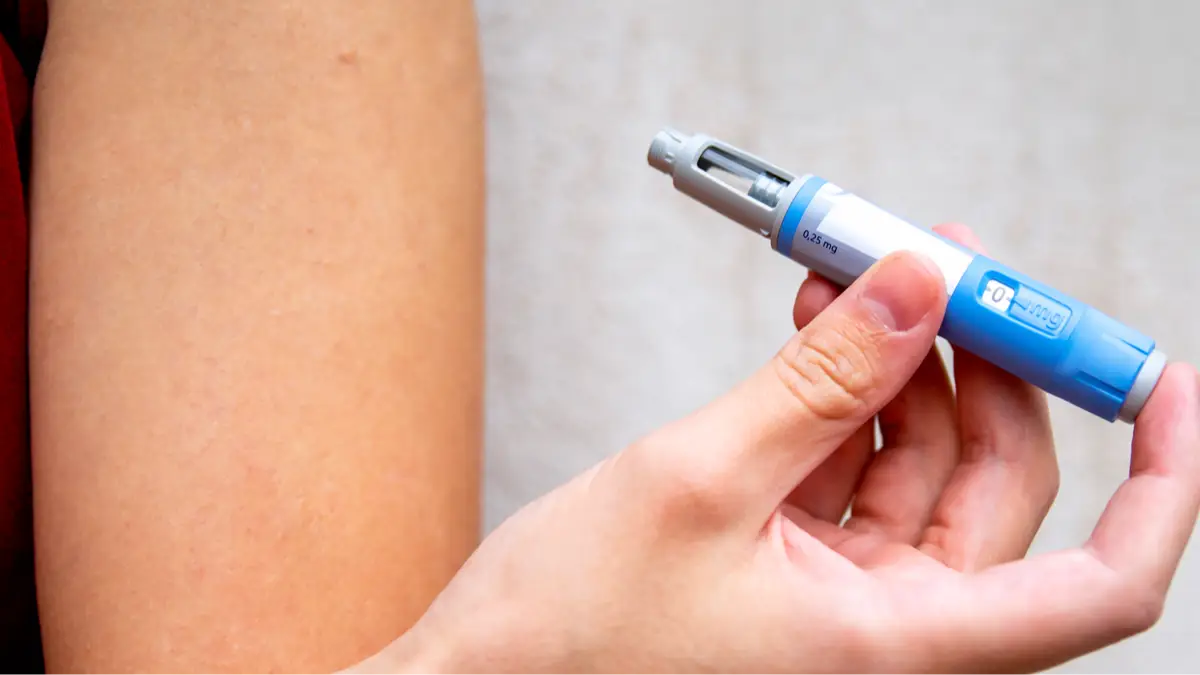
GLP-1 medications, such as Mounjaro and Wegovy, have been praised for their ability to aid weight loss, with the Director-General of the World Health Organization crediting the drugs as ones that 'can help millions overcome obesity and reduce its associated harms'.
It's not just people experiencing obesity who are using the drugs, however, with celebrities among those who have spoken openly about using GLP-1 medications.
As their popularity and prevalence continue to increase, the Federal Trade Commission (FTC) urged Americans to look out for false promises when it comes to ads for weight loss drugs.
Advert

The commission noted that while it 'would be nice if you could lose weight simply by taking a pill, wearing a patch, or rubbing in a cream', any suggestions that you can lose weight without making a change to your lifestyle 'just aren't true'.
"Some of these products could even hurt your health," the FTC warns.
In a bid to prevent people falling victim to fake claims in weight loss ads, the commission has released a list of seven phrases which may be telltale signs of false advertising. See the list below:
- Lose weight without dieting or exercising.
- You don’t have to watch what you eat to lose weight.
- If you use this product, you’ll lose weight permanently.
- To lose weight, all you have to do is take this pill.
- You can lose 30 pounds in 30 days.
- This product works for everyone.
- Lose weight with this patch or cream.

These types of phrases may show up in fake news websites, blogs or social media posts shared by scammers, but the FTC explicitly tells consumers that 'any promise of miraculous weight loss is simply untrue', adding: "There’s no magic way to lose weight without a sensible diet and regular exercise."
The FTC's warning comes after it approved an order this month against a telemedicine company called NextMed, which required the business to 'stop deceptively advertising weight-loss programs and to stop using deceptive and unfair billing and cancellation practices'.
NextMed was accused of selling weight-loss programs with undisclosed costs and membership commitments, and making unsubstantiated claims about weight loss from supposed clients.
NextMed has agreed to pay $150,000 to settle the case.
Topics: Weight loss, Mounjaro, Health
 Emily Brown