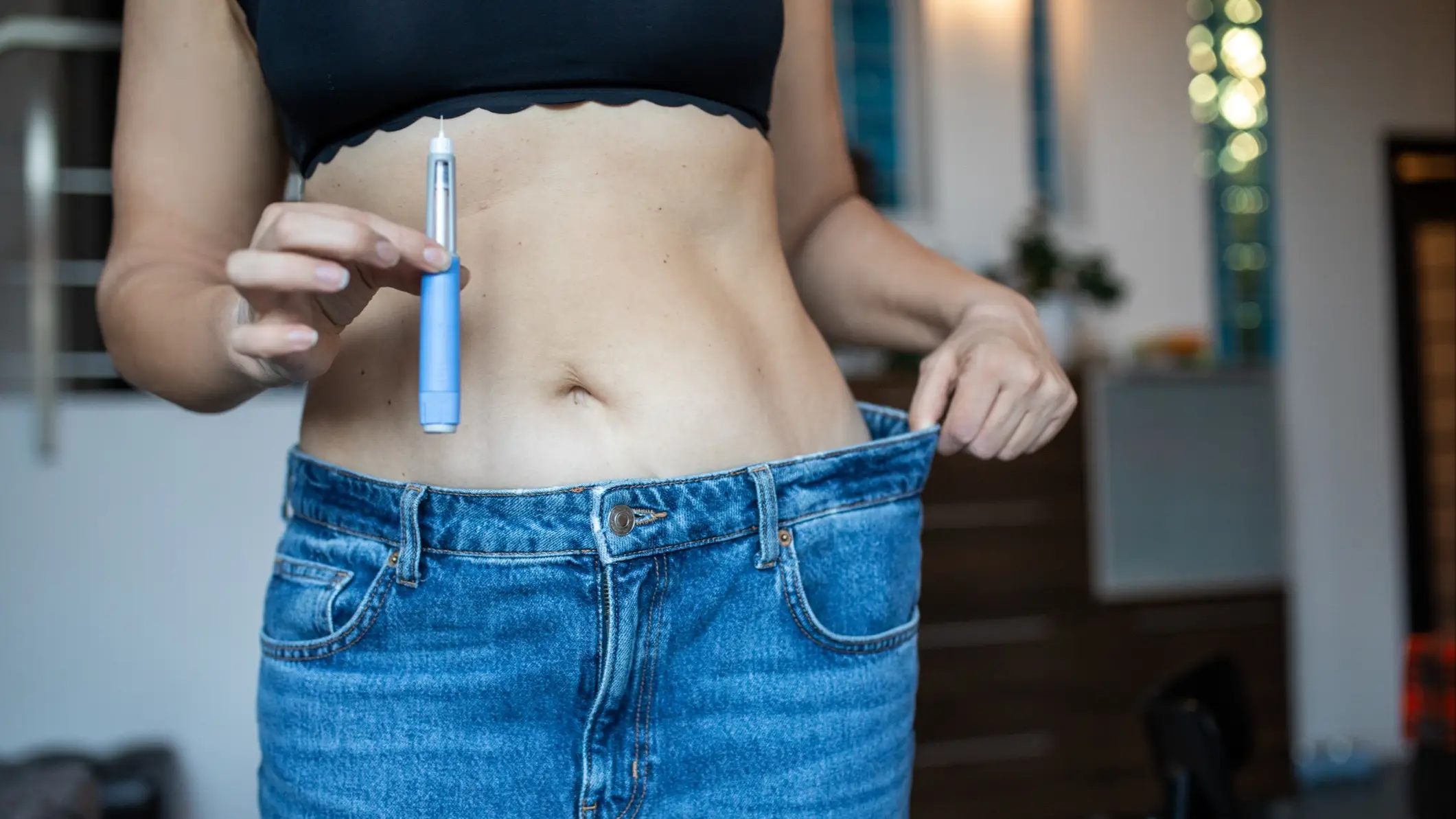
Experts break down exactly what happens to your body in the first 4 weeks of weight-loss jabs

With injections intended to help people lose weight becoming more and more accessible, experts have broken down what can happen to your body in the first four weeks of using such medications.
This week, manufacturer Novo Nordisk announced a huge drop in price for the popular weight loss drug Wegovy, as well as diabetes drug Ozempic. Customers who buy the medications directly from the drugmaker, telehealth partners or retail pharmacies will be able to access Wegovy and Ozempic for $349 a month, in comparison to the previous $499 a month.
The news means more customers will be able to afford Wegovy, which is designed to help adults and children aged 12 years and older with obesity, and to help overweight adults lose excess body weight and keep the weight off.
To help offer insight into the impacts of weight-loss injections more generally, digital healthcare provider ZAVA has broken down what can happen to your body week by week.
Advert
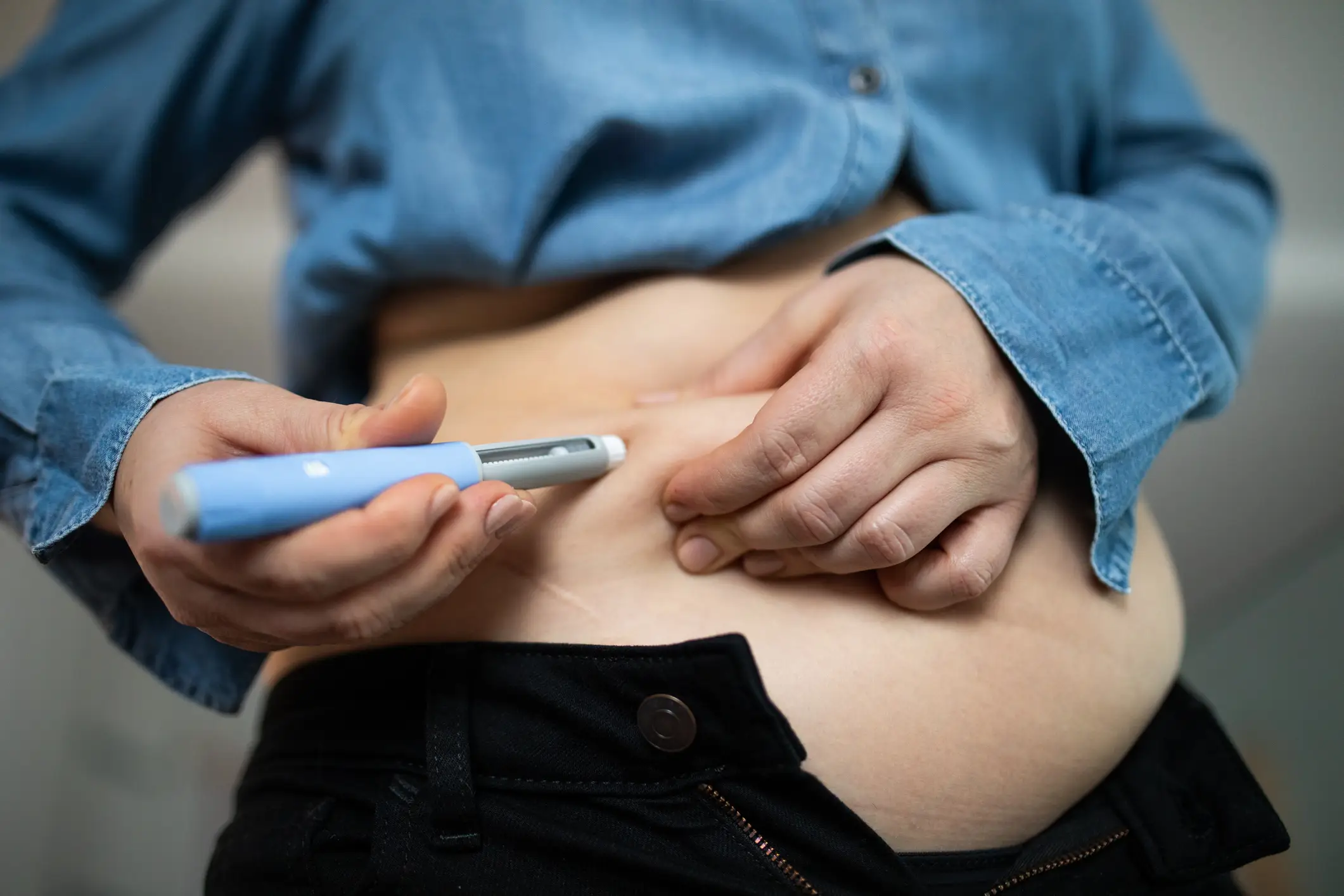
Week 1
According to ZAVA, the first few days after you start using medications intended to aid weight loss are all about adjusting.
The experts explained: "Because these treatments mimic the naturally occurring GLP-1 hormone, they influence your appetite and digestion, which can initially cause side effects such as:
- Nausea or vomiting
- Mild digestive discomfort
- Fatigue or headaches"
Such symptoms typically appear in the first few days as your system adjusts to the medications, and the experts advise to eat smaller, low-fat meals and avoid greasy or rich foods to help cope with the changes to your body.
"Staying hydrated and resting are also important during this period," ZAVA adds. "While you might experience signs of discomfort, it’s important to take your medication exactly as prescribed by your doctor and listen to your body."

Week 2
Unfortunately, side effects of weight loss injections may not completely disappear after the first seven days, but nausea, headaches, or digestive upset often begin to decrease as treatment continues.
If side effects don't improve, your doctor may adjust your dose or recommend you increase the medication more slowly.
To help ease any symptoms, ZAVA recommends staying hydrated and resting.
Week 3
At the 21-day point, most patients tend to experience fewer side effects and more positive changes. When it comes to losing weight, these positive reactions include a reduced appetite, feeling fuller sooner during meals or slowing gastric emptying.
That being said, ZAVA has stressed the importance of maintaining a balanced diet and regular exercise to support your weight loss journey and overall health.
Week 4
The moment most people on weight-loss jabs will be waiting for; week four is when many patients start seeing early changes in weight and energy levels.
"Weight loss injections have also been shown to improve markers like blood pressure, cholesterol, and blood sugar control, important benefits for long-term health," ZAVA explains.
'They're not a magic fix'
Dr Babak Ashrafi, from ZAVA, has praised weight loss injections like Mounjaro and Wegovy as 'one of the most exciting developments we've seen in obesity treatment in recent years'.
However, he pointed out that success on the medications comes from combining treatments with lifestyle changes.
He said: "These medications don’t just help reduce weight, they tackle one of the root causes by regulating appetite, which can be life-changing for people who’ve struggled with traditional weight loss methods. Clinical evidence shows that they can lead to significant, sustained weight loss and improvements in overall health, including blood pressure and cholesterol.
"But they’re not a magic fix. Long-term success comes from combining these treatments with healthy eating, regular physical activity, and the right support. That’s why it’s so important to use these injections under the guidance of a healthcare professional, who can monitor your progress and make sure they’re safe and suitable for your individual needs."
Topics: Health, Ozempic, Weight loss, Mounjaro
 Emily Brown