Scientists reveal tragic fate Punch the monkey could suffer as animals continue to reject him in enclosure

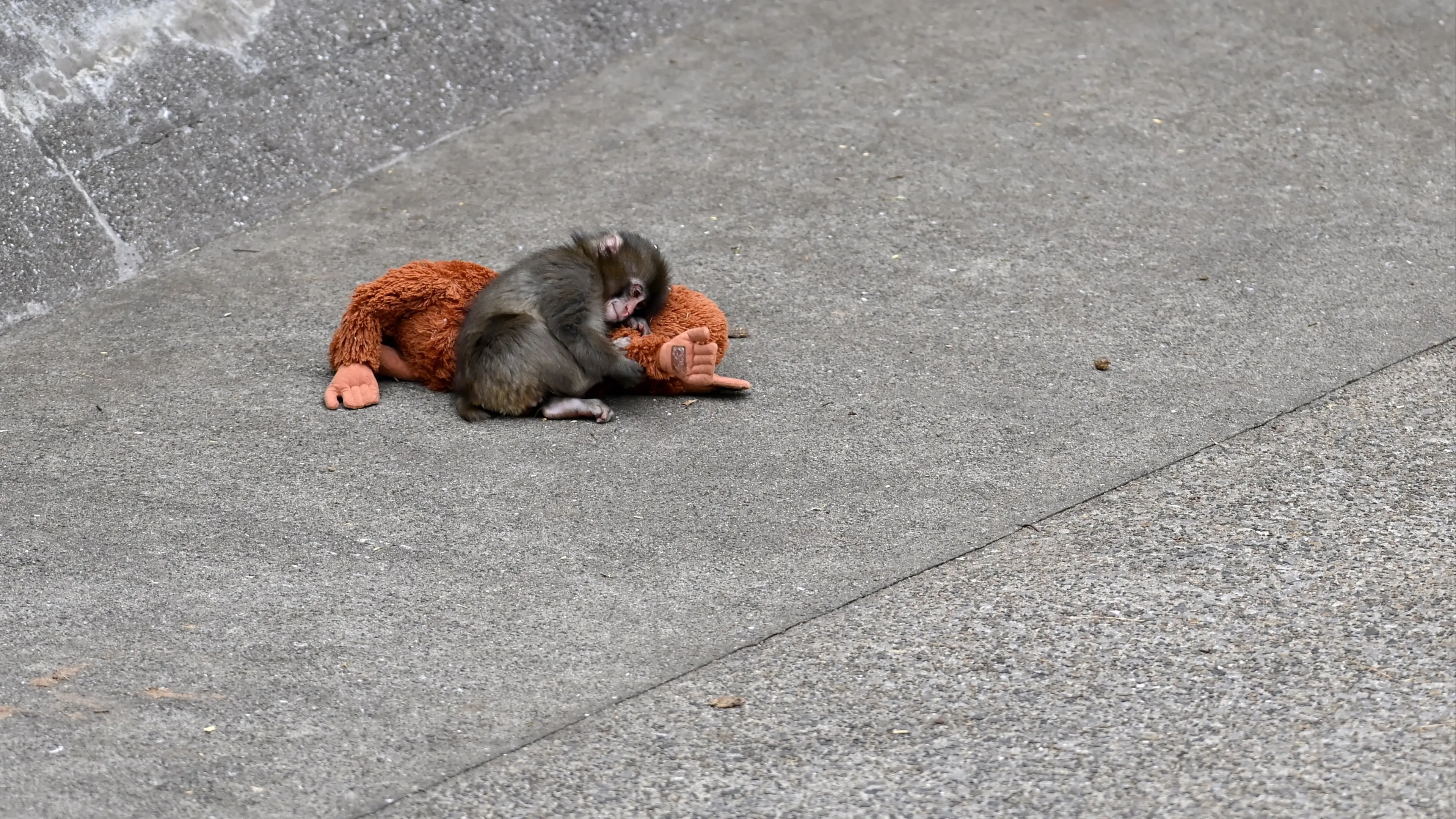
We've all been moved by the story of Punch the monkey, the baby macaque who's been carrying an orangutan plushie around after being abandoned by his mom, and scientists have now warned what fate the young monkey could suffer if other animals continue to reject him.
The past few weeks have seen the seven-month-old Japanese macaque become an internet sensation at Ichikawa Zoo, in the western Chiba Prefecture in Japan.
Punch didn't have a happy start in life, as his mother rejected him. To make him comfortable, the zookeepers at Ichikawa Zoo gave him an organgutan plush toy that's become the macaque's inseparable companion given that his fellow monkeys in the enclosure appear to 'bully' him.
Punch fans all over the world breathed a sigh of relief when the animal was groomed and comforted by another macaque, but this attempt to form a bond seemed short-lived.
Advert
Now, scientists have predicted what will happen to Punch should he continue being rejected by the troop.
Dr Emily Bethell, Associate Professor in Primate Cognition and Welfare at Liverpool John Moores University, has said that Punch will be likely 'under careful observation' to determine what's the best approach moving forward.
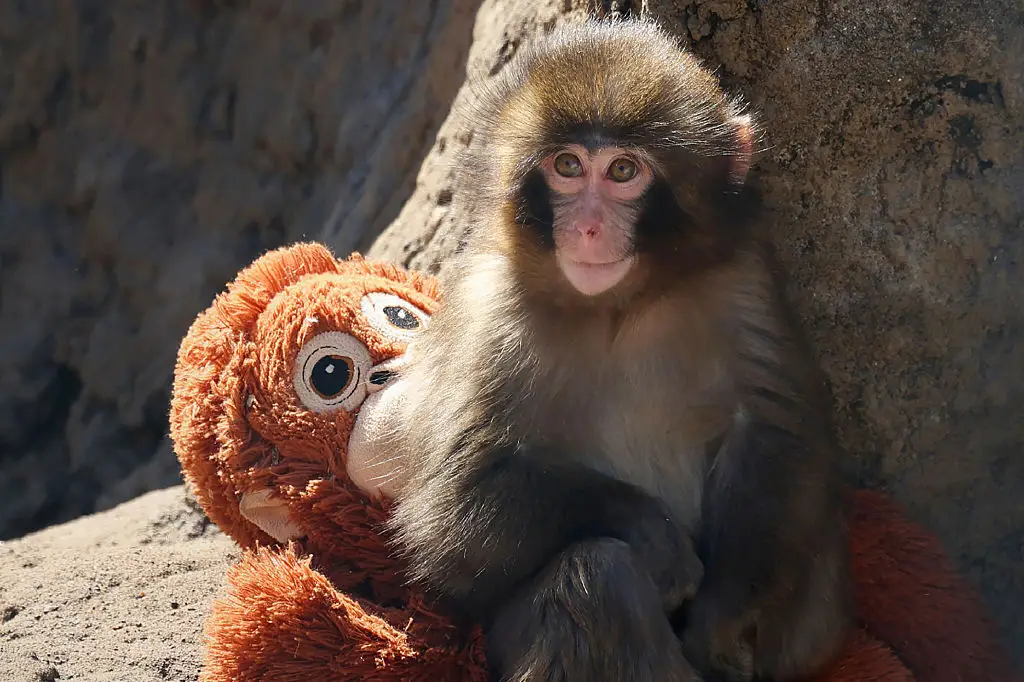
"I expect Punch will be under careful observation by the keepers, and it sounds like they are trying various approaches to find a way to keep Punch in the group, which is best practice," Dr Bethell told the Daily Mail.
"If it looks like he is at risk of physical harm he would be removed from the group. As macaques are highly social intelligent primates this would be the last resort, only if he were deemed to be at risk of physical harm."
According to Dr Bethell, a violent attack, while obviously tragic, wouldn't be the most impactful thing that could come Punch's way. The little monkey could suffer the effect of longterm isolation, which could lead to him missing out on some crucial opportunities to learn 'appropriate social behaviors' he would only be privy to in a social environment.
"Having been abandoned by his mother and the social group more broadly he has missed key developmental opportunities to learn appropriate social behaviors that would help him to navigate the hierarchical social world of macaques," Dr Bethell explained.
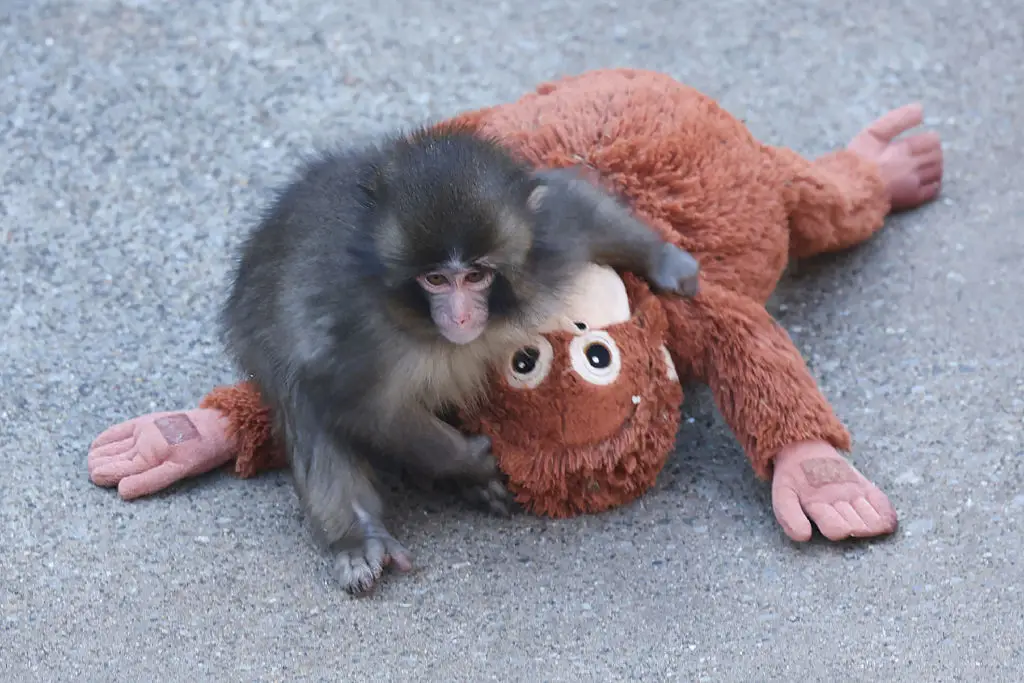
"At 6 months old a wild macaque would still be somewhat reliant on the mother for comfort, nutrition and opportunities to learn about social behavior."
However, Punch being a male monkey may work in his favor as he might join a different group as he gets older and hopefully have better luck.
"Japanese macaques are female–bonded and males typically migrate out of the social group at sexual maturity," Dr Bethell said.
"There is evidence that mothers may invest more in raising daughters since they will stay in the natal group," she added.
"He may therefore be moved to a new social group when he gets older and have an opportunity to forge new social relationships."
Either way, we're crossing our fingers for baby Punch to find his place in the world.
 Stefania Sarrubba