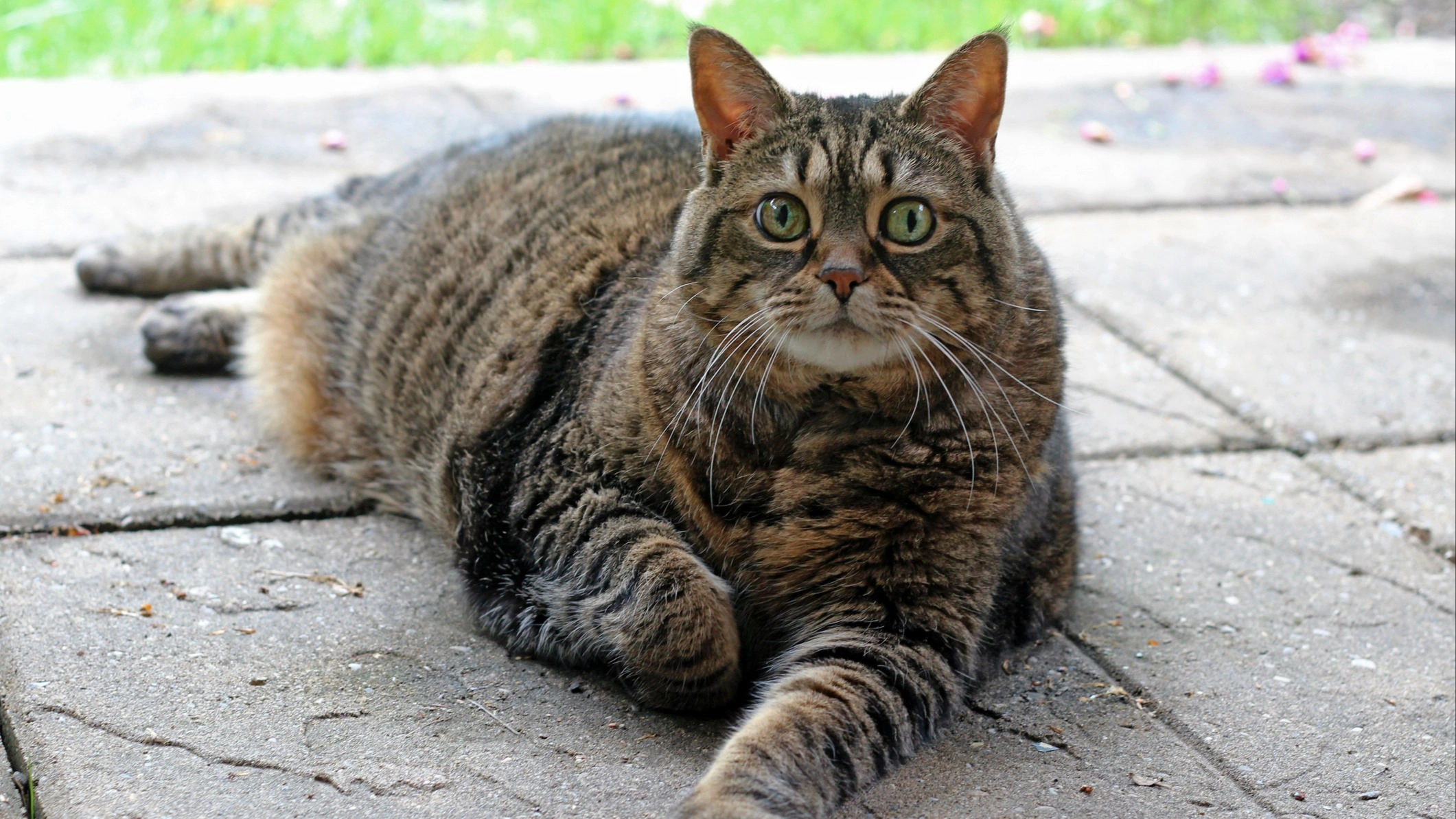
US company plans to tackle feline obesity with weight loss drug for cats

A US pharmaceutical company has announced its intention to launch a new drug trial for a weight loss medication specifically designed for overweight cats.
Okava Pharmaceuticals, a San Francisco-based company, plans to introduce a new GLP-1 clinical weight loss study, looking at medications that work in a similar way to human-approved weight loss medications like Wegovy.
MEOW-1, as the study is called, is due to launch on Tuesday and will look to use a miniature implant in our four-legged friends that can release a GLP-1 medication continuously for up to six months.
As part of the study, Okava will study 50 cats who will take the implant and have their weight examined at three months on the drug, with additional monitoring continuing to the six-month mark.
Advert
Okava CEO Michael Klotsman hopes that the trial will offer a lifeline to owners struggling with their pet’s weight, with a view to seeking FDA approval for the product between 2027 and 2028.
It is anticipated that the out-of-pocket costs for pet owners, if approved, would run around $100 a month.

"Weight management offers transformative health benefits for cats. Weight reduction is the only proven means of extending a cat’s lifespan. Leaner cats have significantly reduced diabetes risk, and joint pain associated with excess body weight is eliminated," says Okava of the study.
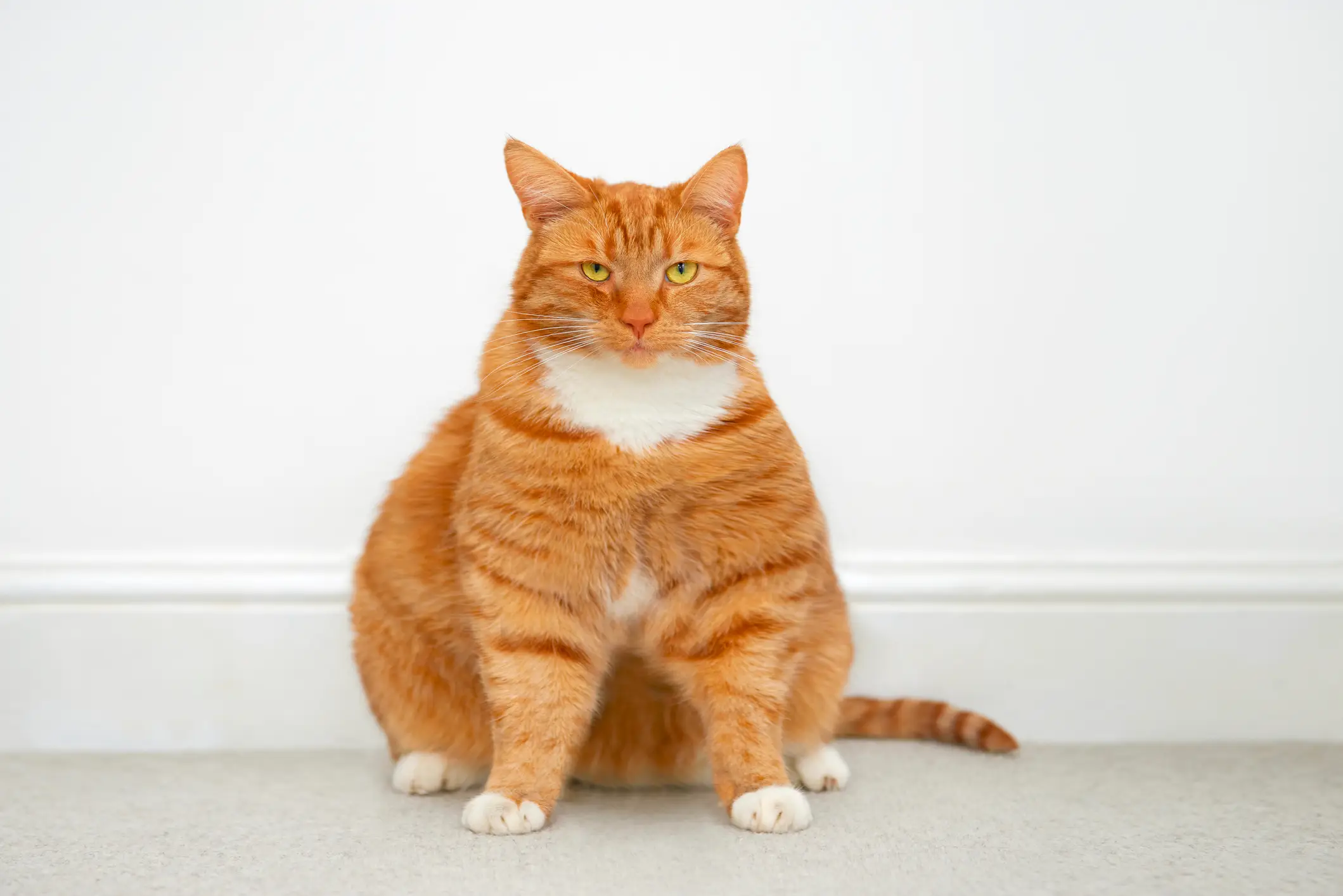
Around 50 percent of all cats in the US are overweight or obese, which means around 25 million households have at least one overweight pet living with them.
Unlike their human counterparts, which rely on semaglutide or tirzepatide, for this study, the GLP-1 drug being used is called exenatide.
However, the medication still works in the same way that it does in humans.
"Pet owners should expect to see meaningful behavioral changes in their animals. Most notably, pets will become less food-motivated - they'll show less begging behavior, reduced scavenging, and better portion control," Okava explains.
"Beyond appetite changes, we anticipate owners will observe more active and energetic pets as the weight comes off and metabolic health improves."
GLP-1s were originally licensed for the treatment of diabetes, as they help people produce insulin and lower the amount of sugar in the blood.
The drug also has a secondary benefit, which is slowing the passage of food through the stomach and, in the process, curbing appetite, which can lead to weight loss.
It is for this reason that several GLP-1 drugs were later also licensed for weight loss.
While the study is only in the very early stages, Okava has also revealed its plans to conduct a similar trial with dogs in the future.
According to the company, the use of medication in pets is a better choice than traditional diet modification or lifestyle changes, with Okava citing numerous advantages such as ‘reducing the risk of diabetes through improved glucose metabolism’ and ‘decreased osteoarthritic pain and inflammation.’
It also claims that it could lead to ‘enhanced cardiovascular function’ and ‘better insulin sensitivity.’
Topics: Cats, Weight loss, Weird, Health
 Phoebe Tonks