Chernobyl nurse describes terrifying ‘crimson’ symptom 40 years on from explosion

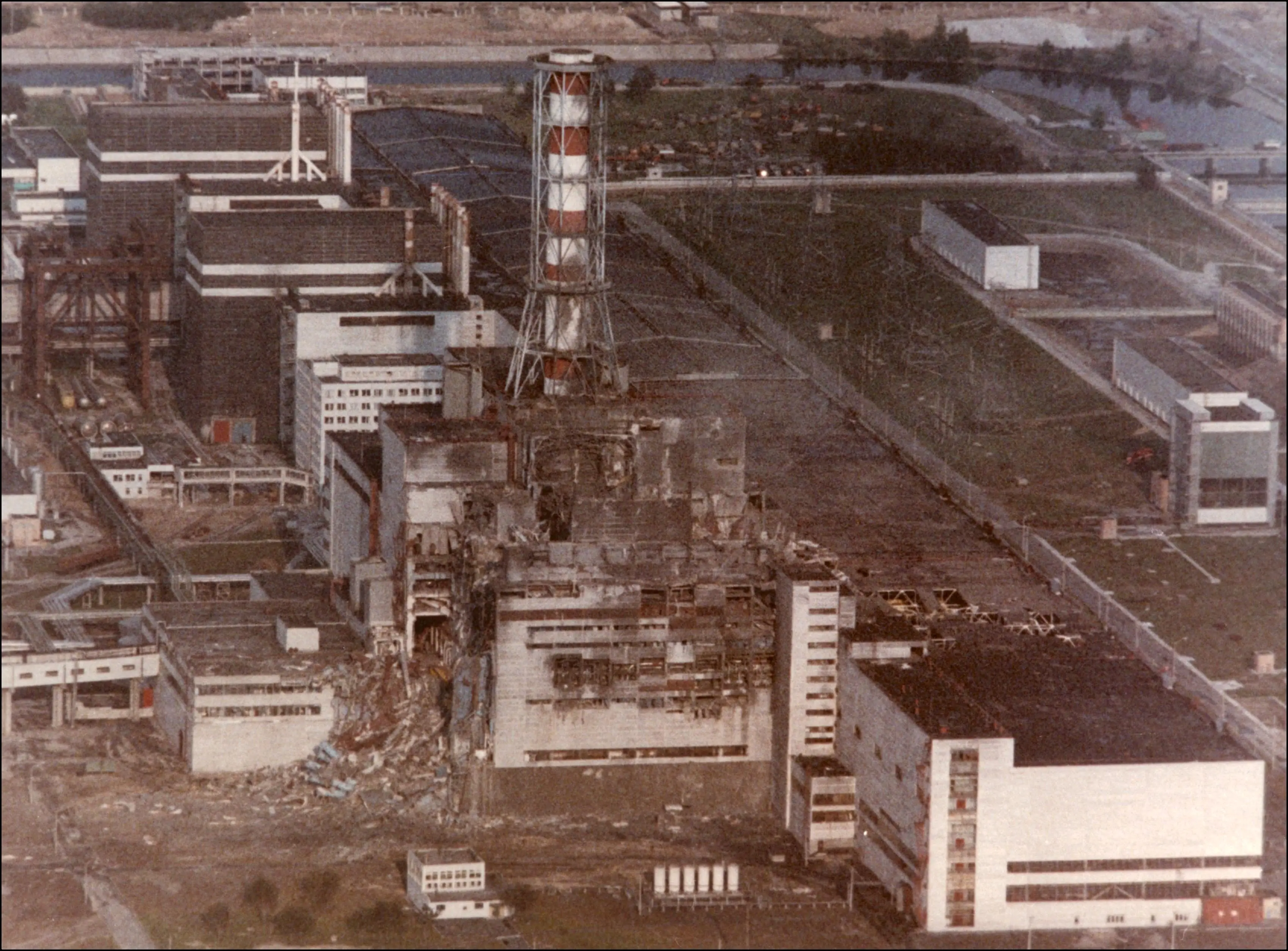
The first of the injured began appearing at Pripyat Hospital barely an hour after Chernobyl's nuclear Reactor 4 exploded during a safety test, sending tonnes of radioactive material shooting into the skies over Europe.
At first, with little information to go on at 2am on April 26, 1986, and with dozens of men arriving with what looked like serious burns, the nurses in Pripyat tried washing the injured power plant workers and firefighters with milk.
While this was a traditional Soviet remedy for soothing burns and washing off toxins, it did almost nothing to prevent the horrors unfolding inside the bodies of the men who sacrificed everything to try and get Chernobyl's nuclear fire under control.
As more firefighters and reactor workers began flooding into the hospital, the scale of the historic nuclear disaster began to be realized by the staff. Particularly because of one terrifying 'crimson' symptom they could see in their faces.
Advert
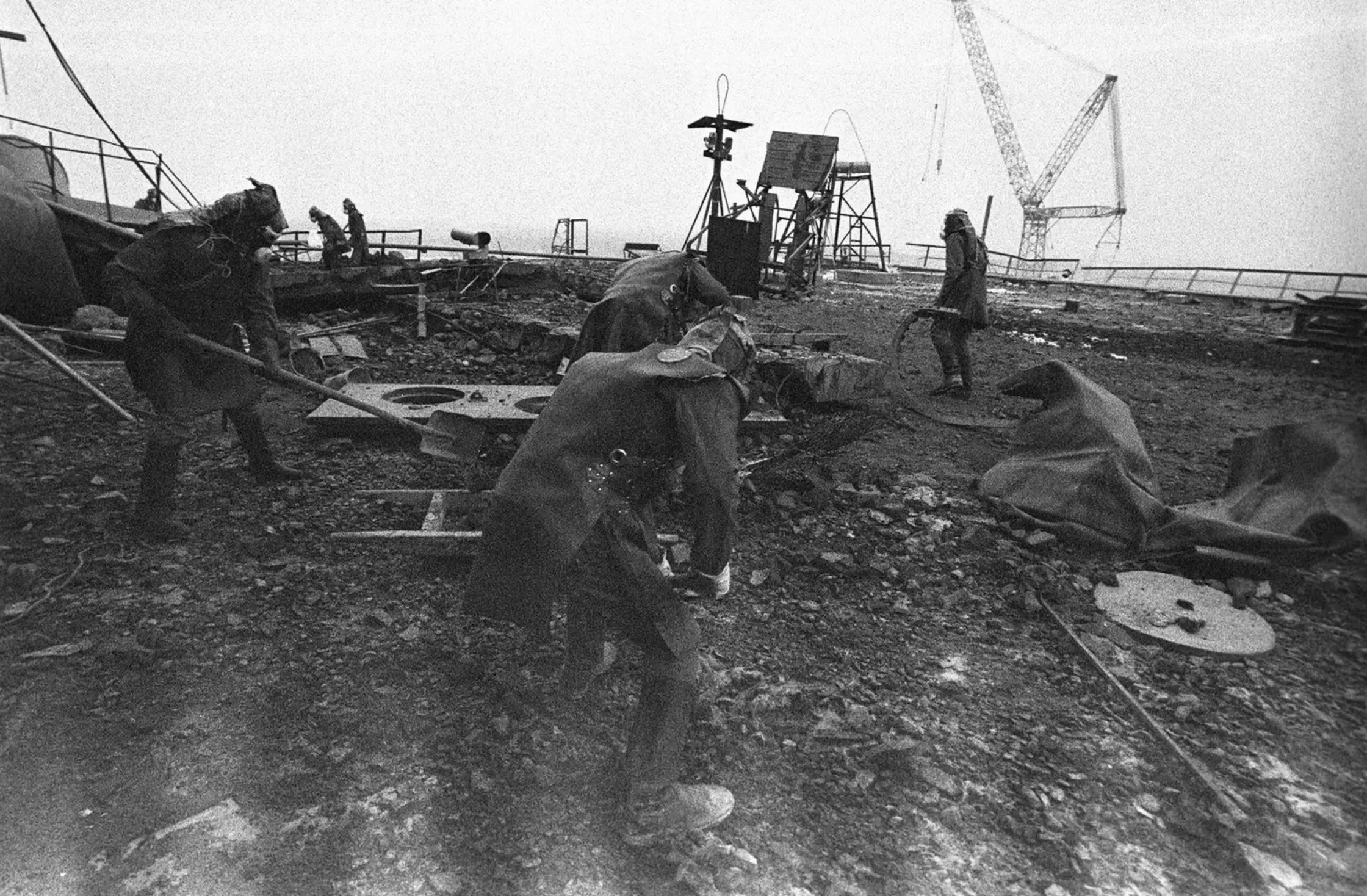
Many of these men had already experienced some symptoms of radiation poisoning from their short time standing on the roof of Reactor 4, where they were receiving a lethal dose in under five minutes.
"I was running down the corridor and it felt like the floor was moving," firefighter chief Petr Khmel recalled on the documentary Chernobyl: 48 Hours to Escape, sharing how he had been wearing a useless cloth respirator.
"I tore it off, and a fountain of blood shot out of my mouth," Khmel said.
Others had gone into a decontamination shower and walked out vomiting and unable to hear, after receiving some of the highest doses of radiation ever recorded. All within an hour of the reactor exploding.
By 6am and with dozens of men being taken for treatment, the hospital had started preparing in earnest for the crisis that lay before it. Non-irradiated patients were removed, floors were scrubbed, but nothing could prepare them for what they saw as dawn broke on April 26.
Paramedic Lyudmila Dzhulai was one of the nurses working that night and she still remembers the terrifying symptom etched across the faces of the walking wounded.
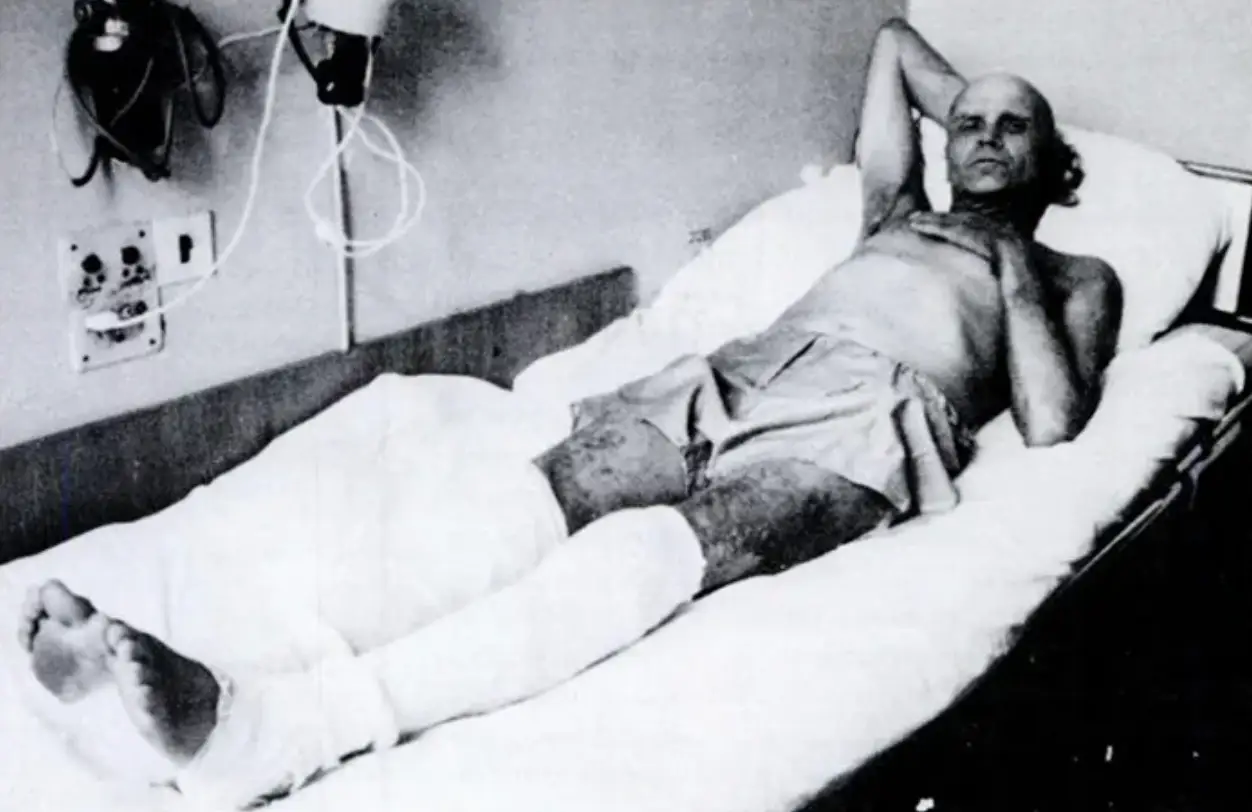
"They were brought here with faces red and burned," she told the documentary, adding: "Radiation burns are not thermal burns, there are no blisters."
Dzhulai then explains the symptom that has come to be known as a 'nuclear tan'. "The face is simply crimson, even burgundy," she said. While the idea of a sun tan does not sound too bad, this symptom is actually a sign that death is likely imminent.
This deep red flush that can be seen on the face of people with acute radiation poisoning is a consequence of the countless gamma and beta particles that have smashed into their cells and DNA.
This ionization process strips electrons away from atoms and creates highly unstable free radical molecules, which shattered the DNA inside their cells and caused them to break down.
This mass cell death occured all over their bodies, with these free radicals destroying even the base skin layer of the firefighters subjected to these massive radiation doses. Yet its impact was most obvious in their faces.
This is because of the face's high concentration of blood vessels, which the body tells to massively expand in response to this mass cell death. The vasodilation response flooded their faces with repair cells, but it is already too late.
The damaged tissue releases histamines as it breaks down, causing the face to swell as it goes bright crimson.
Bizarrely, many of the firefighters began to feel a bit better after they reached Pripyat Hospital, but this was just another confirmation that they had suffered a truly insane radiation dose.
Sometimes called the 'walking ghost' phase, this moment of feeling better is because of the intense but invisible damage wreaked by the gamma and beta particles. As each of the firefighters' irradiated skin died off, there were no new cells to replace them.
With the base skin layer killed off, their flesh would slough off their body while their internal organs shut down. There was nothing anyone could do to save them.
The most harrowing moments from the Chernobyl disaster
The death toll of Chernobyl
31 people, including two power plant workers and several firefighters, are recorded to have died in the aftermath of the explosion of reactor no.4, with the UN estimating that only 50 deaths can be directly attributed to the disaster.
However, the death toll goes far beyond these figures.
The World Nuclear Association estimated that around 200,000 people in the Soviet Union were involved in the recovery and clean up during 1986 and 1987, all of whom were exposed to high doses of radiation averaging around 100 millisieverts (mSv) - while this is considered safe when exposed to in short periods, it's known to increase the risks of cancer.
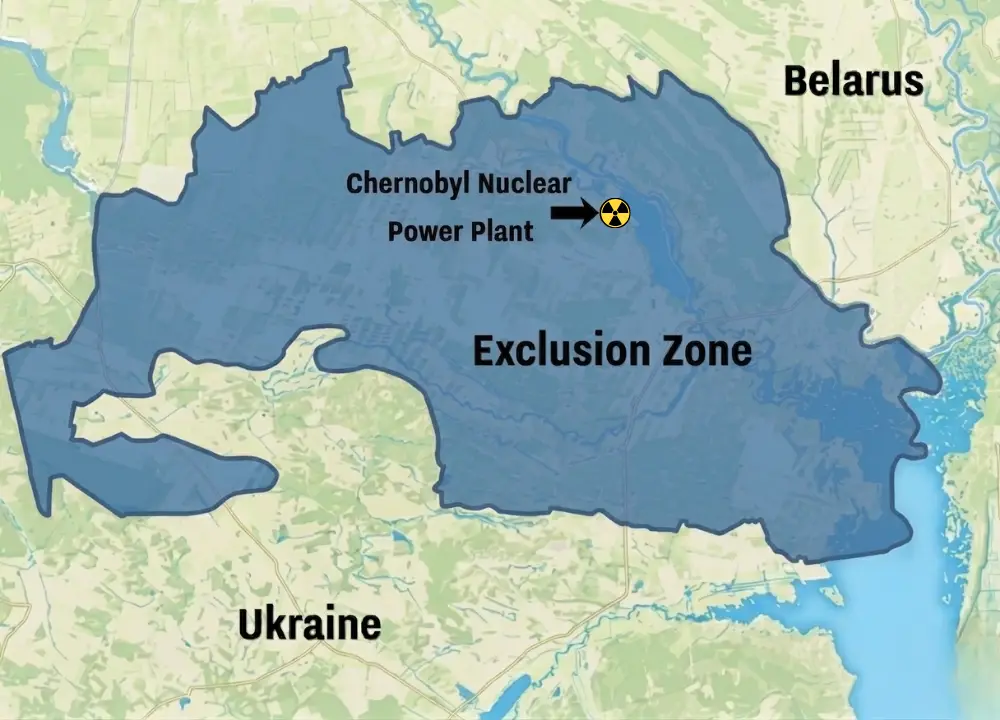
Though there have been issues in verifying a death toll from radiation exposure due to the lack of reliable public health information before 1986, in 2005, the UN predicted that around 4,000 people would eventually die from radiation exposure.
On top of the premature deaths that followed the Chernobyl disaster, reports indicate that there was a significant rise in birth defects in regions heavily contaminated by radiation.
Verywell Health reports that some studies noted a 200% increase in congenital deformities in certain high-fallout areas of Belarus, as well as higher rates of cancer, stroke, depression and dementia in the 'children of Chernobyl'.
The lost body of Chernobyl
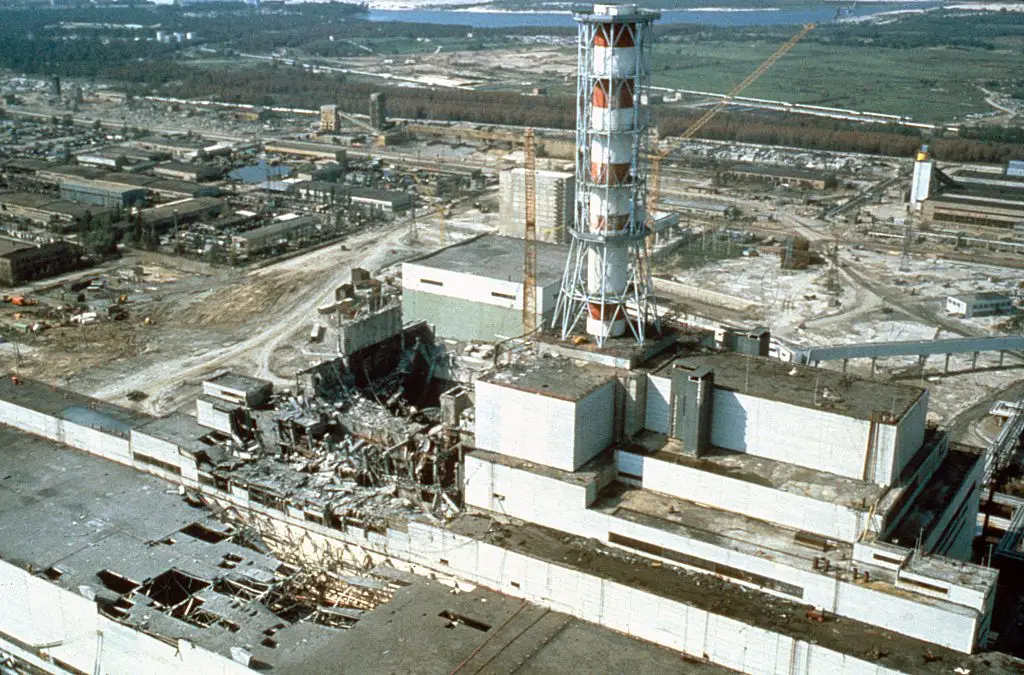
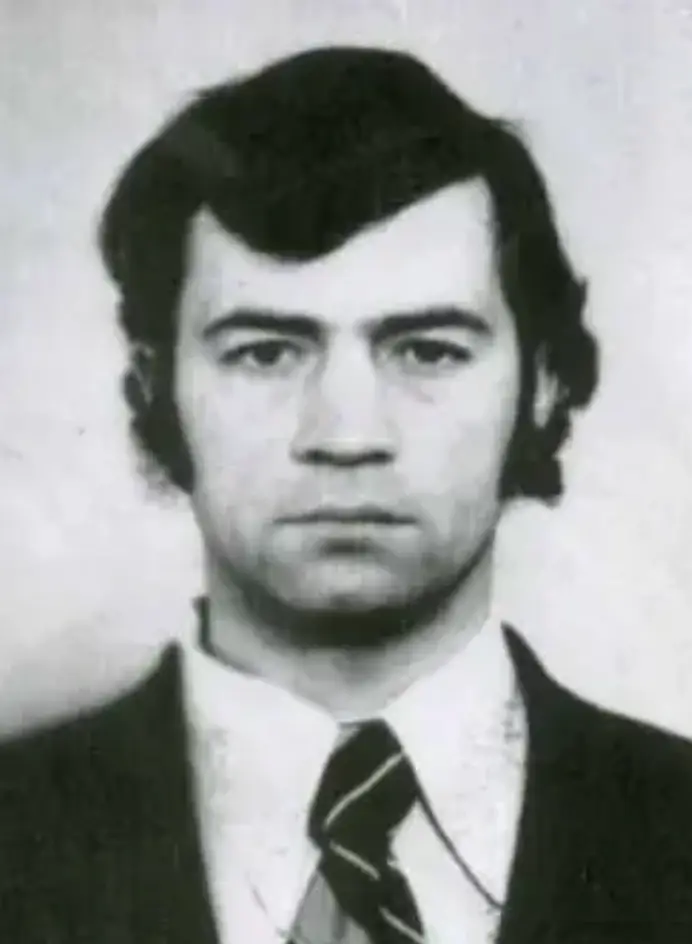
Valery Khodemchuk was the person who was killed instantly when reactor no.4 exploded.
Working as a pump operator, the Ukrainian engineer was sent to the core of the reactor to report on the results of the ill-fated safety test once it had been completed.
When the 1,000-ton roof was blown off in the radioactive fireball, it is believed Khodemchuk died instantly, and four decades on, his body was never found and remains entombed forever in the debris of reactor 4.
The firefighter's exposure to radiation
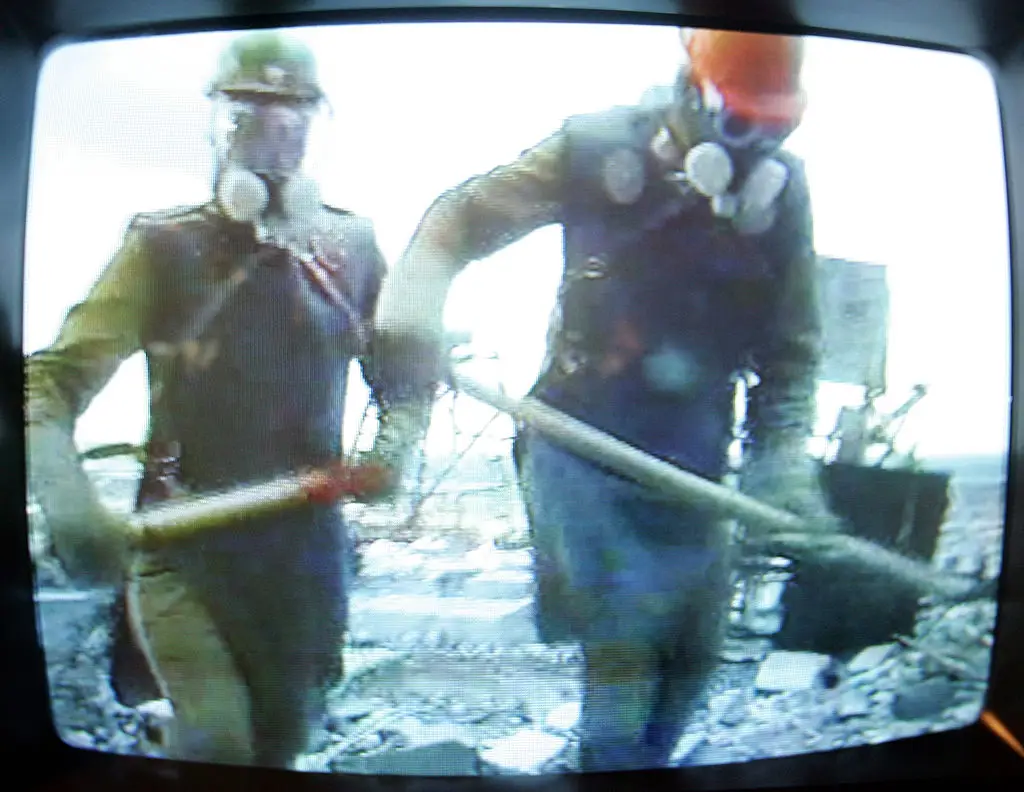
The responding firefighters were exposed to lethal doses of radiation when they arrived at the burnt-out reactor no.4 at Chernobyl Nuclear Power Plant.
They were exposed to up to 20,000 mGy or 20 Sieverts, which is the equivalent of roughly 80,000-160,0000 chest X-rays. Many suffered from acute radiation syndrome (ARS), which included vomiting, skin burns and intense sickness, resulting in several deaths shortly after.
One of the firefighters who died was 25-year-old Russian native Vasily Ignatenko, whose wife recalled how after he passed away, his shoes weren't able to be put on due to the extreme swelling caused by the radiation.
“They had to cut up the formal wear, too, because they couldn’t get it on him, there wasn’t a whole body to put it on," she said, according to Svetlana Alexievich’s 1997 book, Voices from Chernobyl: The Oral History of a Nuclear Disaster.
Those who died in the initial aftermath were still radioactive, so they had to be buried beneath zinc and concrete to protect the public.
The effect on animals and wildlife
Following the evacuation of Pripyat, many domestic animals - mostly dogs and cats - were left behind in the scramble to leave.
Soviet soldiers later shot and killed as many of these animals as possible, due to the assumption that their fur was contaminated with radiation. However, it is believed that some of the dogs left behind hid and survived in the wild, and their descendants now roam the Exclusion Zone four decades later.
The University of Cambridge states that there are around 500 dogs in the Zone, and they are now managed by the Clean Futures Fund (CFF), an American non-governmental organisation which controls their 'overpopulation' with spay/neuter programmes and monitors their health.
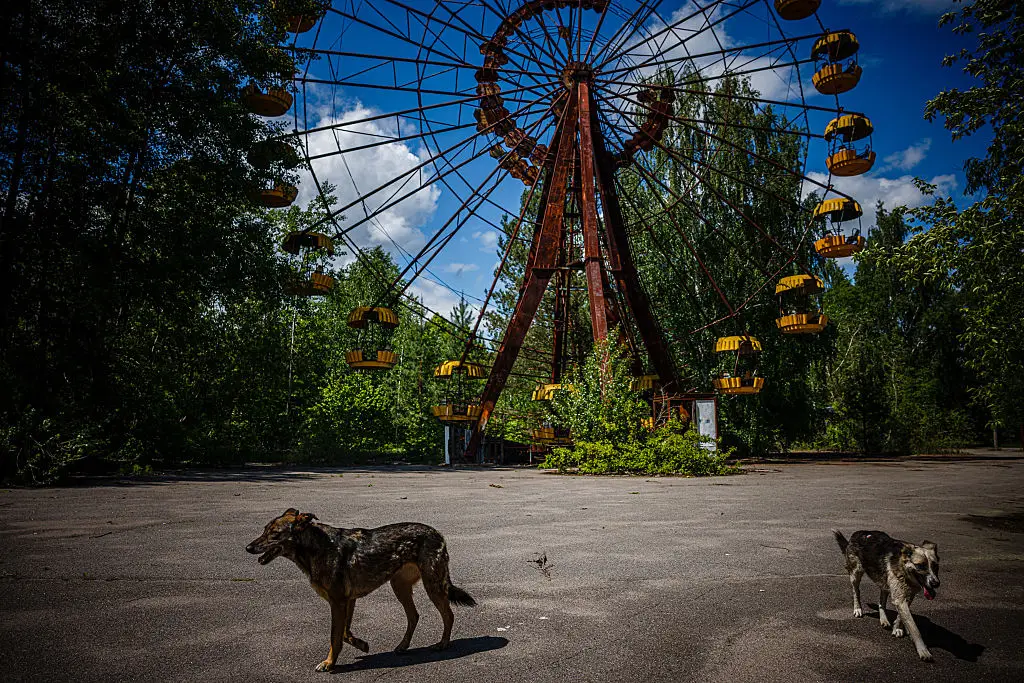
As for the wildlife, despite the rapid spread of radiation, four decades on, it's thriving.
Large mammals such as brown bears, moose, European bison and wolves have returned in large numbers - and it looks like there's a reason for this boom in repopulation.
Evolutionary biologist Germán Orizaola, who has been studying the effects of radiation in Chernobyl since the spring of 2016, spoke to the BBC and said the absence of humans could be the reason for the wildlife and the surrounding area to thrive.
 William Morgan