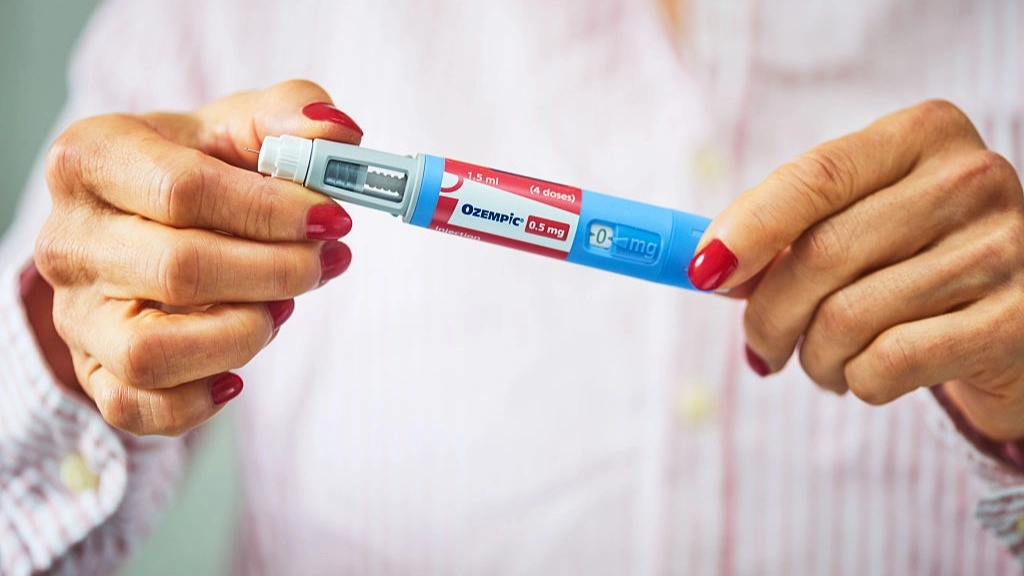
New warning added to weight-loss drugs after reports of concerning reactions are 'higher than expected’

Weight loss and diabetes drugs have been slapped with a fresh warning amid growing reports of a worrying reaction.
Injectable diabetes medication, called GLP-1 agonists, have boomed in popularity in recent years.
Brands of semaglutide, including Ozempic and Wegovy, work by mimicking the natural hormone glucagon-like peptide-1 (GLP-1), which is released in the gut after eating,
This aids the regulation of blood sugar, keeps people feeling fuller for longer and therefore sees them shed the pounds.
Advert
Like every medication on the market, weight loss drugs come with side effects, from upset stomaches to noticeable differences between the sheets.
But a much 'higher than expected' reaction has caused concern in Australia, prompting the country's Therapeutic Goods Administration (TGA) to sound the alarm.
On Monday, the TGA updated safety warnings for the 'relatively new and high-profile' class of drugs after they were linked to a potential mental health risk.
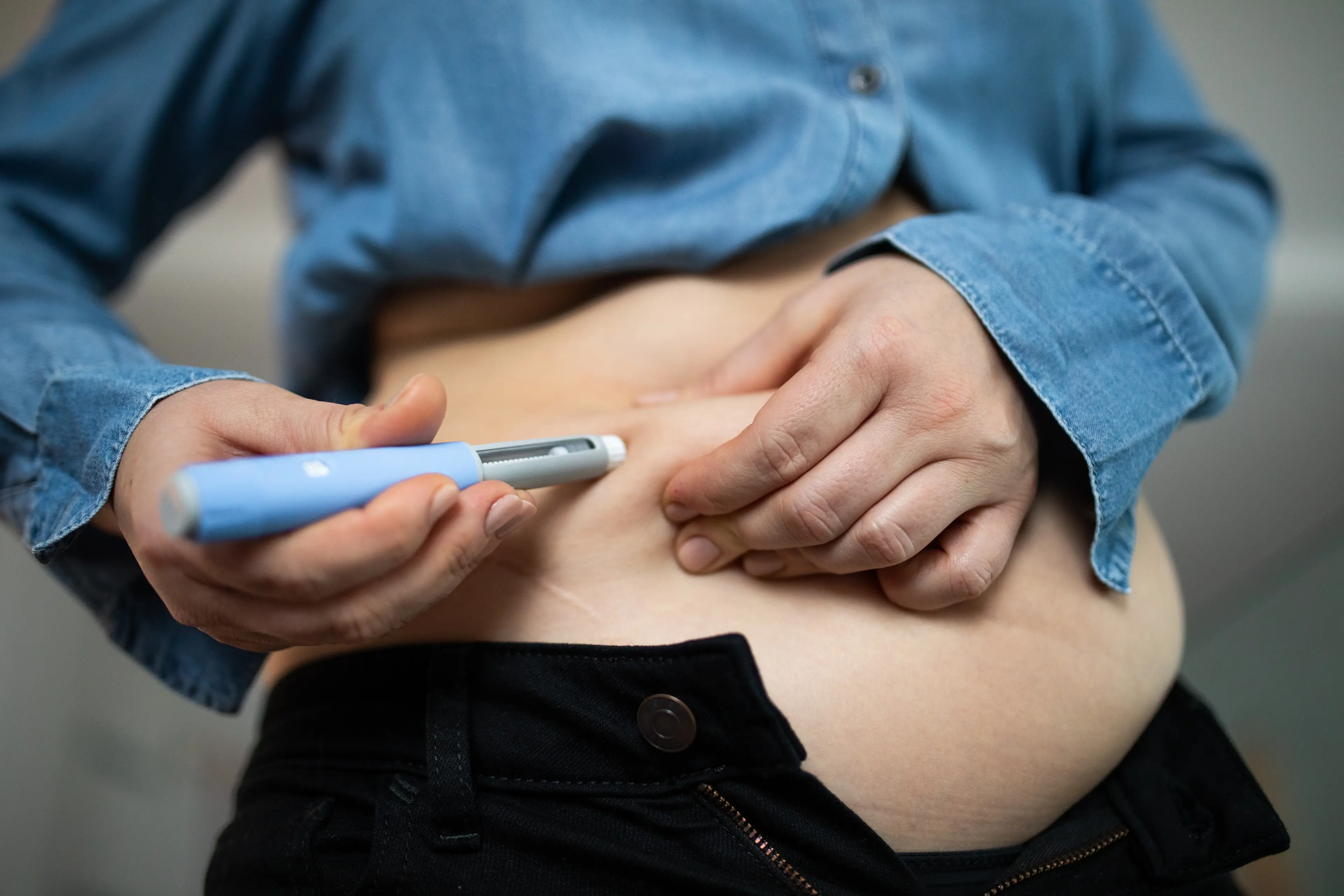
A 2024 study that analysed the World Health Organization’s global database of adverse drug reactions found reports of suicidal ideation were slightly higher than expected for semaglutide, even compared with other diabetes medications.
As of September, the TGA’s Database of Adverse Event Notifications contains 72 reports of suicidal ideation associated with the drugs.
The Cleveland Clinic explains suicidal ideation is when an individual has thoughts or ideas centered around death or suicide.
This can be passive - occurring without any desire to make a plan of action to harm yourself - or active, when people might put plans in place to hurt themselves or end their lives.
Australian healthcare professionals are now being urged to monitor patients for depression, suicidal thoughts or behaviours, and any unusual mood or behavioural changes.
Clinicians should 'consider the benefits and risks for individual patients before initiating or continuing therapy in patients with suicidal thoughts or behaviors,' the TGA says.

However, their investigation found the available evidence does not currently support a causal link between GLP-1 drugs and suicidal or self-harming behavior.
For instance, Dr Terri-Lynne South, the chair of the Royal Australian College of General Practitioners’ specific interest group for obesity management told the Guardian that research into patients who'd had bariatric weight loss surgery showed rapid weight loss could be a 'real triggering event from a mental health point of view'.
It comes as a separate TGA review into tirzepatide - sold as Mounjaro - found the possibility of reduced effectiveness of oral contraceptives when starting the medication or increasing the dose 'could not be ruled out'.
Dr South said Mounjaro 'delays the food and everything else that you eat actually coming through the digestive system, and therefore having an impact on the absorption of the oral contraceptive pill'.
As a precaution, warnings for tirzepatide have been updated. Patients taking the drug are advised to switch to a non-oral contraceptive, or use a barrier method for four weeks after beginning the medication and for four weeks after each dose increase.
The TGA also reiterated that none of the GLP-1 drugs should be used during pregnancy, and people of child-bearing potential should use effective contraception while on treatment.
The regulator said it will continue monitoring safety signals and 'take appropriate regulatory action' when concerns arise.
Topics: World News, Australia, Health, Mental Health
 Ellie Kemp