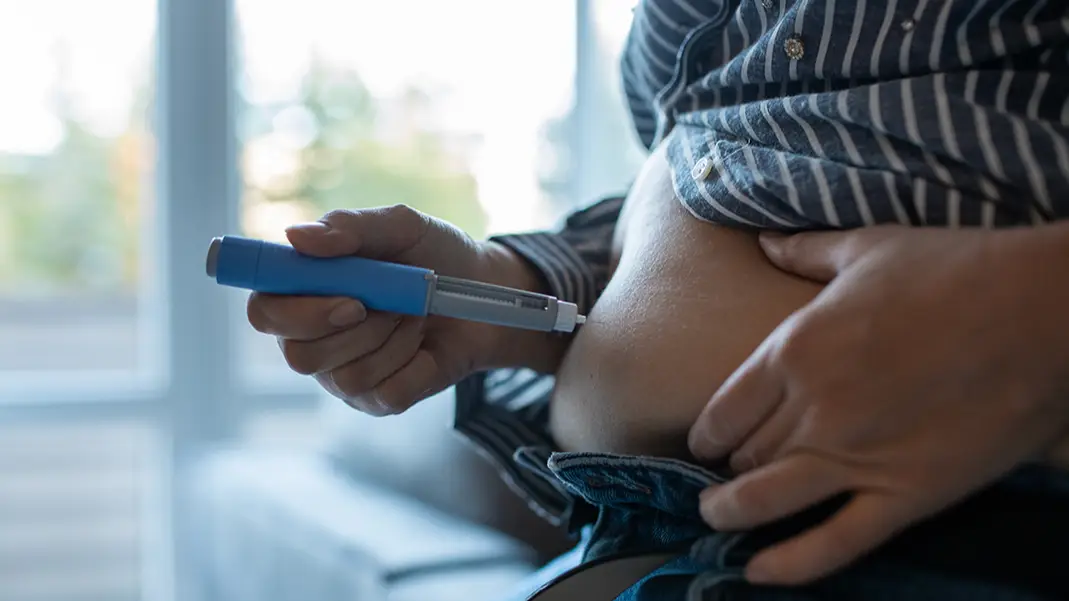
Expert issues warning about one of the main effects of weight loss drugs as it could have dangerous impact

An expert has issued a stark warning about one of the main effects of weight loss drugs.
Weight-loss injections like Wegovy and Mounjaro are widely used in society now. As of November 2025, one in eight Americans said they were using some kind of GLP-1 drug for weight loss, KFF reported at the time.
One of the main effects of these types of medications is appetite suppression. In Wegovy, the active ingredient that suppresses appetite is semaglutide, whereas in Mounjaro, the active ingredient is tirzepatide.
Dr Cecilia Low Wang, an expert on diabetes and weight loss drugs, said of Mounjaro (via UC Health): "It’s a completely new drug class. Unlike semaglutide (the active ingredient in Ozempic and Wegovy), which is a single-receptor agonist, Mounjaro activates two receptors simultaneously.
Advert
That’s why it’s called a 'dual-agonist'."
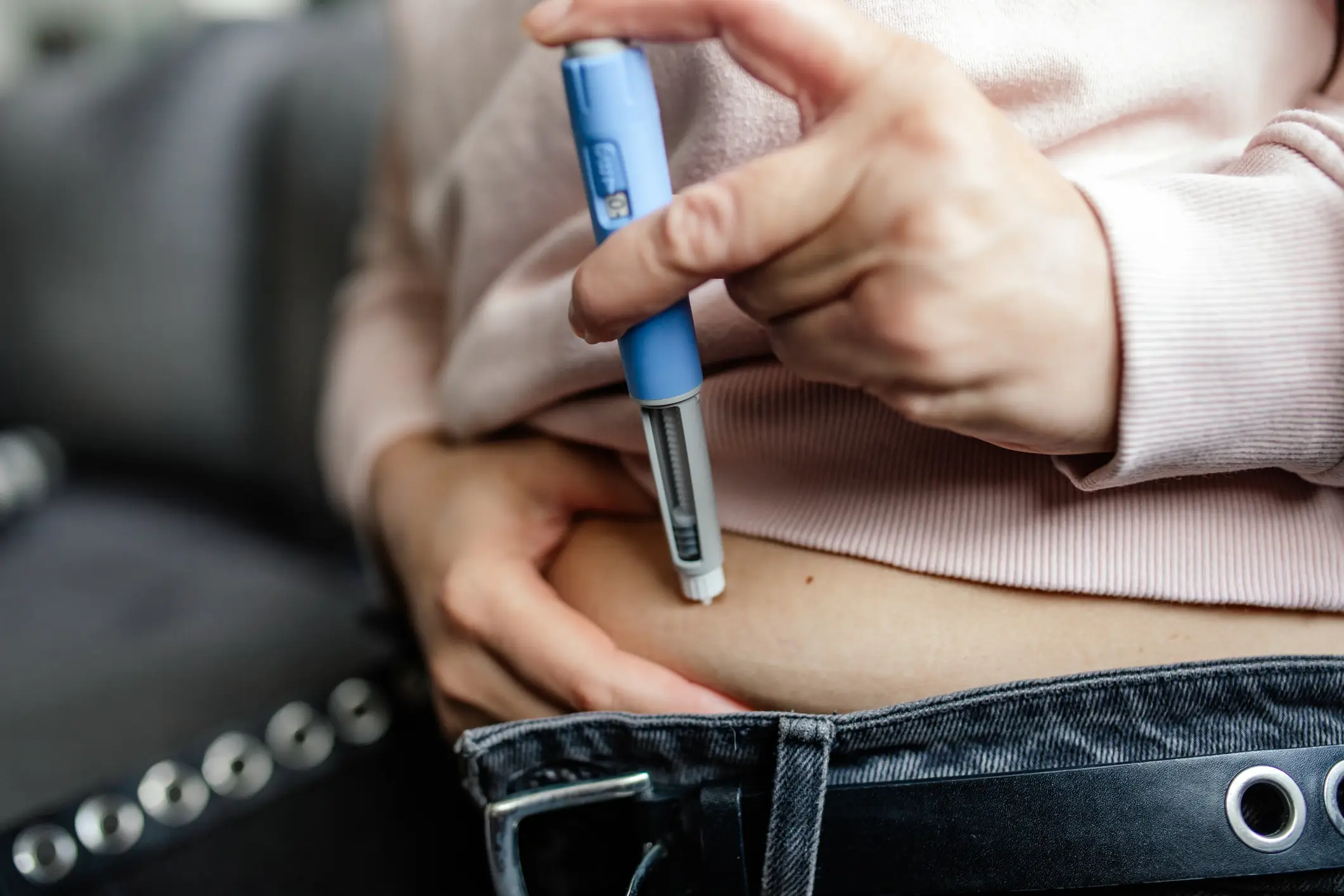
It should be noted that while Mounjaro is approved for weight management in the UK, it has not yet been approved by the FDA for weight loss in America. Mounjaro is available in the US to treat type 2 diabetes, however.
Wegovy is FDA-approved for weight loss purposes.
Whether it's tirzepatide or semaglutide, both of these ingredients have the same key objective: appetite suppression.
This can lead to some people reaching the desired goal of losing weight, but it can also have negative effects, warns Alexandra Brewis, PhD (an anthropologist and Regents and President’s Professor in the School of Human Evolution and Social Change at Arizona State University).
Writing for Psychology Today, Brewis discussed the issue of appetite suppression possibly leading to people developing disordered eating.
Cleveland Clinic says that this is 'a term that describes problematic eating behaviors that can be harmful to your health'.
She said: "Users often celebrate losing interest in food and describe relief from constant thoughts about eating, sometimes referred to as the quieting of 'food noise'.
However, many of the same behaviors associated with low appetite and food avoidance would be considered disordered eating in individuals with lower body weight.
"One user insightfully called the drugs 'doctor-approved anorexia'," Brewis said. "This creates a gray zone that complicates eating-disorder risk, prevention, and recovery.
"This is especially concerning as a barely-researched space in which substantial harms from the drugs are likely to accrue."
Per the Cleveland Clinic, some signs of disordered eating include: binge eating, severely restricting one's calorie intake, frequent dieting, and engaging in emotional eating.

In the wake of the concerns, Novo Nordisk (the maker of Wegovy and Ozempic) issued a statement to UNILAD that read: "Patient safety is of the utmost importance to Novo Nordisk. We recommend people take these medications for their approved indications only and under the supervision of a healthcare professional.
"Treatment decisions should be made together with a healthcare provider who can evaluate the appropriateness of using a GLP-1 based on assessment of a patient’s individual medical profile."
Eli Lily also issued a comment to UNILAD that read: "Patient safety is Lilly’s top priority. Mounjaro (tirzepatide) should only be used when prescribed by a licensed healthcare professional, and prescriptions should be fulfilled and supplied by registered pharmacies or providers.
"We encourage patients to consult their doctor or other healthcare professional to discuss any possible side effects they may be experiencing and to ensure that they are getting genuine Lilly medicine."
If you have been affected by any of the issues in this article and wish to speak to someone, contact National Association of Anorexia Nervosa and Associated Disorders (ANAD). You can reach them on their free hotline at 1(888)-375-7767, which is open Monday-Friday, 9am-9pm CST.
Topics: Mounjaro, Health, Mental Health, Ozempic
 Niamh Shackleton