Trump gives important update on military operation in Iran and hints at how long it will last

With conflict between Iran, Israel and the US getting underway many people have questions on how long America will be involved.
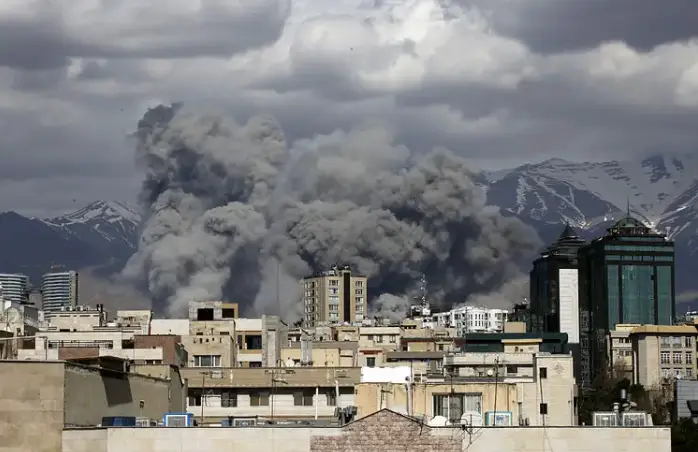
On February 28, both the US and Israel began bombing Iran’s capital, Tehran, as well as other cities in the early hours of the day.
As a result, Iran has reported 555 deaths and hundreds of casualties, including 180 deaths reportedly coming from a girl’s elementary school.
The attack on Iran, a mission known as ‘Operation Epic Fury’, was started in an alleged bid to target Iran's nuclear regime and destroy the country's ballistic missiles.
Advert
Following the strikes, Iran retaliated and fired off missiles and drone attacks to neighboring countries, targeting US bases.
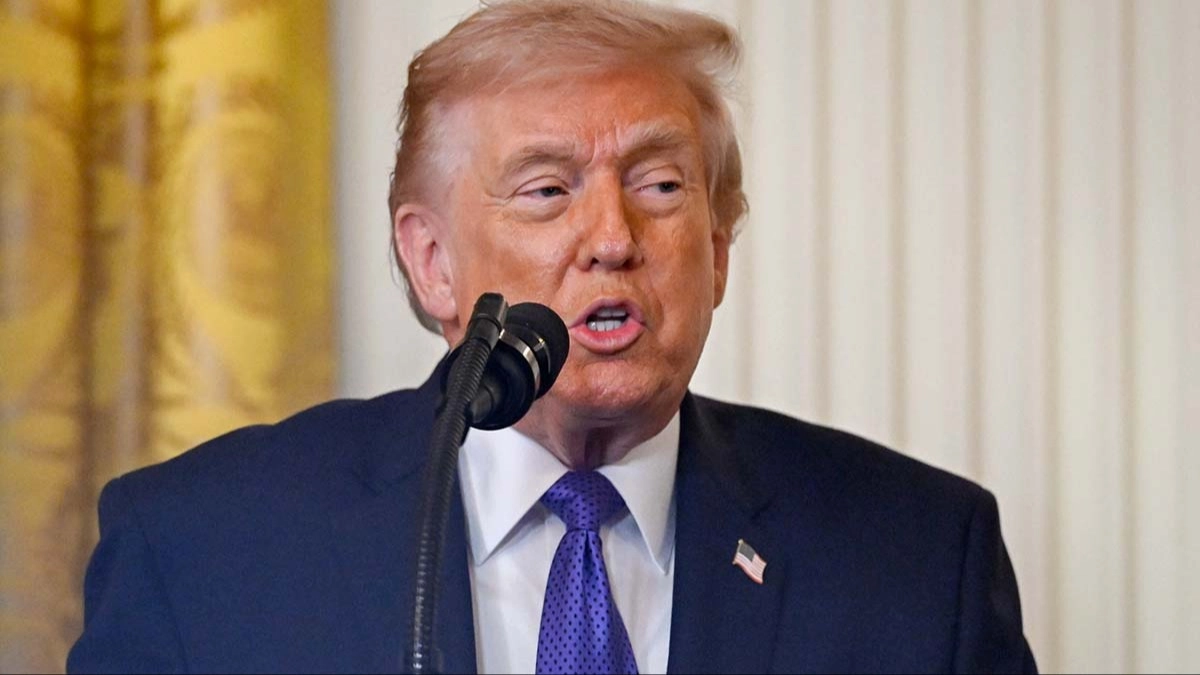
Speaking at the White House on March 2, Donald Trump gave some indication in how long the overall military operation will continue.
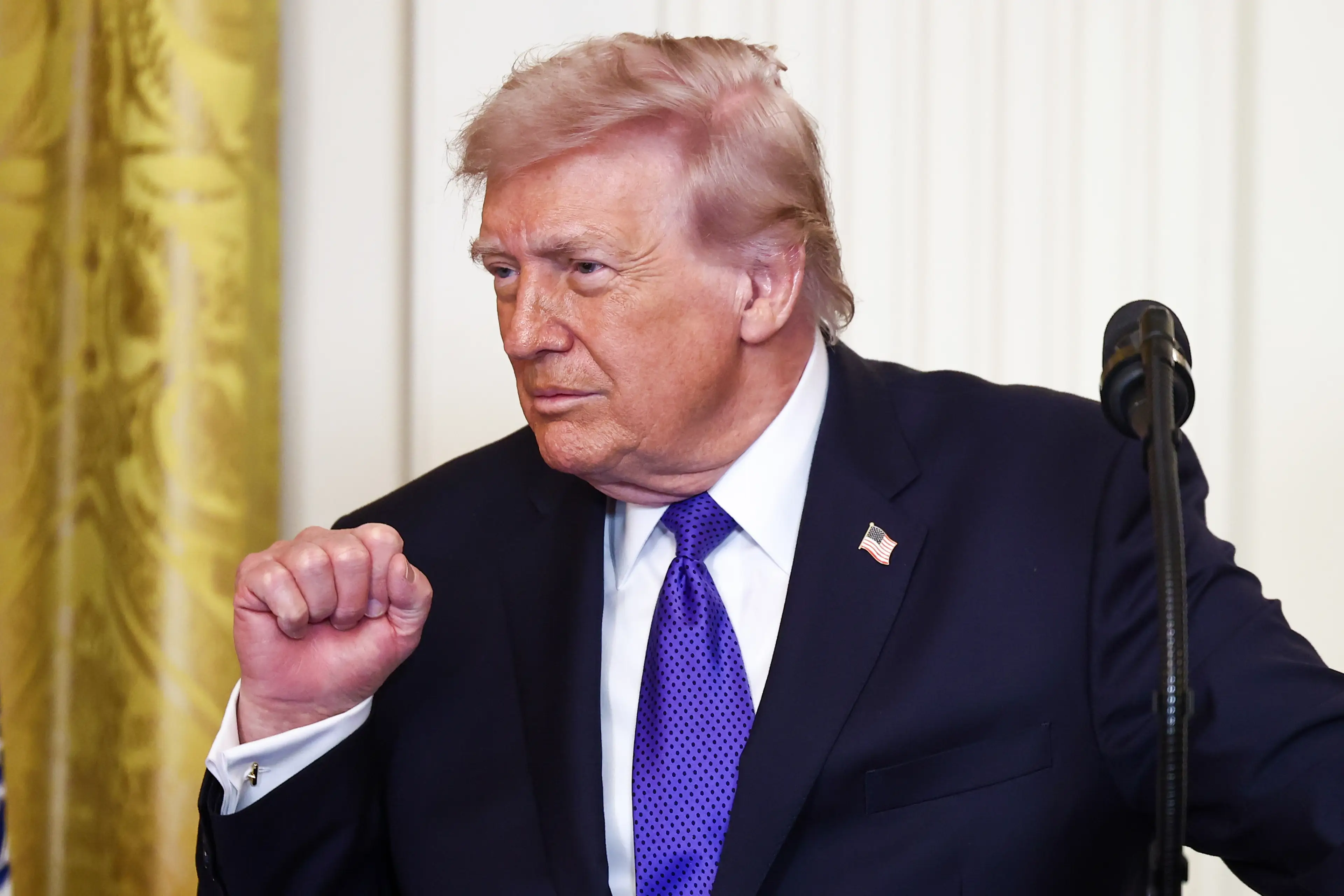
Noting that the US grieves the four service members who have so far lost their lives in the operation, he noted the nation is already ahead of schedule.
He said: “In their memory we continue this mission with ferocious, unyielding resolve to crush the threat this terrorist regime imposes on American people.”
He went on to add that the US is already ‘substantially ahead’ of its time projections. Trump explained that they projected four-five weeks at the beginning, but adds they have "capability to go far longer".
Trump has previously been somewhat vague on how long strikes will continue in the country however.
Speaking from his Mar-a-Lago residence, he said: “As one nation, we grieve for the true American patriots who have made the ultimate sacrifice for our nation, even as we continue the righteous mission for which they gave their lives.
“We pray for the full recovery of the wounded and send our immense love and eternal gratitude to the families of the fallen. And sadly, there will likely be more before it ends. That's the way it is. Likely be more.
“We'll do everything possible where that won't be the case, but America will avenge their deaths and deliver the most punishing blow to the terrorists who have waged war against, basically, civilization.
"Combat operations continue at this time in full force, and they will continue until all of our objectives are achieved."
Trump also noted that the US has strong ojectives but did not go into details regarding what they actually were.
Iran strikes: what you need to know
Why is the United States and Israel attacking Iran?
US President Donald Trump announced on Saturday (28 February) that the US and Israel have started 'major combat operations' in Iran after explosions were heard in multiple cities across the country.
Following a significant buildup of US forces in the region in recent weeks, Trump declared in a video posted on Truth Social that 'we are going to destroy their missiles and raze their missile industry to the ground'.
Alongside hundreds of civilian casualties - including at least 153 people and children after a reported strike hit a school in Minab - Iran's Supreme Leader Ayatollah Ali Khamenei was confirmed dead following Israeli missile strikes around Tehran.
According to Trump, the aim of this weekend's attacks were to 'ensure that Iran does not obtain a nuclear weapon'.
Meanwhile, in reference to Israel's retaliation strikes, the country's defence minister stated that the goal was to 'remove threats against the State of Israel'.
This has come after weeks of Trump threatening military action in Iran if the Middle Eastern country did not agree to a new deal over its nuclear programme. However, Iran has insisted repeatedly that its nuclear activities are 'entirely peaceful'.
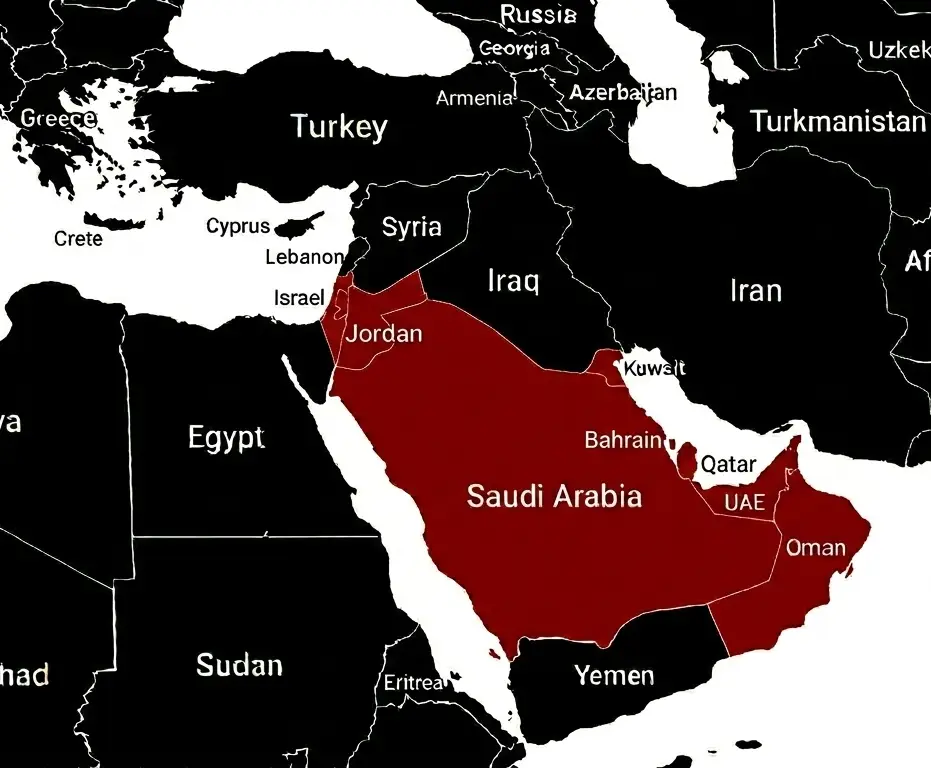
What areas of the Middle East have been affected?
In retaliation to the US and Israeli strikes, Iran has launched strikes of its own on Israel and Gulf Arab countries, which include Qatar, the UAE, Bahrain and Kuwait.
The BBC reports that at least nine people were killed in a strike on the Israeli city of Beit Shemesh, while military and civilian targets - including an American naval base in Bahrain and Dubai's international airport in the United Arab Emirates - were also targeted across the weekend.
Several videos have been posted on social media from tourists and civilians that show the damage inflicted across these areas from missile and drone strikes, including many British citizens who are currently stranded in Dubai.
Is the UK going to war with Iran?
This is a question that has been asked repeatedly since the major combat operation began in Iran, due to the nation being an ally of both the United States and Israel.
Prime Minister Keir Starmer confirmed that British planes were 'in the sky' in the Middle East as part of a defensive operation 'to protect our people, our interests and our allies', and condemned Iran's retaliatory attacks on 'partners across the region'.
While the UK did not participate in the strikes, Starmer released a joint statement with the leaders of France and Germany, calling for Iran to 'refrain from indiscriminate military strikes'.
"Iran can end this now," Starmer said. "They should refrain from further strikes, give up their weapons programme and cease the appalling violence and oppression of the Iranian people – who deserve the right to determine their own future."
However, the Secretary of State for Foreign and Commonwealth Affairs, Yvette Cooper, has said it is 'simply not true' that the UK is being dragged into another Iraq-style conflict in the Middle East.
While addressing a reported Iranian drone strike on a RAF base in Cyprus, she told Sky News on Monday, 2 March: "We took a very specific decision not to provide support for strikes that were taking place over this weekend. We have been clear that we believe there should be a diplomatic process, negotiations process."
Topics: Donald Trump, News, US News, Iran
 Gerrard Kaonga