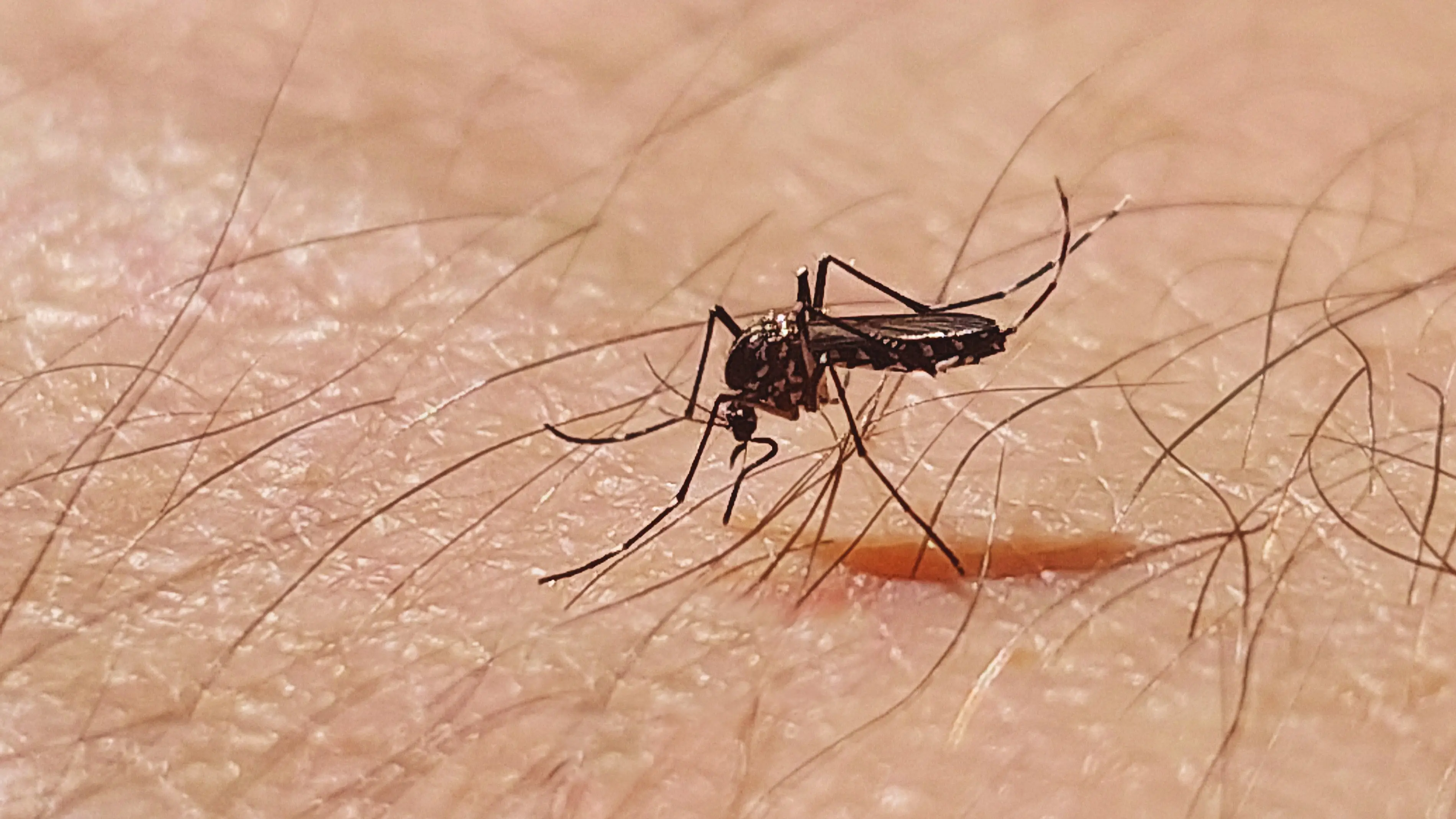
Google wants to release 32 million infected mosquitos in the US as plan is revealed

Google has confirmed plans to released 32 million mosquitos into Florida as part of a new plan.
It might sound like a scheme dreamt up in the mountain lair of a Bond villain, but the plan comes as part of a new public health initiative being pushed by the technology giant in Florida.
At present, Google is seeking federal approval for the scheme, which is working with a company called Debug.
While they might be small, mosquitos are one of the biggest killers in the world, being vectors for diseases malaria, West Nile virus, Zika, yellow fever, dengue, and St Louis encephalitis.
Advert
All of this actually makes one of the most dangerous animals to humans in terms of the sheer number of deaths they have caused.
Male mosquitos feed off plant sap, but for egg-carrying females this isn't enough, and they have to feed on blood to get the nutrients they need, including human blood.
So bearing that in mind, how does releasing tens of millions of them improve public health?
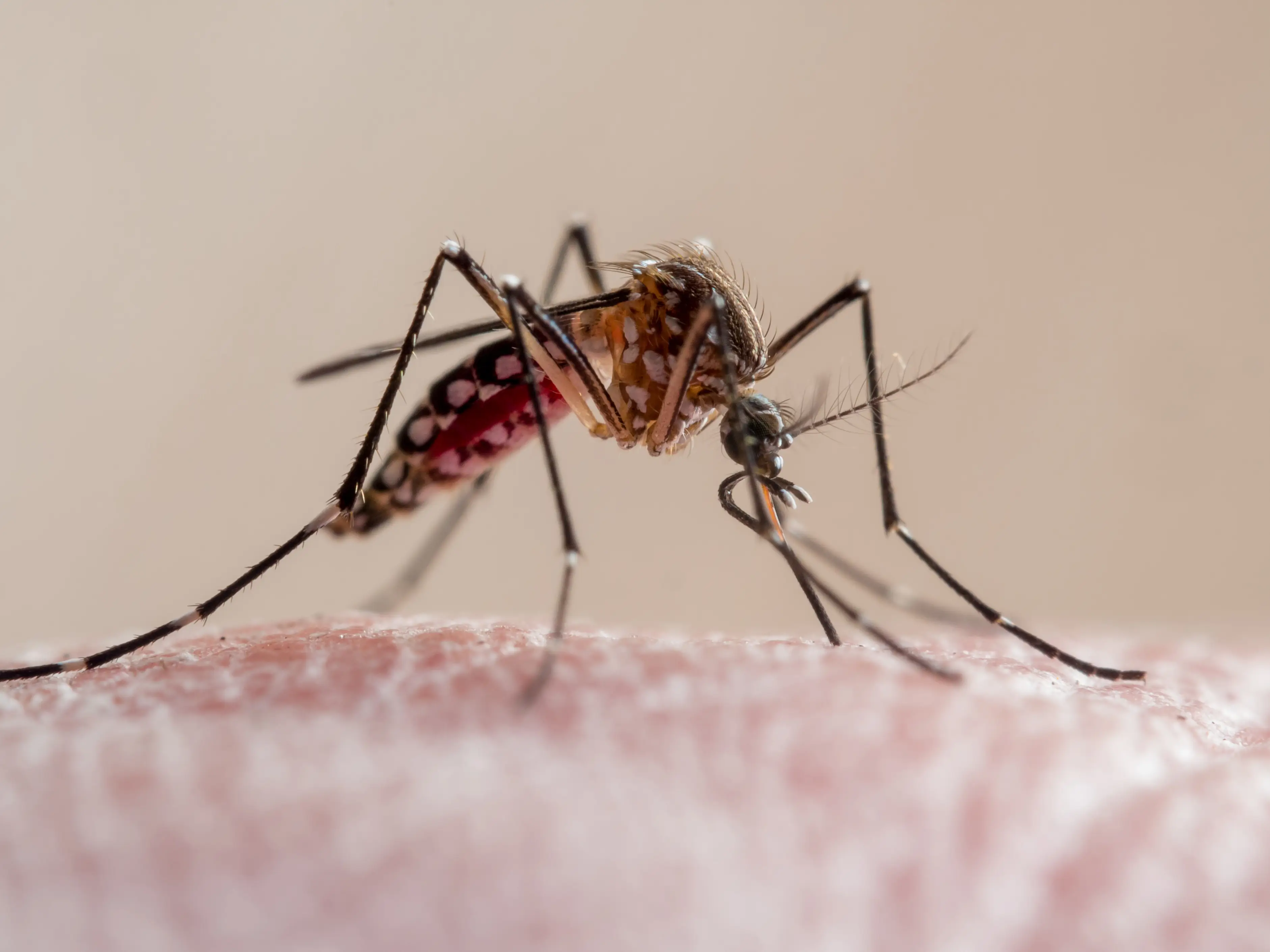
Well, it's to do with the mosquitos being released carrying a particular kind of disease, the parasitic bacteria Wolbachia, Metro reports.
The infection poses no risk to humans, and is naturally present in a lot of species of insect from bees to butterflies.
But in in mosquitos the bacteria goes into the mosquito's reproductive system, with an infected female then passing the infection onto any offspring.
Of course, that is if the offspring actually hatch out of the eggs at all, because the infection can make the eggs non-viable.
So the aim is to spread the infection into the population of wild mosquitos with a view to reducing the overall population, and in turn the public health risk, and it's called the Sterile Insect Technique.
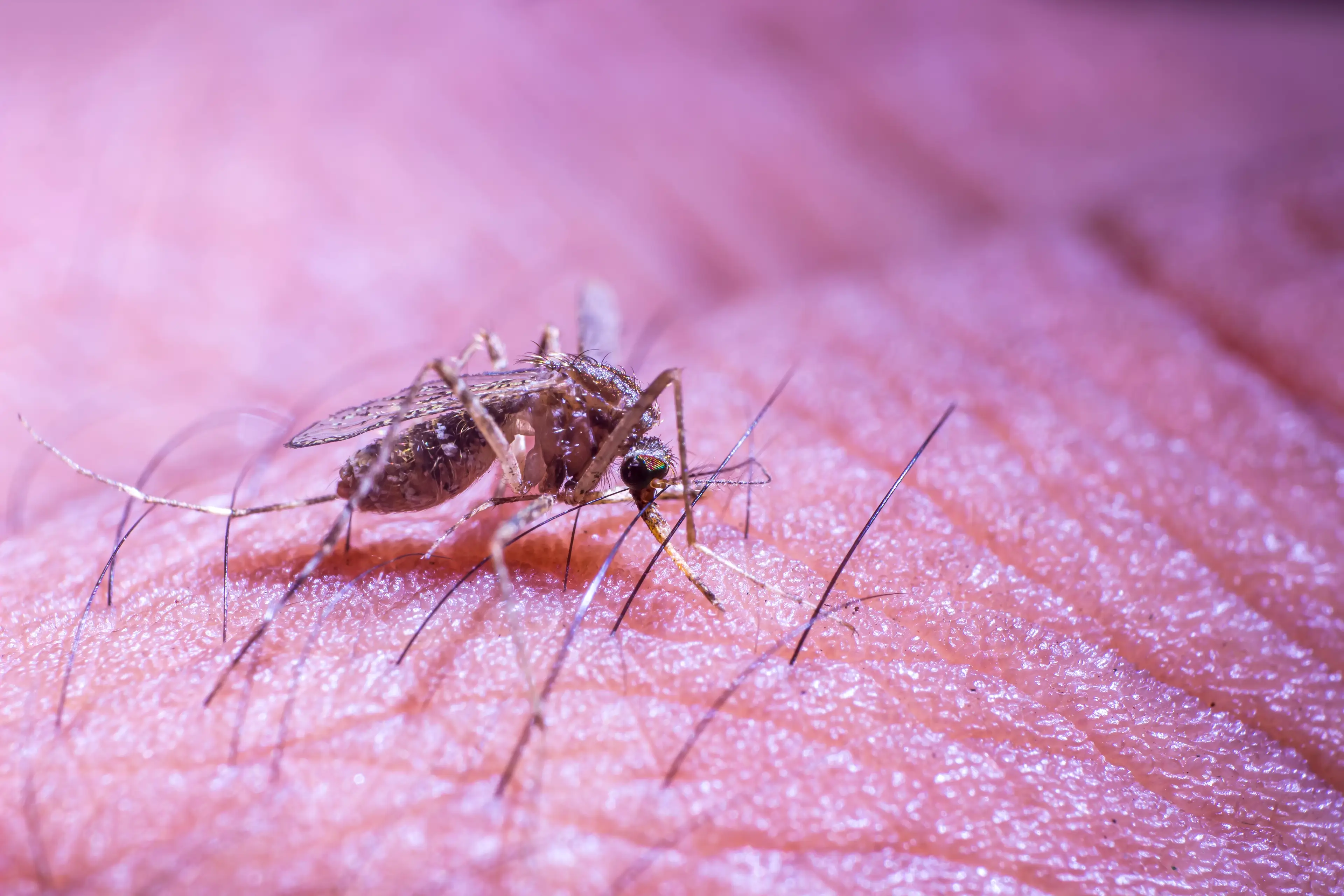
The website for Debug says: "We’re combining the Debug team’s scientific and engineering expertise with the help of international partners to raise and release lots of good bugs and stop bad mosquitoes that can spread disease."
Nonetheless there have also been some concerns over the project, including Florida resident Brent Nye, who told 10 Tampa Bay News: "I’m not sure whether I would want them in my backyard because there are going to be a lot of things that go wrong."
Alphabet, Google's parent company, first launched Debug back in 2016, and the frequently asked questions page on its website says that it is 'actively working with organisations like national and local governments, community leaders and research institutes’ to ensure it ‘understands local concerns and considerations'.
But the plan has not been green lit yet, and is being reviewed by the Environmental Protection Agency, where Google has submitted an Experimental Use Permit application.
 Kit Roberts