Expert warns Super El Niño could increase hantavirus cases this summer

Scientists have warned that a predicted Super El Niño could make the chances of further hantavirus outbreaks more likely.
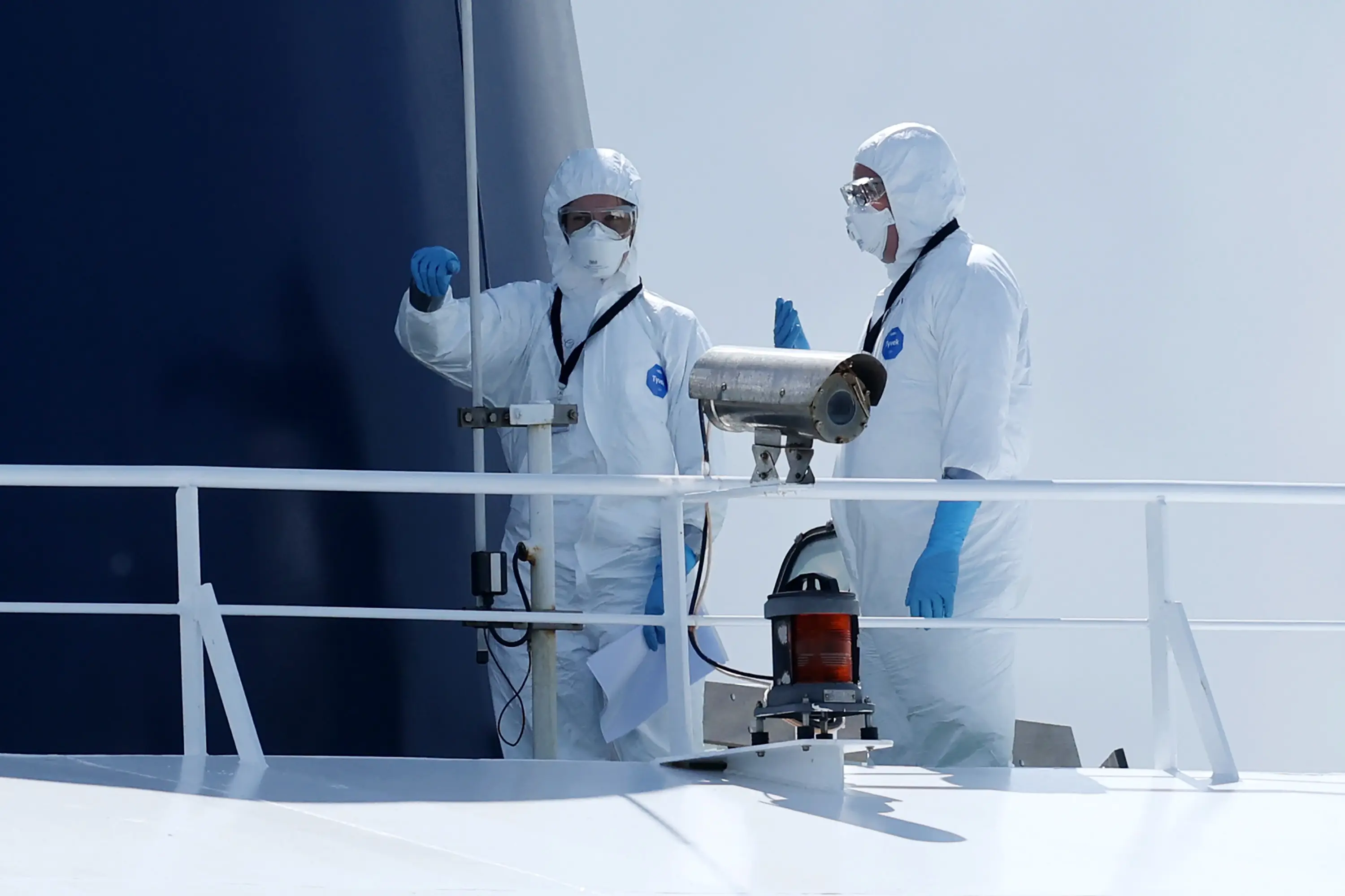
The condition was recently detected on the cruise chip MV Hondius, and according to the World Health Organisation as of May 21, 13 cases including three deaths were reported from the condition.
The outbreak was met by a co-ordinated international response, but now experts have warned that a possible Super El Niño this year could increase the chance of a further outbreak.
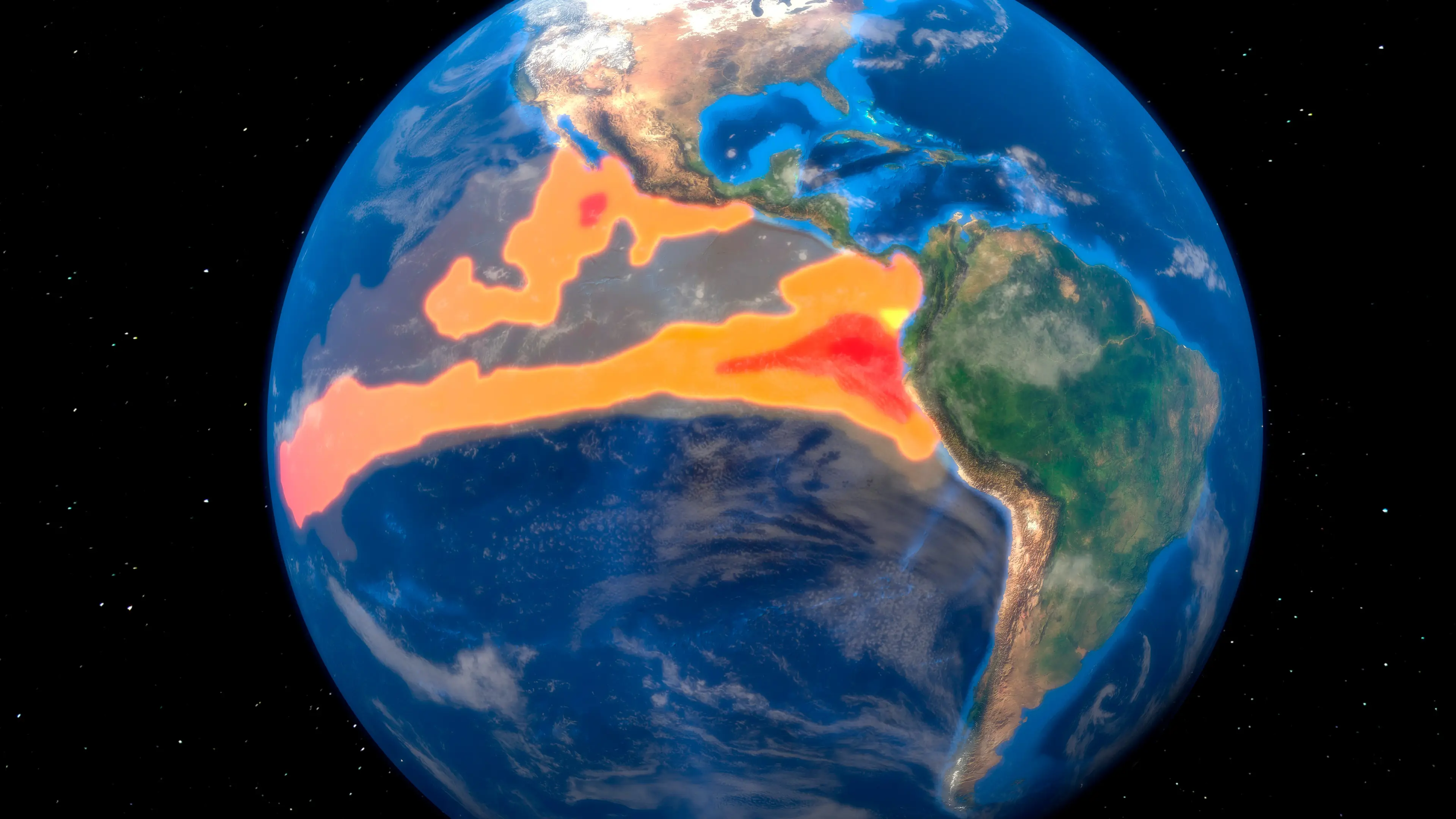
El Niño is a naturally occurring phenomenon which is rooted in the surface temperature of the ocean, with a 'super' El Niño being when this gets above a certain level.
Advert
The phenomenon can have a profound impact on the weather, including making extreme weather events more likely, and depending on the context this might be anything from drought to floods.
So how could a phenomenon which has a big impact on the weather be linked to the outbreak of a deadly disease?
Well, this is because the El Niño altering the environmental conditions could impact on the way that hantavirus replicates and spreads.
Hantavirus is spread by contact with animals such as rats, mice, and deer, and if the weather leads to more plants growing, and more food and shelter for these vectors, that's something that spreads a disease without suffering from it.
If you have more vectors for the disease, then there's a greater likelihood that the disease will start to spread.
Stephanie Seifert is am associate professor at Washington State University, and told Newsweek: “There’s a classic idea of a 'trophic cascade' linked to the Four Corners outbreak: more rain leads to more vegetation, more vegetation supports more rodents, and more rodents can increase hantavirus risk.
“This was largely supported by Yates et al. in 2002, where they found evidence of increased risk of HPS incidence following high precipitation events associated with El-Niño in the southwestern United States.”
Nonetheless, she added that rainfall is not the only factor which could lead to an increase in deer and mice.
Experts have predicted a high chance of El Niño this year, including an 82 percent chance between May and July, and then a 96 percent chance of the phenomenon continuing across the northern hemisphere between December 2026 and February 2027.
Although El Niño is not caused by climate change the effects of climate change can lead to the effects of El Niño being exacerbated.
Topics: World News, Weather, Health
 Kit Roberts