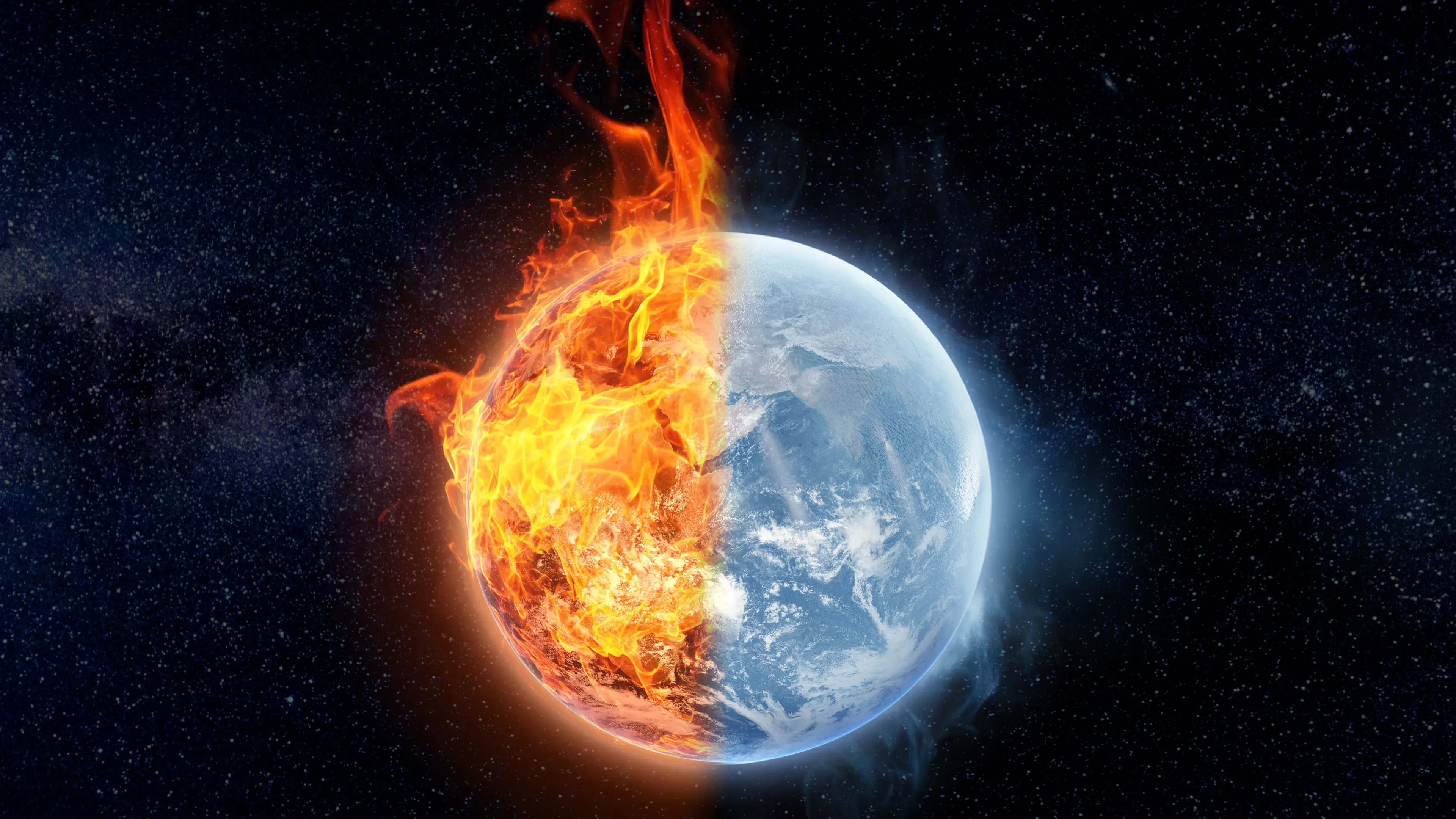
Scientist addresses what you need to know about 'Super El Niño' and exactly when it could hit

As talk of a potential ‘Super El Niño’ ramps up online, many people are wondering what it actually means, and whether they should be worried.
According to the National Oceanic and Atmospheric Administration (NOAA) climate scientist Michelle L’Heureux, one of the world’s leading experts on El Niño, there’s a lot of misunderstanding around the term.
Although El Niño is a naturally occurring phenomenon and is not directly caused by climate change, the impact of climate change may exacerbate the effect of El Niño on both humans and the natural environment when it happens.
Here’s all you need to know.
Advert
Despite how dramatic it sounds, NOAA doesn’t officially recognize a category called 'Super El Niño'.
L’Heureux, who leads the El Niño–Southern Oscillation (ENSO) team at the NOAA Climate Prediction Center in Maryland, explains that scientists instead classify El Niño events by strength, ranging from weak to very strong.
Each month, NOAA releases an updated ENSO outlook, showing the probability of different intensities forming. In the latest update on 14 May, scientists said there’s still significant uncertainty about how strong the next El Niño could become.
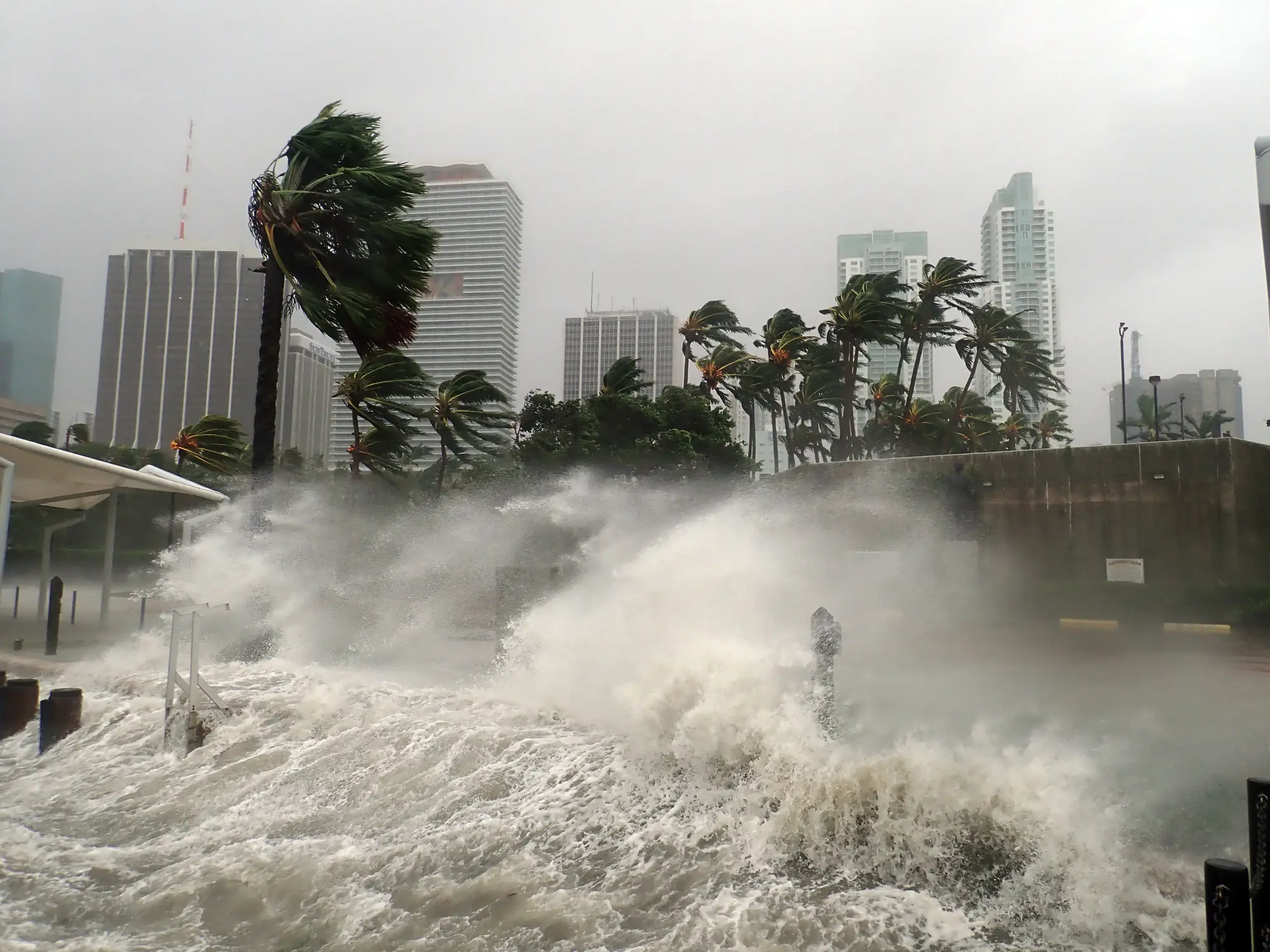
When is the El Niño coming to the USA?
What is known so far is that El Niño is expected to form sometime between May and July 2026.
El Niño isn’t something that can be declared instantly and with any certainty.
Experts monitor both sea surface temperatures in the east‑central tropical pacific and atmospheric changes, including winds, pressure and rainfall.
When both the ocean and atmosphere shift in a clear and consistent way, NOAA issues an official El Niño Advisory. The strength of the event is then tracked mainly by how much warmer than average the tropical pacific becomes.
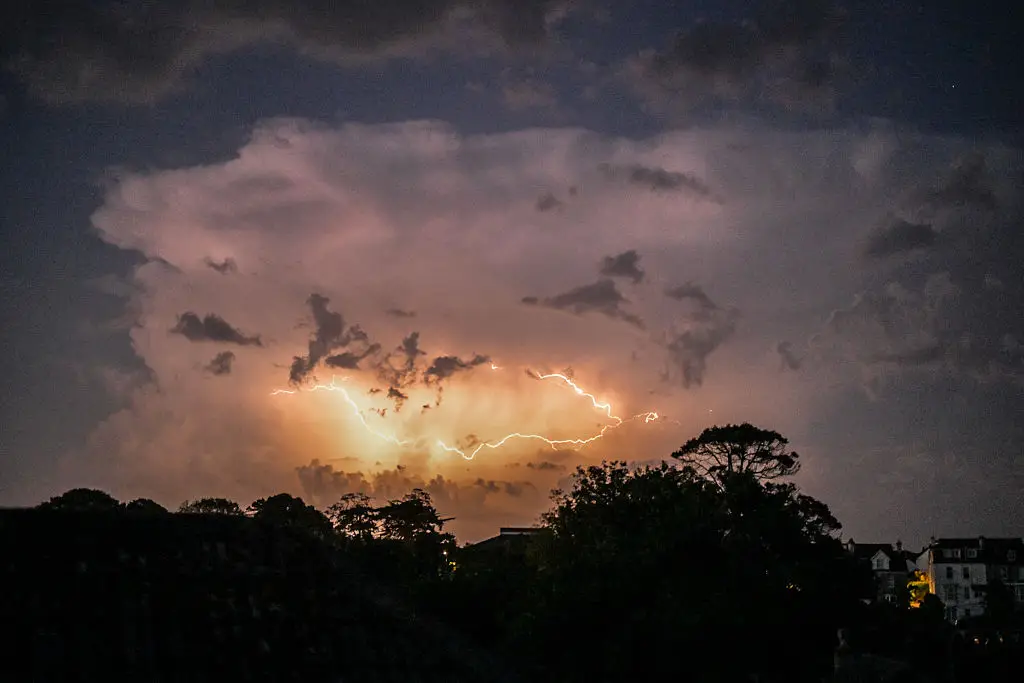
What kind of impacts can El Niño have?
El Niño can shift weather patterns across the entire globe, influencing temperatures, rainfall, droughts and storm activity.
Some regions may experience things like: increased rainfall and flooding, drier‑than‑average conditions elsewhere, changes to hurricane activity or warmer or cooler seasonal temperatures.
However, L’Heureux stresses an important point: a stronger El Niño doesn’t automatically mean more extreme weather everywhere.
She told UNILAD: "It's important to keep in mind that the strength of El Nino is not necessarily related to the magnitude of the impact.
"A stronger El Nino does not always mean stronger rainfall over someone's house. El Nino is not a weather system or storm.
"But stronger events can modify the global atmospheric circulation in ways that increase the odds for certain outcomes.
"Certain impacts may become more likely with a stronger event than a weaker event, so it is an opportunity to prepare."
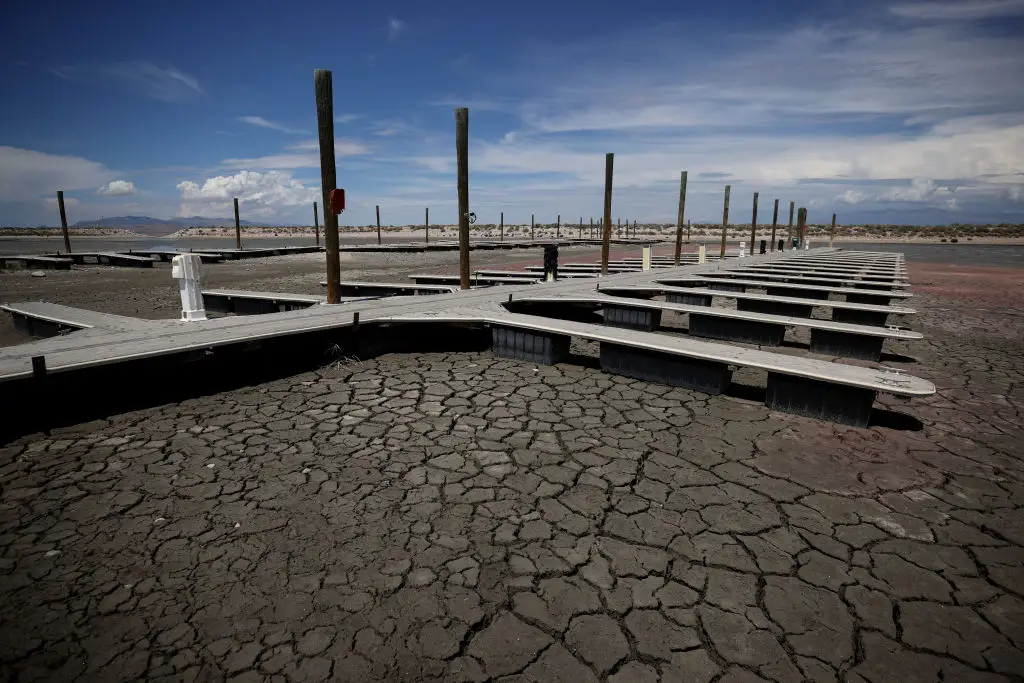
How to prepare for a Super El Niño?
Because these events develop months in advance, scientists can provide early guidance to help communities assess risk.
NOAA recommends:
- Checking seasonal outlooks for temperature and rainfall trends
- Following 3–4 week, 8–14 day, and 6–10 day forecasts for shorter‑term planning
- Relying on local weather forecasts for daily conditions
Staying informed allows residents, emergency planners and businesses to prepare for potential impacts well before they arrive.
 Thomas Bamford