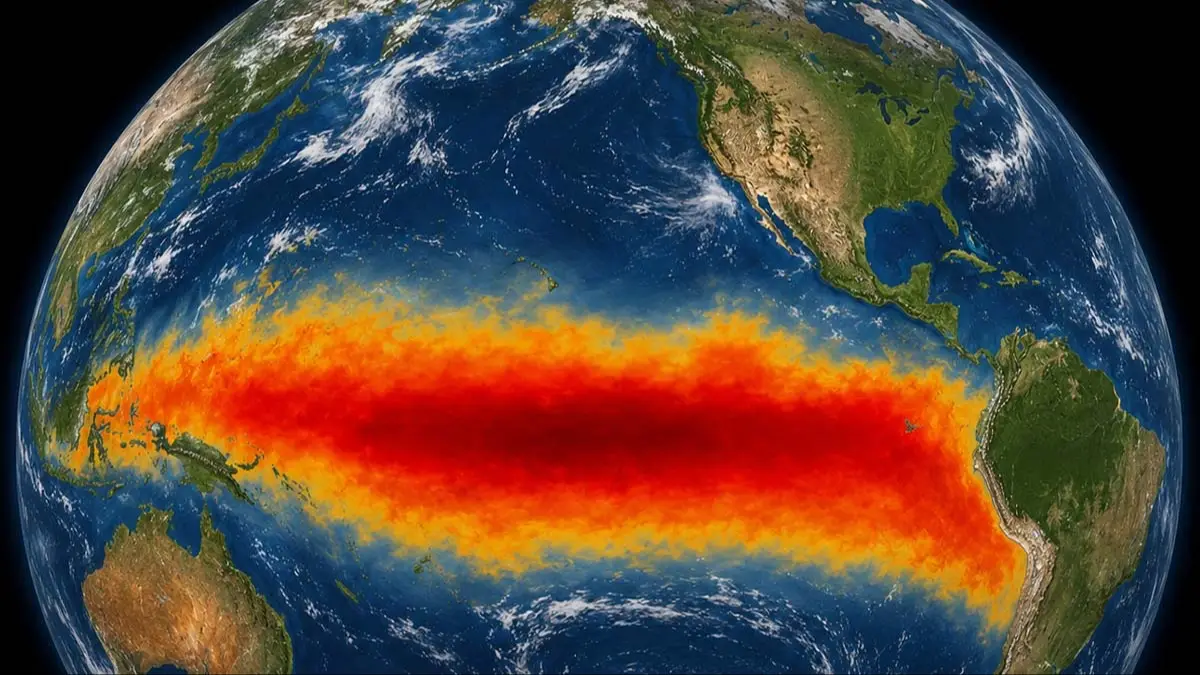
Four ways 'Super El Niño' could impact you as experts say chances of it happening increase

Experts have warned that the next 'super El Niño' could arrive as early as mid-late 2026, but here's four ways it could impact you.
An El Niño weather event appears approximately every two to seven years, typically lasting 12 to 18 months.
It's a natural climate pattern that happens when the surface waters in the central and eastern Pacific Ocean become warmer than usual, leading to an increased likelihood of both hotter, record-breaking summer temperatures and colder, windier winter weather.
And the US National Oceanic and Atmospheric Administration (NOAA) says there is an 80 percent chance of El Nino developing by July 2026.
Advert
Environment and Climate Change Canada (ECCC) has further forecasted that 2026 'will likely be among the hottest years on record'.
Global News chief meteorologist Anthony Farnell said: "Our planet has never been this warm and that, it’s partly because of climate change but also the super El Niño.
But the expert warned that the extreme weather event could impact people in four specific ways.
Food production
Farnell warned that Canada in particular could face challenges surrounding food production as a result of the climate event.
He said: "We get a lot of our food from different parts of the world, whether it be coffee beans or chocolate or oranges or really anything. It comes from areas that are more susceptible.
"This can affect commodity process and potentially lead to food insecurity in severely impacted regions."
Flooding
Kent Moore, a physics professor at the University of Toronto, also warned: "If you have a bad or a really heavy rainfall event, you could see localized flooding happening.
"Certainly, in coastal regions of California, there’s probably lots of flooding, and then in the high mountains there could be lots of snow."
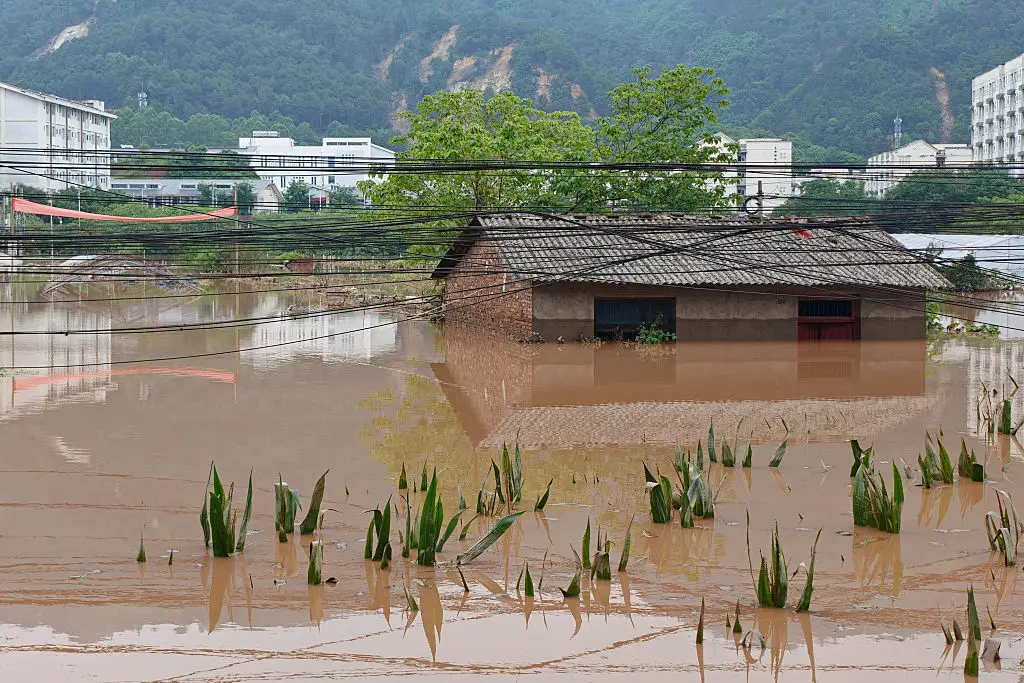
He added that it might lead to 'avalanches', though patterns are often unpredictable.
Fires and health issues
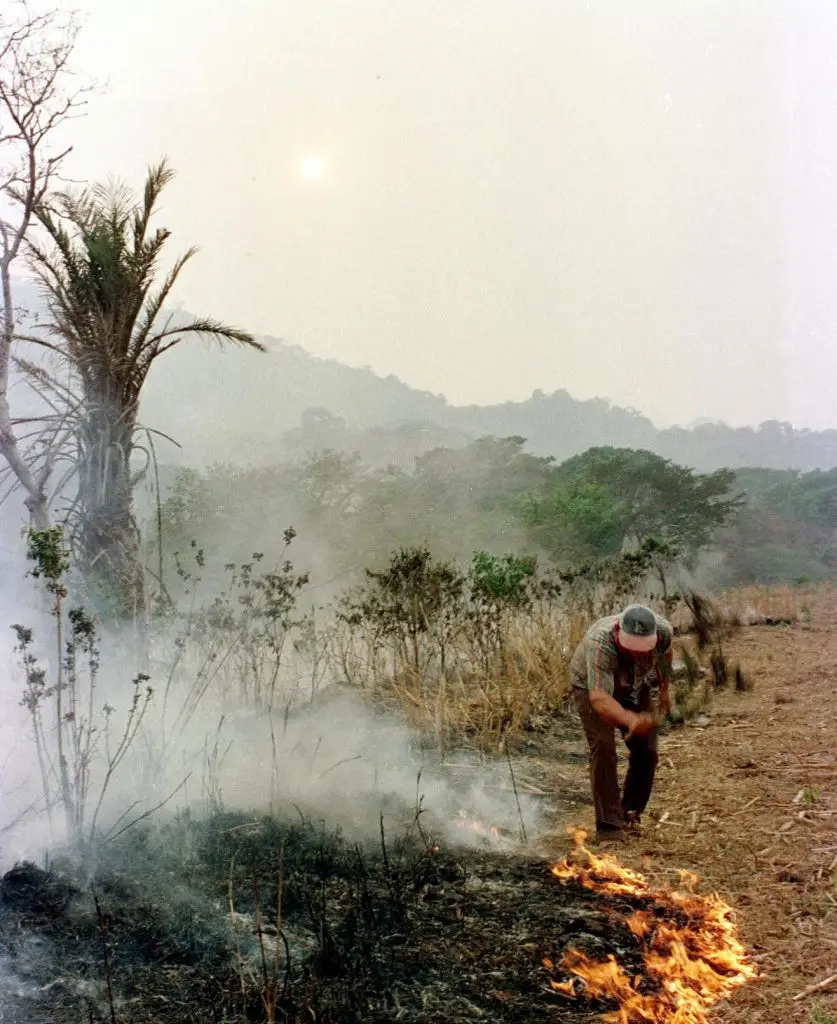
Expert Farnell warned that if things do 'dry out', that smoke from forest fires could pose several health risks.
"[It's associated with] an increased risk of premature mortality and adverse respiratory effects, including exacerbation of asthma and [chronic obstructive pulmonary disease] COPD."
Coral reefs
Already damaged due to climate change, Farnell said that scientists have noted a 'big increase' in relation to El Niños and deteriorating coral reefs.
He claimed: "The big rise in temperature, in some cases five or six degrees Celsius rise in the temperature in a short period of time, is too much for marine life to adapt to."
Topics: Environment, World News, Weather
 Mia Williams