
Prostate cancer symptoms explained as Joe Biden's wife admits she was 'shocked' by husband's diagnosis

Jill Biden opened up about how she was 'shocked' her husband Joe Biden's diagnosis with prostate cancer.
Biden was diagnosed with stage IV prostate cancer in May 2025, an advanced stage which left Jill astonished given the high level of scrutiny on Biden's health when he was president.
Stage IV means that the cancer is more developed and had been there for longer than if it had been a lower stage.
Speaking in her new memoir, the former US First Lady said: "You put the president in bubble wrap, and he ends up with stage IV prostate cancer? It made no sense."
Advert
To make matters worse, Jill then went on to say how she and her husband had been accused of concealing the illness, writing: "We couldn't dwell in the grief because we were put immediately on the defensive, accused of having hidden his illness."
Biden has since been undergoing an experimental treatment for his cancer.
But what are the symptoms of prostate cancer?
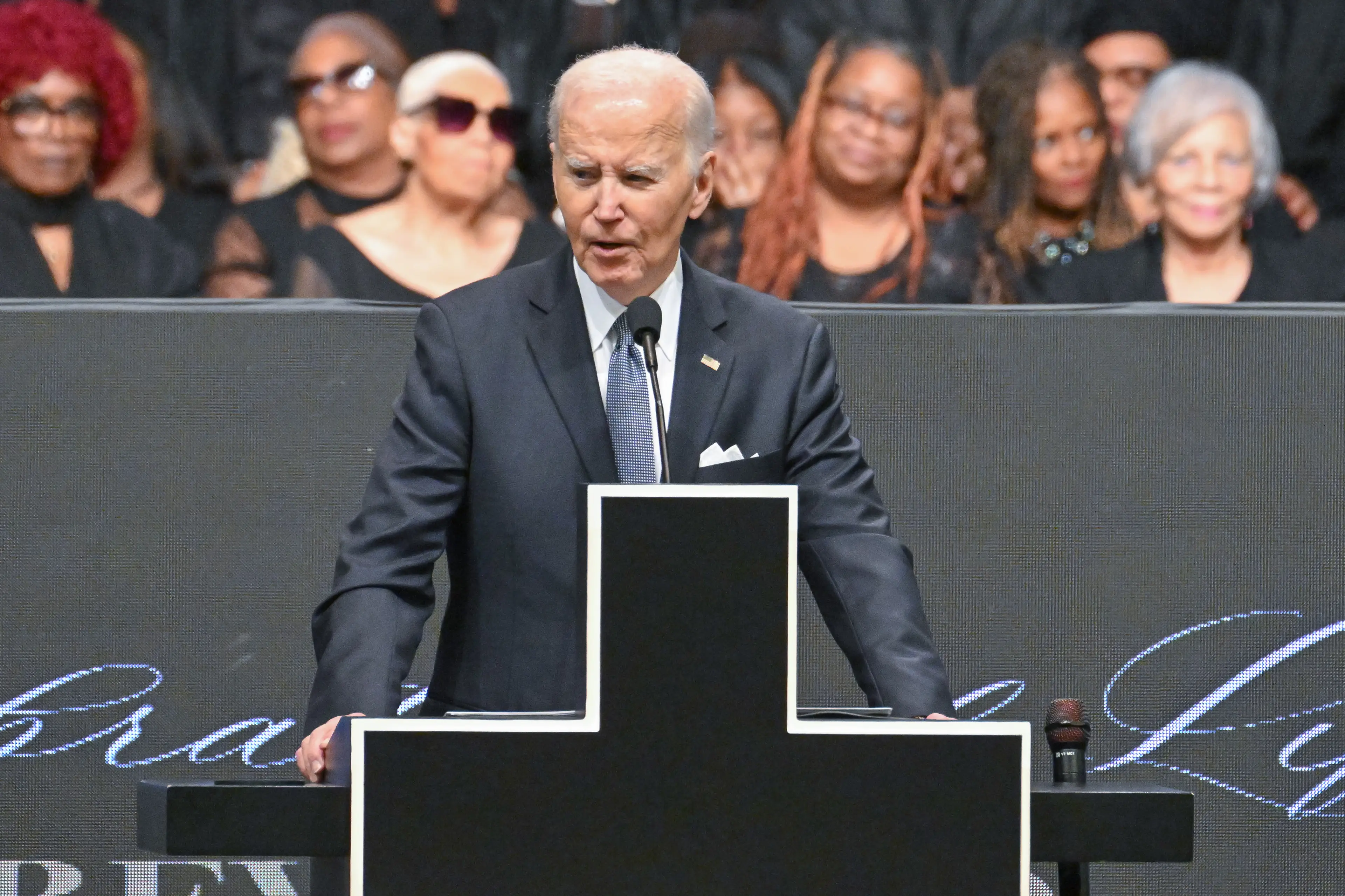
Prostate cancer can be difficult to spot because a lot of the symptoms could be mistaken as being the result of another medical condition.
Whereas something like a new, persistent cough could be a clear and easily spotted sign of lung cancer, or a lump in the breast to testes could be a sign, the symptoms for prostate cancer are already quite common.
According to Mayo Clinic, in the early stages of prostate cancer symptoms can include blood in your pee or semen.
You might also notice that you need to urinate more often, including waking up in the night to go to the toilet, and also find it difficult to start urinating when you need to go.
These symptoms might seem innocuous, but if you start to notice them it's important to speak to your doctor.
As the disease progresses the symptoms may also change, and new ones could start to appear.

At a more advanced stage you may notice pain in the back and bones, erectile dysfunction, tiredness, or weakness in your arms and legs.
You may also have urine leaking accidentally and unexplained weight loss.
The nature of the symptoms also makes going for regular screenings for prostate cancer important, particularly if you are in a patient group which is at a heightened risk.
According to Mayo Clinic, these factors include age, with people over 50 being at a higher risk, family history, obesity, smoking, and exposure to chemicals such as arsenic or Agent Orange.
Black people also have a heightened risk of prostate cancer than people from other ethnicities.
So if you fall into any of these groups, getting regular screenings is a good way to ensure that hard to spot symptoms aren't missed.
 Kit Roberts