
Symptoms of thyroid cancer as Pam Bondi reveals diagnosis

Here are the symptoms of thyroid cancer to be aware of after former US Attorney General Pam Bondi revealed she'd been diagnosed with the disease.
Bondi told multiple outlets, including CBS and CNN, that she'd received her cancer diagnosis shortly after she was removed from the Justice Department at the start of April.
The former attorney general, 60, went on to confirm that she's undergone surgery for the health condition in recent weeks, telling CNN she was 'doing well, though'.
In a statement provided to UNILAD on Wednesday (May 27), Vice President JD Vance said: "Pam has been an enormously valuable asset to the president's team, and I'm thrilled for her and for all of us that she's going to remain involved in confronting some of the most important issues the administration faces."
Advert

Todd Blanche took on the role of acting attorney general after President Donald Trump ousted Bondi from the position last month. However, she's set to join the Presidential Council of Advisors on Science and Technology amid her diagnosis.
What are the symptoms of thyroid cancer?
The Mayo Clinic explains that thyroid cancer 'is a growth of cells that starts in the thyroid', which is typically treatable if caught early.
While some with the disease may not develop symptoms to begin with, there are a number of complications to be aware of.
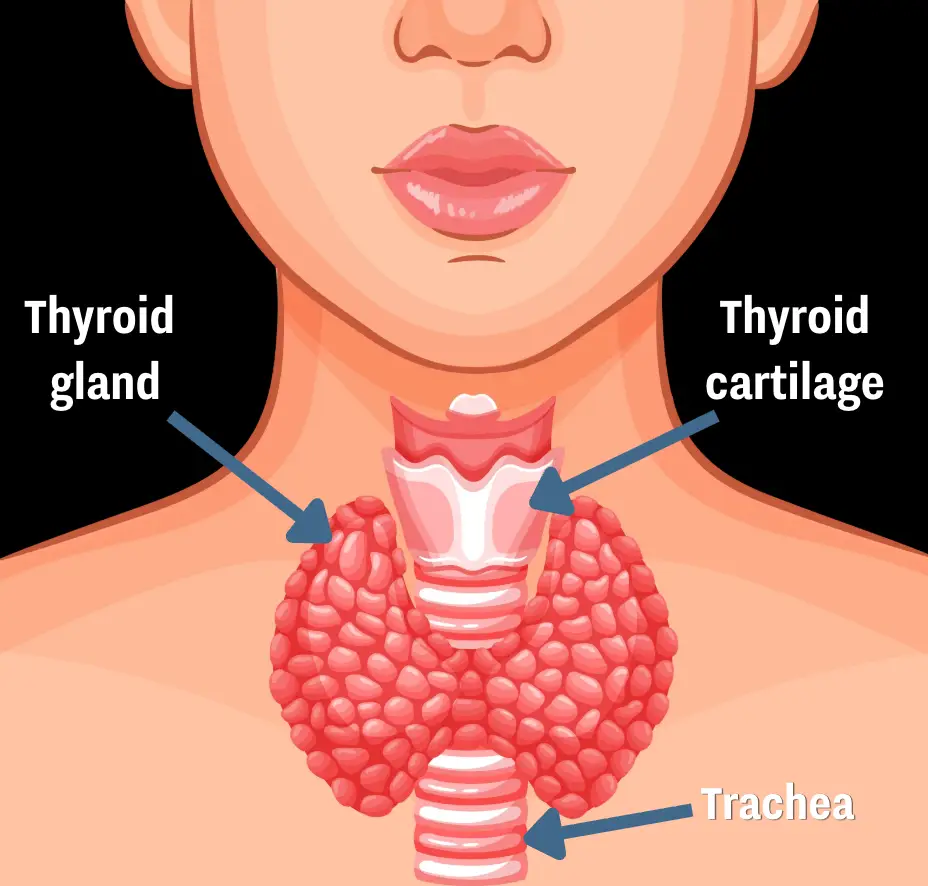
According to Columbia University's Herbert Irving Comprehensive Cancer Center, symptoms of thyroid cancer can include:
- A lump in your neck, called a nodule
- Swollen lymph nodes in your neck
- Changes in your voice, including hoarseness
- Trouble swallowing or breathing
- Throat or neck pain that can extend to your ears
- Coughing that’s not related to an upper respiratory infection
- Coughing that is not related to a cold
How common is thyroid cancer?
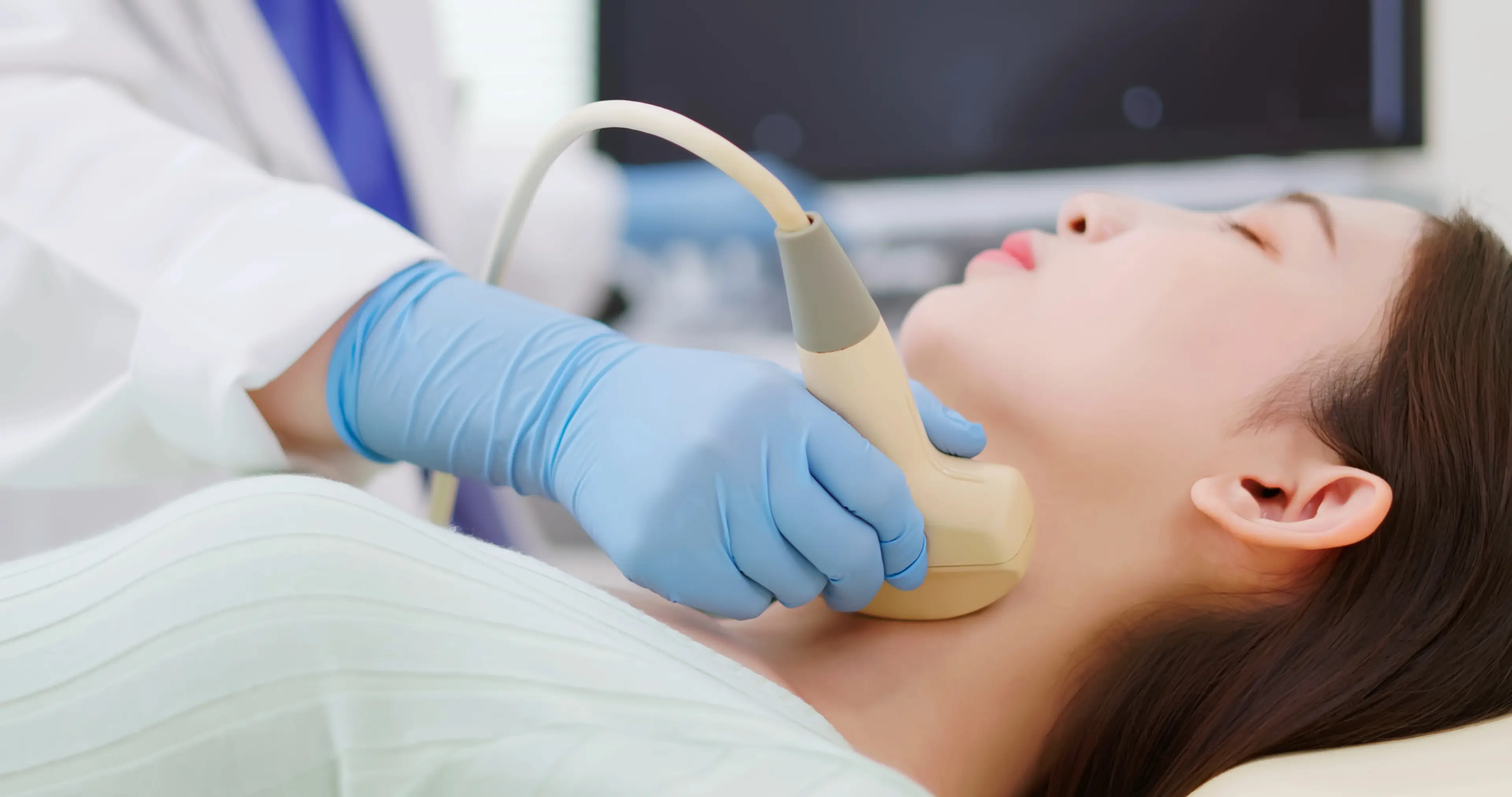
Thyroid cancer is said to account for around 2.1 percent of all new cancer cases in the US.
The American Cancer Society estimates that around 45,240 new cases of the disease will be diagnosed this year, with the majority of them (32,000) being in women.
It is most common in women who are in their 40s and 50s, while men are more likely to get thyroid cancer in their 60s and 70s.
Columbia University's Herbert Irving Comprehensive Cancer Center adds: "Most people who have thyroid cancer have no genetic mutations or family history. However, certain cancers are more likely than others to be an inherited type of cancer.
"For example, about 20% of medullary thyroid cancers start from an inherited gene. These cancers are called familial medullary thyroid carcinoma. They can start in childhood or early adulthood and spread early. Some people who have thyroid cancer have an inherited syndrome called Cowden disease."
If you’ve been affected by any of these issues and want to speak to someone in confidence, contact the American Cancer Society on 1-800-227-2345 or via their live chat feature, available 24/7 every day of the year.
 Callum Jones