
Unearthed texts show Mackenzie Shirilla discussed blackouts weeks before fatal crash

Since Netflix dropped The Crash on May 15, the Mackenzie Shirilla case has barely been out of the headlines.
Authorities have been inundated with public records requests as attention surges around the 2022 Strongsville crash, and this week alone brought fresh disciplinary records from prison, reports of a sexually explicit video call behind bars, and a new appeal filing with the Ohio Supreme Court.
Through all of it, Shirilla has maintained the same defence: that she didn't deliberately drive her Toyota Camry into a brick wall at nearly 100 mph, killing boyfriend Dominic Russo and their friend Davion Flanagan, but blacked out due to POTS, a condition affecting the autonomic nervous system that can cause dizziness and sudden loss of consciousness.
Her attorneys are now pushing a fresh appeal, arguing a calendar mix-up caused them to miss a filing deadline by a single day after failing to account for 2024 being a leap year.
Advert
Now, newly surfaced text messages are adding another layer to that medical defence, and they go right to the heart of it.
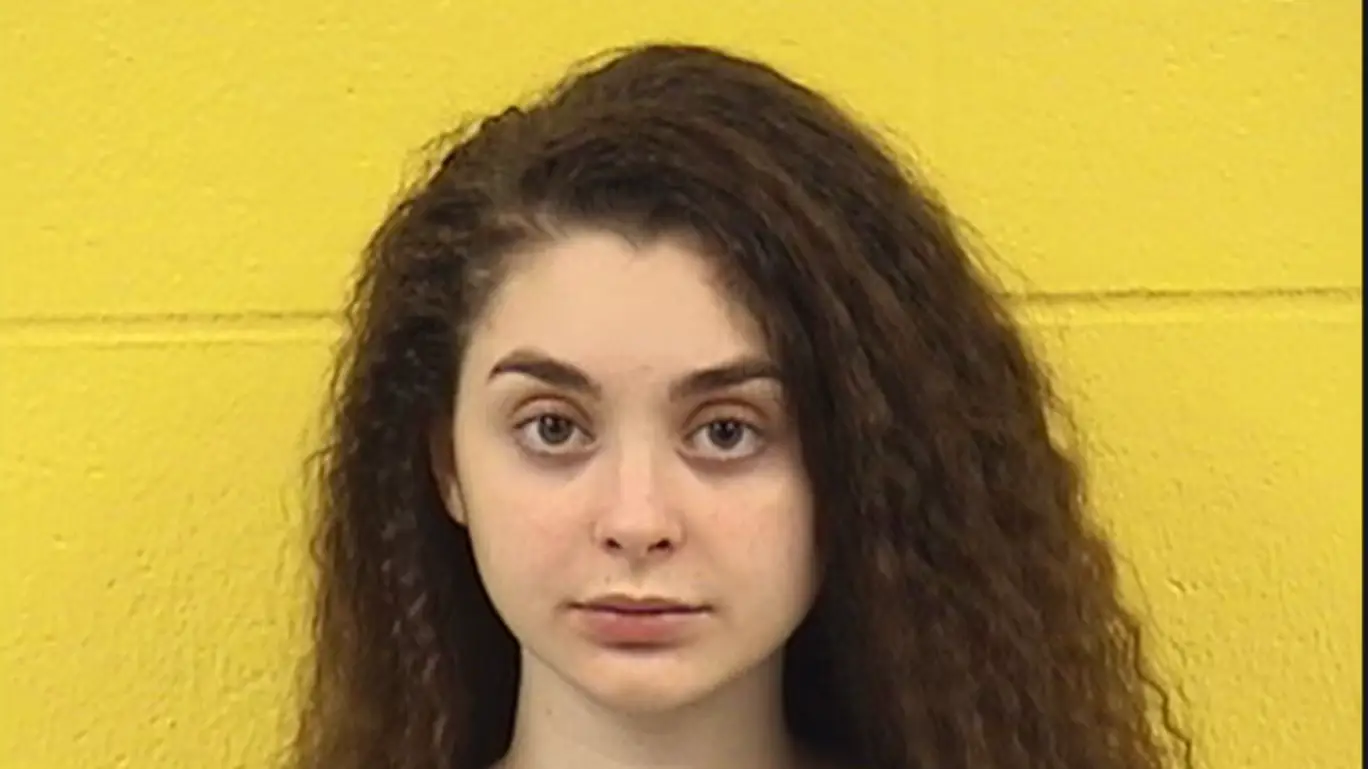
What do the new Mackenzie Shirilla show?
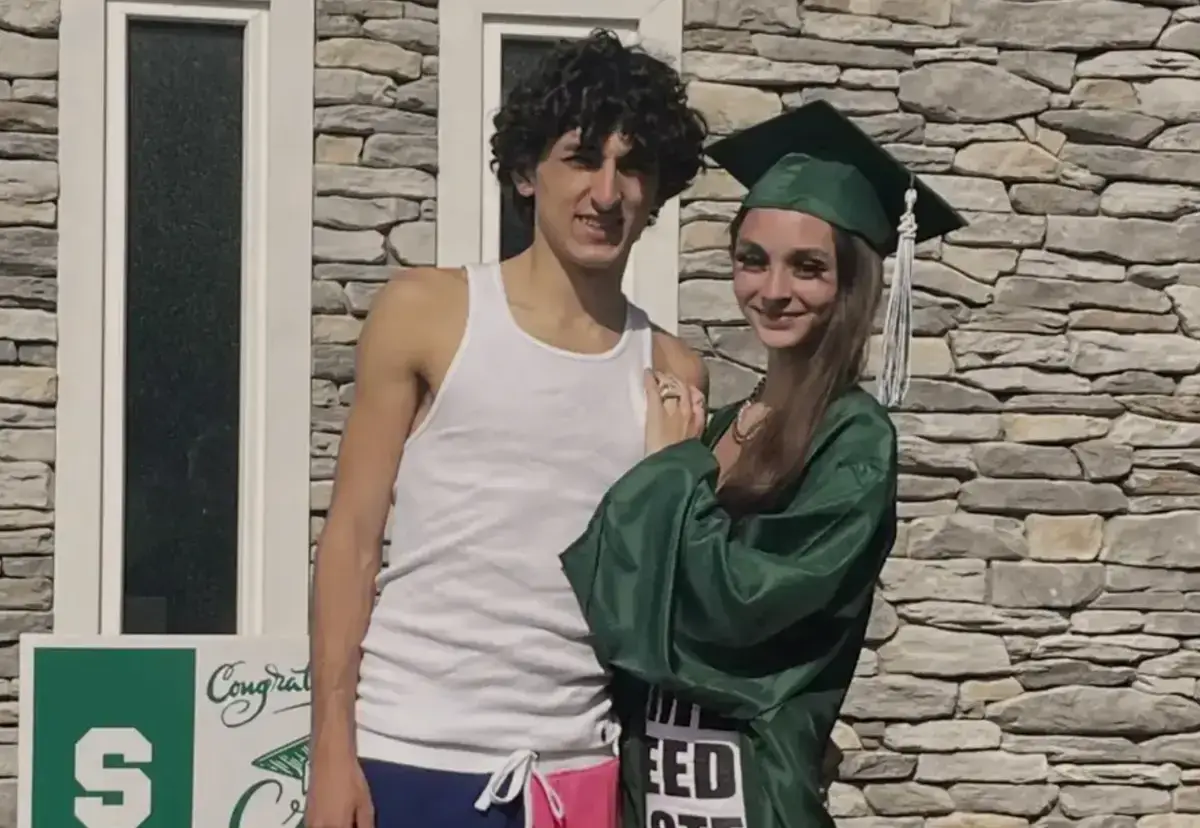
Text messages obtained by both PEOPLE and TMZ, retrieved from the Strongsville Police Department, show Shirilla complaining about blackout episodes to Russo in the weeks before the crash, and as far back as 2020.
In one message from 2020, Shirilla told Russo: "I had a rlly bad blackout today fr."
Then, on July 2, 2022, less than a month before the fatal crash, she texted him again saying the episode she'd just experienced was "probably the worst black out like pain level I've had."
According to TMZ, who also obtained messages from the exchange, Russo responded by suggesting she might be vitamin deficient, which could be affecting blood flow to her brain, before the conversation reportedly escalated into an argument, with Shirilla telling him: "Keep treating me like this see where that gets you."
What happened the day of the crash?
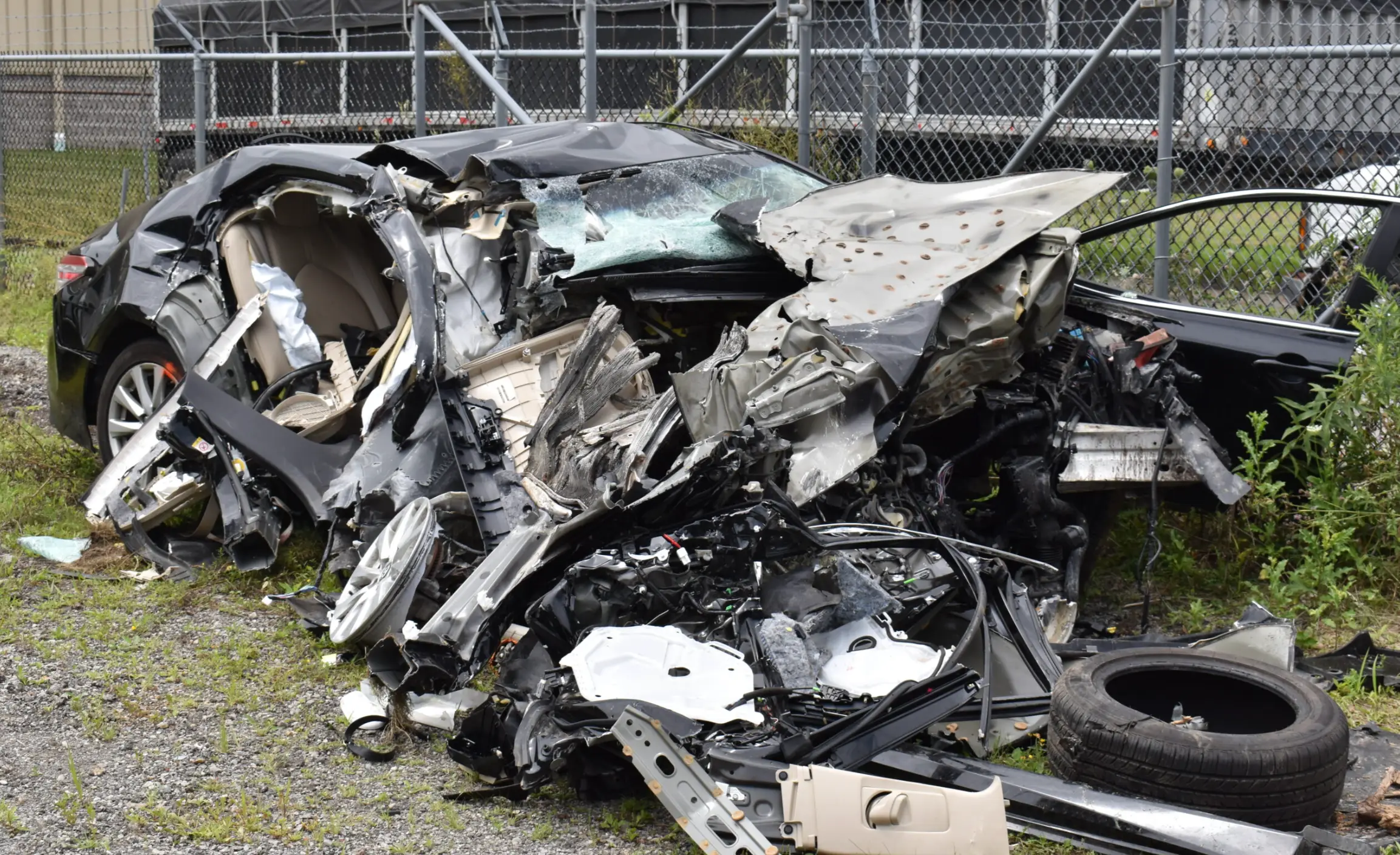
On July 31, 2022, Shirilla, then 17, drove her Toyota Camry into the wall of an office building in Strongsville, Ohio at nearly 100 mph, killing Russo, 20, and Flanagan, 19, instantly.
Surveillance footage captured the car streaking past cameras in a flash before impact.
Data recovered from the vehicle's black box showed the accelerator was pressed to the floor with no signs of braking in the five seconds before the crash.
Prosecutors argued the crash was deliberate, and in 2023 Shirilla was convicted of double murder and sentenced to two concurrent life sentences, with parole eligibility from 2037.
The defence maintained throughout that Shirilla suffered from POTS, a condition affecting the autonomic nervous system, causing symptoms including dizziness, rapid heart rate, and fatigue, which her mother argued could have caused her to lose consciousness at the wheel.
What is Shirilla's appeal arguing?
The case has surged back into public attention following the release of Netflix documentary The Crash on May 15, in which Shirilla gave her first-ever on-camera interview.
Asked how a medical emergency could account for her control of the car, she told the documentary: "I'm unsure because I have no recollection of that morning, but I know nothing about it was intentional because that's not my character."
On April 27, her attorneys filed an appeal with the Ohio Supreme Court arguing that there "is medical evidence" she "suffered from a pre-existing medical condition that could have caused her to black out while driving", and that her original defence team failed to investigate the claim or secure expert testimony to support it.
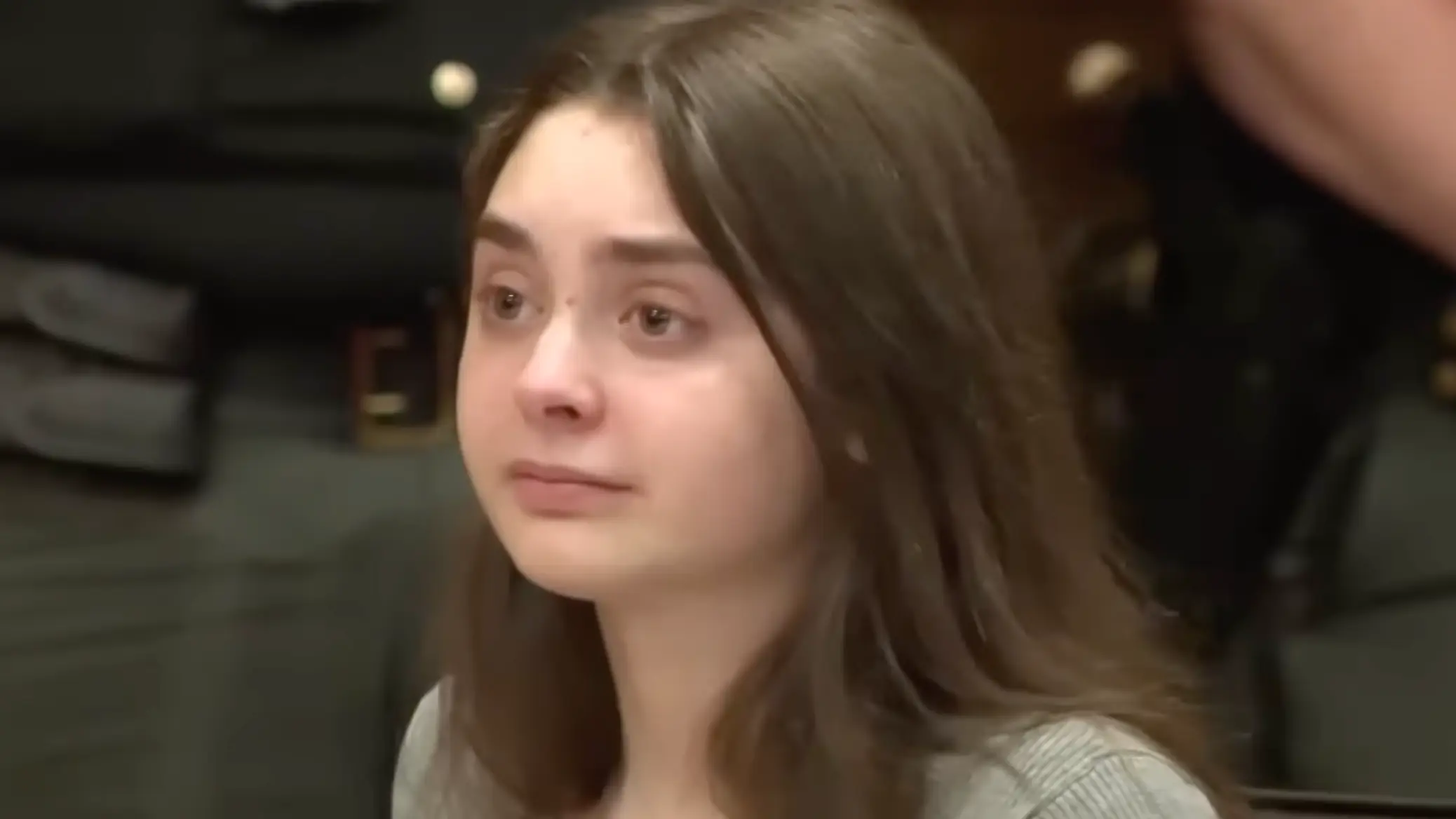
The New York Post, however, noted that audio recovered in the immediate aftermath of the crash captured Shirilla asking her mother whether they could tell police she'd had a medical emergency or seizure, a detail that prosecutors leaned on heavily at trial.
The Post also reported a string of behaviour behind bars, including Shirilla labelling herself the "third victim" in the crash and complaining about the absence of her iPad.
The Ohio Supreme Court has not yet indicated whether it will hear the appeal.
Mackenzie Shirilla's Attorney has been approached for comment.
Topics: Mackenzie Shirilla, Netflix, Crime, True crime, Ohio
 Thomas Bamford