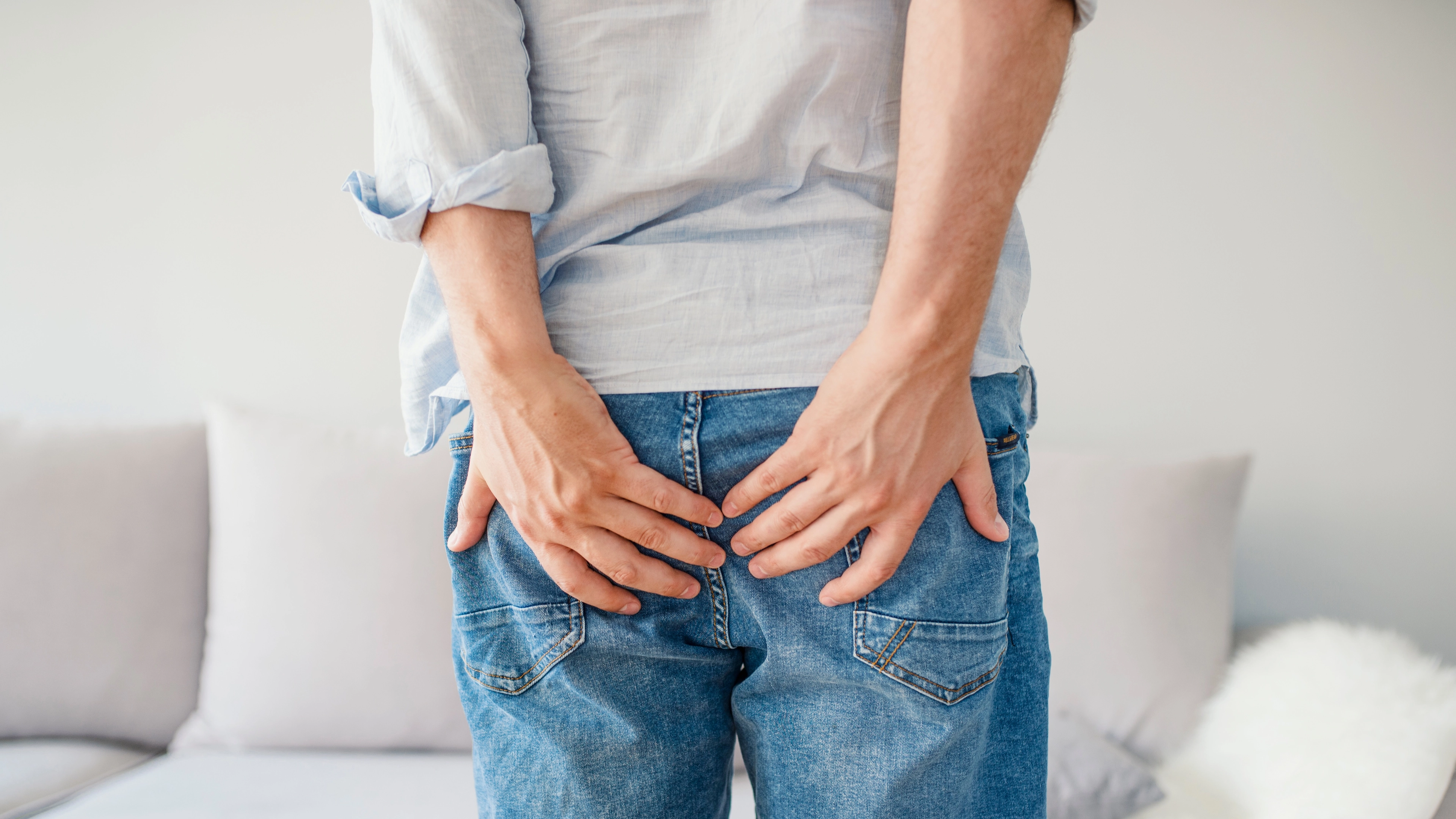
Doctor reveals causes of Dead Butt Syndrome and how to get rid of 'amnesia-like' symptoms

Anyone with chronic lower back pain, short hip flexors, or often struggles to walk up the stairs without wincing in agony may be experiencing a phenomenon affecting thousands of office workers. Introducing the bizarre ‘dead butt syndrome’.
Unfortunately, it is extremely easy for the 9 to 5 life to keep you glued to your desk, with a previous study suggesting that almost 50 percent of employees are skipping their lunch break at least once per week.
If you’re someone who can sit for hours and hours at your desk, then be warned: you could be suffering from ‘dead butt syndrome’ and not even know it.
Here’s everything you need to know about the health issue, including ‘amnesia’-like symptoms and how to reverse the problem right now.
What is ‘dead butt syndrome’?
Advert
Speaking to Metro, Dr Lawrence Cunningham said that dead butt syndrome, also known as ‘gluteal amnesia’, happens when your muscles aren’t engaged and ‘forget’ how to ‘fire up’.
“‘Your glute muscles basically go to sleep,” he warned. “Your glutes are meant to be one of the strongest muscle groups in your body.
“When they stop pulling their weight, other muscles have to step in and do the work for them.”
According to Dr Cunningham, a retired GP, you can usually tell that you are suffering from ‘deaf butt syndrome’ if you fail to feel your glutes working during exercises such as squats or lunges.
If you don’t step in and start training your gluteal muscles, especially the gluteus medius, then you may start to suffer from lower back pain, hip problems, and knee injuries, as those areas can compensate for weak muscles.
What causes ‘dead butt syndrome’?

Dr Robert Trasolini, an orthopaedic surgeon and sports medicine specialist with Northwell Health, previously told People Magazine that office workers who sit at their desk for ‘several hours a day’ are at risk of developing gluteal amnesia.
"Sitting with an arched back or slouching at your desk can 'put significant pressure on your deep butt muscles' as well as your lower back,” he cautioned.
“When you put pressure on your gluteus maximus and medius, these muscles will start to deactivate and not function as well.”
Cunningham, speaking for UK Care Guide, added that sitting for too long can also shorten and tighten your front hip flexors.
Over time, a process called ‘reciprocal inhibition’ takes place and your brain ceaaes to send strong signals to the glutes.
They get weaker and lazier as a result. He added that he had only come across a ‘handful of cases where it wasn’t linked to a sedentary lifestyle in some way’.
Symptoms of ‘dead butt syndrome’
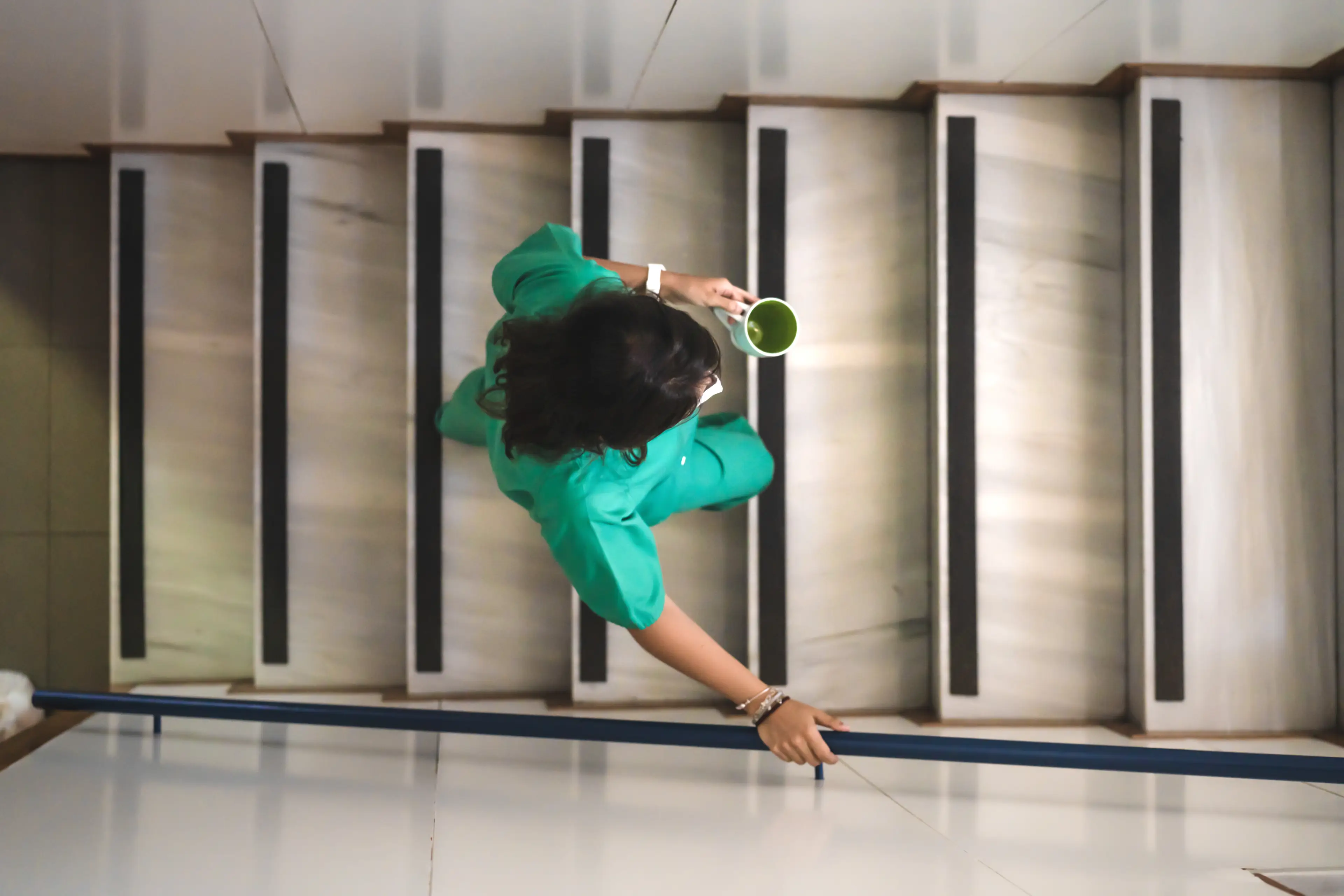
“You'll notice more pain with activity - getting up from seated to standing will take a couple of seconds,” said Dr Trasolini. “Think of it like warming up the engine. You can't just get up and start walking.
“You feel like you have to give it a few seconds, get your bearings on the floor before you start walking.”
Other symptoms of gluteal amnesia include numbness, pain in the knees and hamstrings.
The expert also stated that climbing the stairs may hurt and that stress on the discs may lead to painful herniations.
How to stop ‘dead butt syndrome’
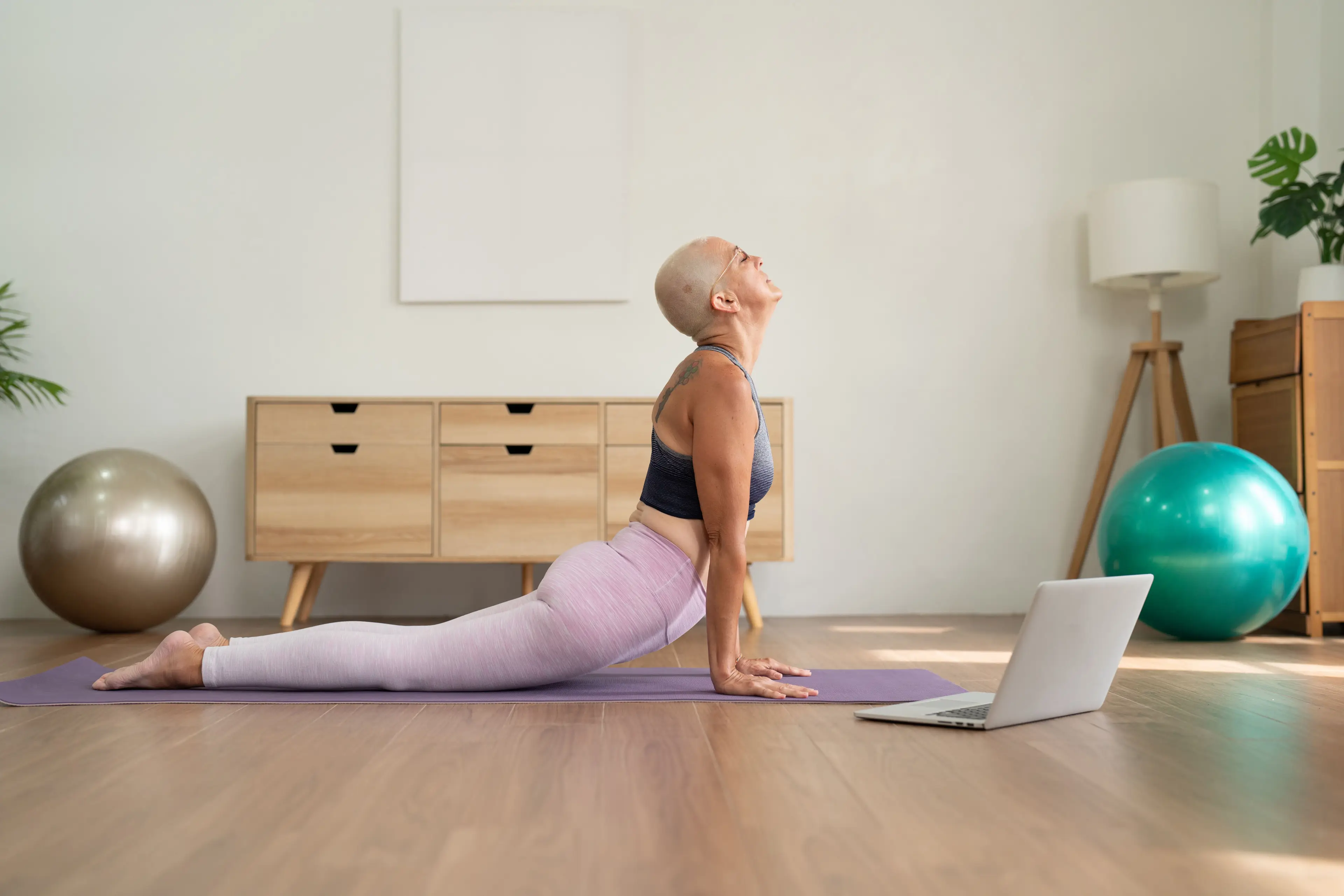
The good news is that anybody with ‘dead butt syndrome’ can easily reverse the effects.
Build strong glutes by trying a variety of therapy exercises, such as hip hitches, banded lateral walks, standing hip abductions, and clamshells to activate the gluteal muscles, as per Peloton.
Glute bridges and hip thrusts have also been described by Dr Cunningham as the ‘bread and butter of recovery’.
If you don’t have time to get down on the floor during the office day, then try to ge up every 30 minutes and go for a short walk, advised Dr Trasolini.
“Set an alarm every 30 minutes, get up stretch every hour, take a short walk for between three and five minutes. Those allow the muscle to respond and get this thing stronger.”
Most people are likely to see ‘real improvements within a few weeks of consistent work,’ Dr Cunningham added.
 Ella Scott