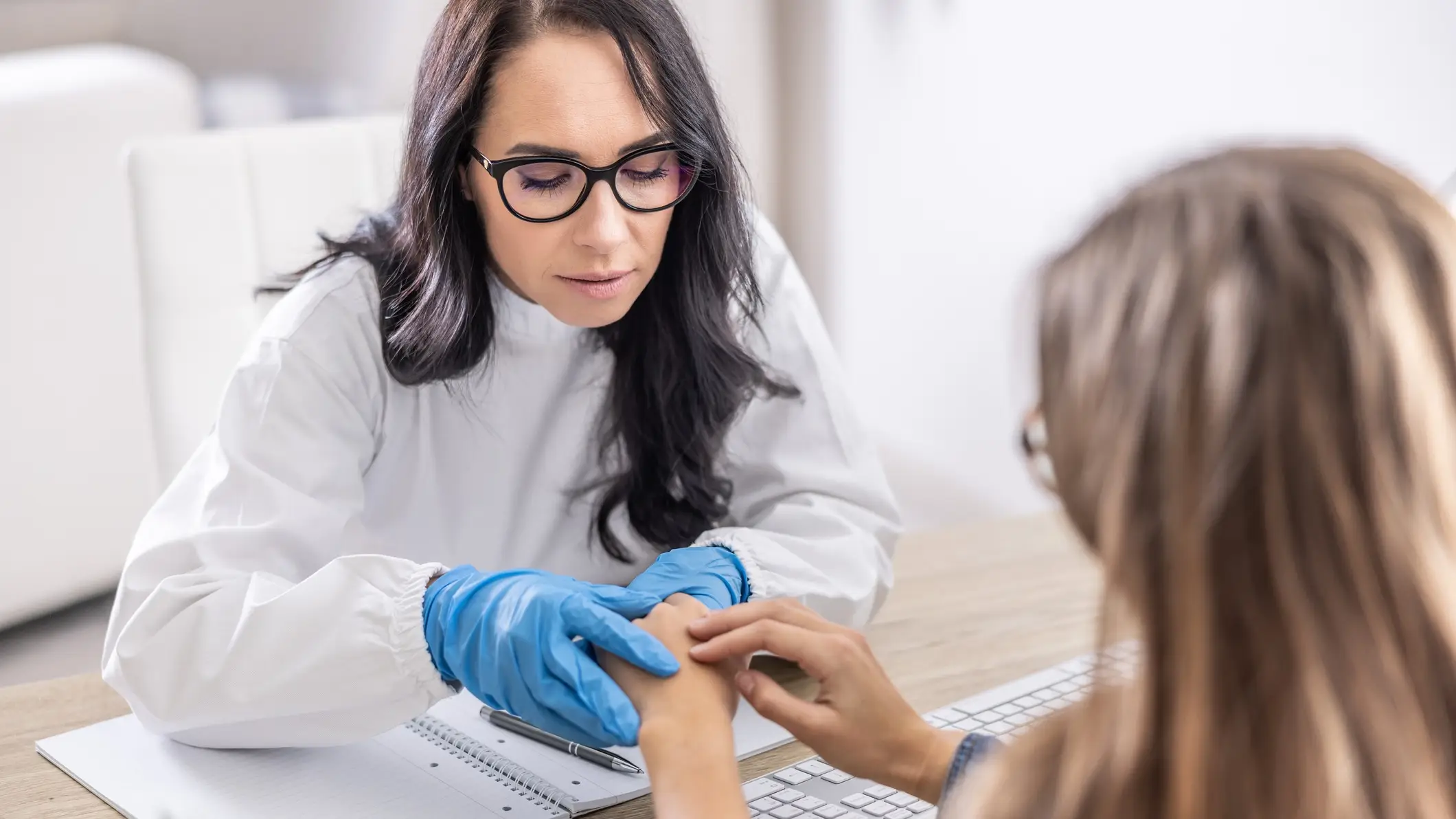
Doctor details four subtle skin symptoms that may actually be signs of cancer

Almost everyone suffers from some form of skin issue at some point in their life, whether its thickened red patches of psoriasis or the dry ooze of an eczema flare up, which is why many will dismiss some common cancer red flags as simple dry skin.
However, an experienced doctor has detailed how four major symptoms, often dismissed as one of these common issues, should actually be taken very seriously as a potential sign of skin cancer.
Dr Donald Grant, a senior clinical adviser at The Independent Pharmacy, said: “Many skin conditions can cause irritation, inflammation or visible changes to the skin, which is why it can sometimes be difficult for people to recognise when symptoms may require further medical investigation."
Skin cancer is one of the most overlooked but easy to spot health issues out there, with 10,000 diagnoses across the US every single day and roughly one in five of us developing some form of the disease by the time we are 70.
Advert

He continued: “While most cases are harmless and linked to common skin concerns such as eczema, psoriasis or dermatitis, persistent or unusual symptoms should never be ignored, particularly if they continue worsening or fail to respond to treatment."
Persistent Dry or Scaly Patches
Getting dry skin is not a sign that you have cancer, but a sign that you should moisturize. However, that does not mean that you shouldn't pay close attention to your flaky epidermis.
Dr Grant said: "Firstly, one symptom people should pay close attention to is persistent or dry scaly patches, which typically appear on areas frequently exposed to sunlight, such as the face, scalp, ears, neck, arms and hands.
"While these symptoms are often associated with common skin conditions such as eczema, they can occasionally indicate more serious concerns, including certain forms of skin cancer."
Persistent Facial Redness
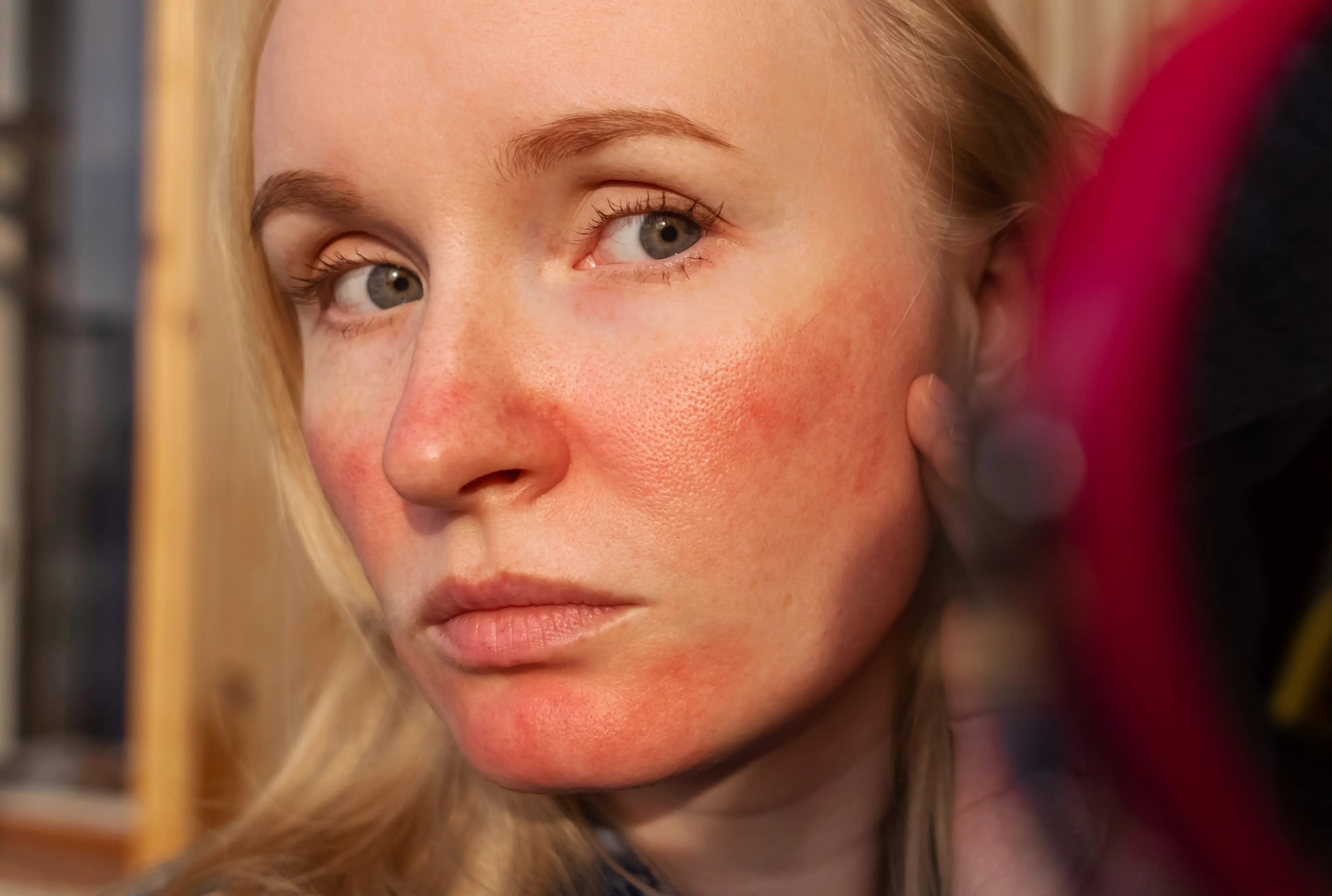
Getting a red flush across your face is both a common response to alcohol and a number of environmental factors, from stress to a particularly cold day. However, persistent rosacea is something you will want to investigate further with a medical professional.
Dr Grant explained: “A common sign of rosacea is persistent facial redness, but in some cases, this could also be a sign of something more serious, including certain forms of skin cancer.
"This redness typically appears across the cheeks, nose and forehead and may initially be mistaken for skin sensitivity, irritation or flushing. However, if symptoms continue to worsen, fail to improve with treatment, or develop alongside sores, bleeding, or texture changes, seeking further advice is essential."
Dry or Thickened Skin Patches
Developing a thick plaque of psoriasis can cause considerable discomfort, but it isn't the sort of problem that people typically take to their doctor. However, your physician is the only person with the training needed to tell a bout of psoriasis from a potential red flag for skin cancer.
“Certain forms of skin cancer can also sometimes resemble psoriasis due to the appearance of dry, scaly or thickened skin patches,'" Dr Grant said.
"Psoriasis commonly affects areas such as the elbows, knees, scalp and lower back, but a professional should assess any patch that begins to change appearance, bleed or become painful."
Itching or Tenderness Around Moles
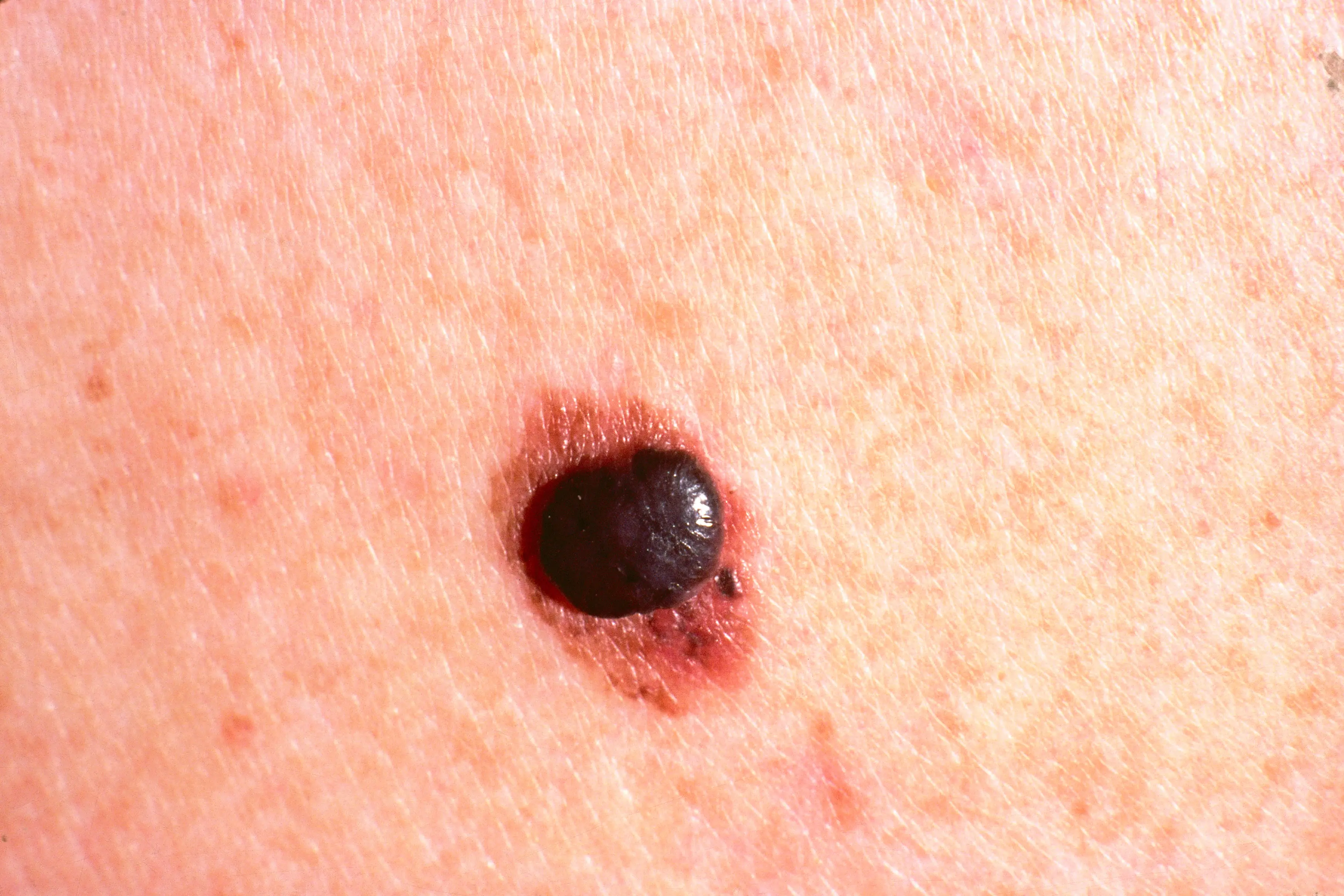
One of the main signs of skin cancers like carcinomas are noticeable changes to moles on your body, but most people aren't checking every brown spot on their skin or tracking its appearance.
But you are actually meant to be looking out for a number of other signs that your mole has turned into something more malignant.
Dr Grant explained: “Finally, many people associate skin cancer with visible mole changes, but symptoms such as itching, tenderness or discomfort around a mole can also sometimes be warning signs.
"These symptoms are often mistaken for irritation, allergic reactions or minor skin sensitivity. If a mole becomes painful, starts bleeding, changes colour or develops irregular borders, it could signify something serious, such as cancer.
“Overall, it can be easy to mistake skin changes for common conditions, such as eczema, psoriasis, acne or rosacea. However, persistent symptoms that continue worsening, fail to improve with treatment or noticeably change over time should never be ignored, as early detection remains extremely important when treating skin cancer effectively.”
If you’ve been affected by any of these issues and want to speak to someone in confidence, contact the American Cancer Society on 1-800-227-2345 or via their live chat feature, available 24/7 every day of the year.
 William Morgan