
Doctor warns of four everyday habits that could be increasing your risk of cancer

Health and wellness has become a huge part of society as of late, with young people choosing to swap nights out for matcha dates and pilates.
However, new research, which was reported by the BBC, has shown that in England, 11 types of cancers are on the rise for young people, with a number of daily lifestyle habits and factors thought to play a role.
The types of cancers increasing are said to be bowel cancer, thyroid, multiple myeloma, liver, kidney, gallbladder, pancreatic, womb lining (or endometrial), mouth, breast and ovarian cancers.
Now, Dr Donald Grant, GP and Senior Clinical Advisor at The Independent Pharmacy has outlined everyday lifestyle habits that could be increasing cancer risk - and how.
Physical Inactivity
It’s something that a lot of us are guilty of. Laying on the sofa after a long day of work, and promising ourselves we’ll go to the gym tomorrow.
Advert
We all know physical activity is important, as Dr Grant stresses that exercise plays an important role in ‘regulating hormones, reducing inflammation and supporting immune function.’

However, a full body pump session at the gym isn’t needed everyday, as the doc says that even moderate exercise including consistent daily walking can make a difference over time.
According to data from the Department of Health and Social Care, over one in five (22%) adults are physically inactive in the UK. In the US, The National Institute of Health saus approximately 1 in 4 adults are physically inactive.
“Not remaining active can further heighten the risk of cancer by further contributing to weight gain,” he adds.
Eating Processed Foods
This is one a lot of Americans are guilty of. Although those processed foods may taste like they’re good for you, unfortunately, they’re not.
Good diets are a key factor to good health, with bad diets being linked to particular cancers.
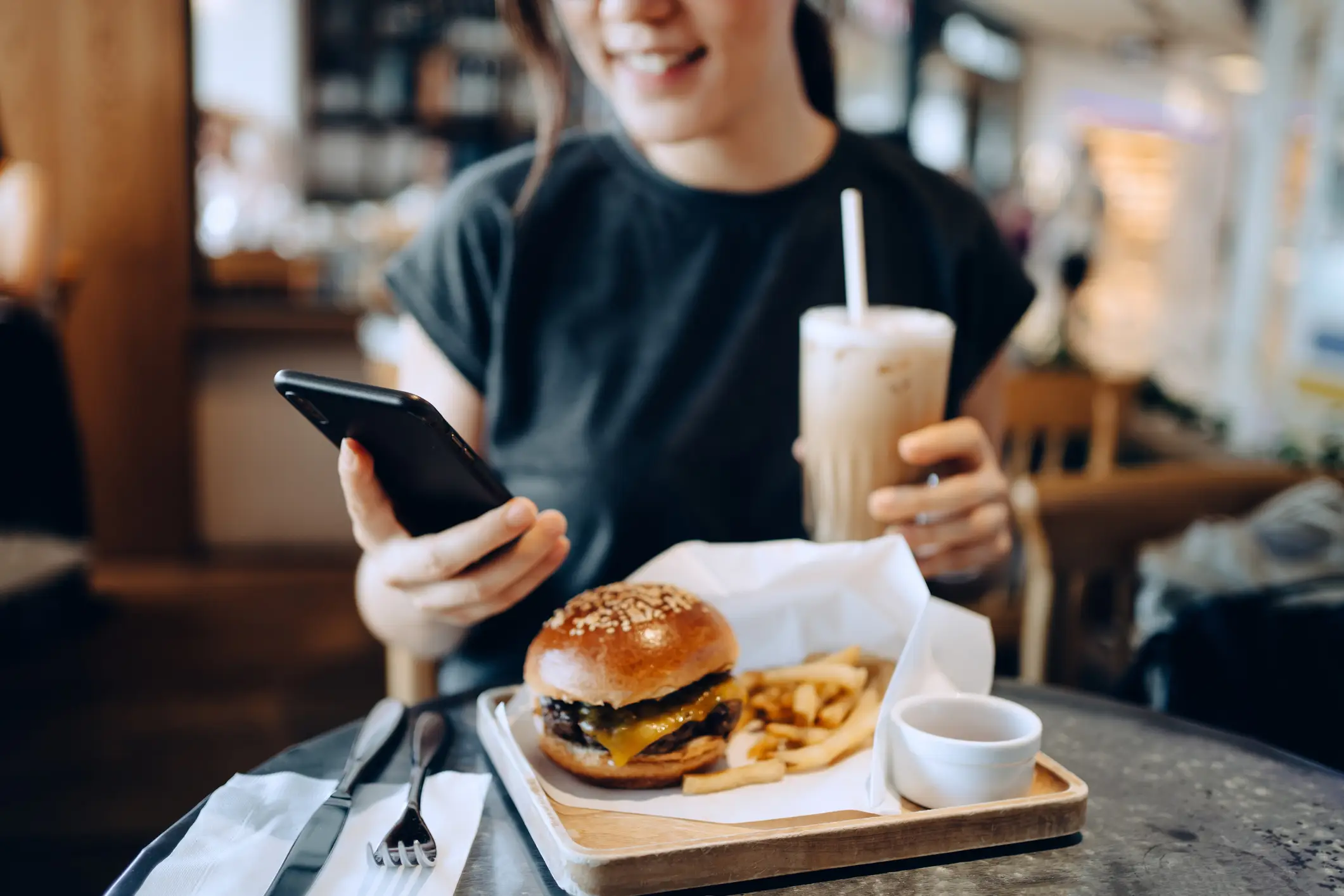
As well as a diet high in processed foods, the doc says that diets high in ‘processed foods, red meats and low in fibre can negatively impact long-term health’ and have been linked to cancers such as bowel cancer.
Recently a study also found a link between eating ultra processed foods and the risk of dementia.
Excessive Sun Exposure
Although everyone runs outside at the first sight of the sun in summer, excessive sun exposure could also increase cancer risk.
It’s the UV rays that do the damage, the doc stresses, and therefore those who head out without protection from these strong rays.
However, these aren’t just there on sunny days. What many don’t know is that they can also penetrate through clouds.
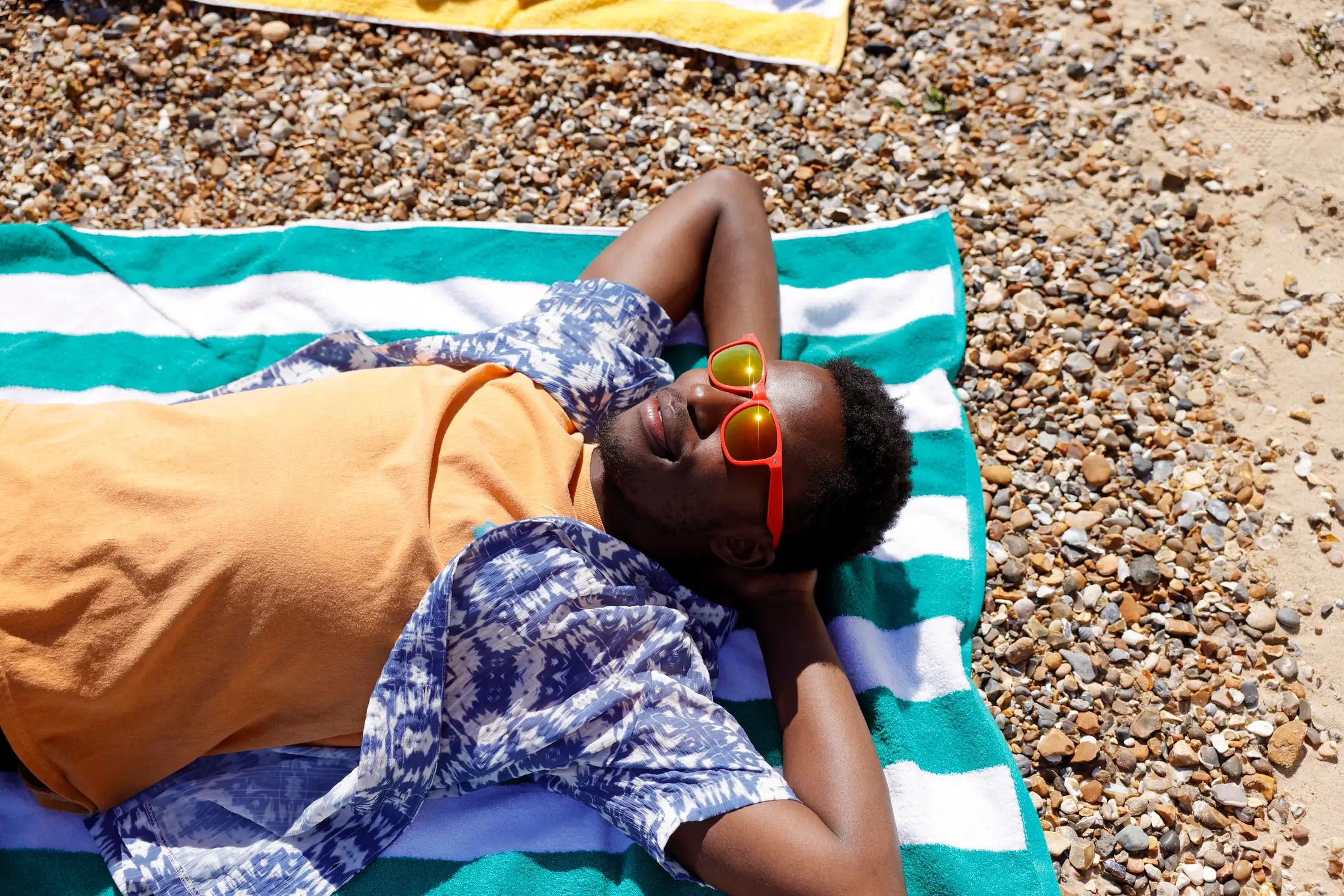
“Ultraviolet (UV) radiation can damage skin cells, particularly during peak hours or when sunburn occurs,” Doctor Grant says.
However, he advises using sunscreen, limiting exposure and wearing protective clothing. He also advises practicing protection all year round, not just when the sun is beaming down.
Poor Sleep and Chronic Stress
A key factor in long-term health is getting a good night’s sleep and avoiding stress, where possible.
Of course, it’s impossible to completely avoid stress and have a good night’s sleep every night of your life, however, doctors avoid aiming for at least 7-9 hours a sleep per night.
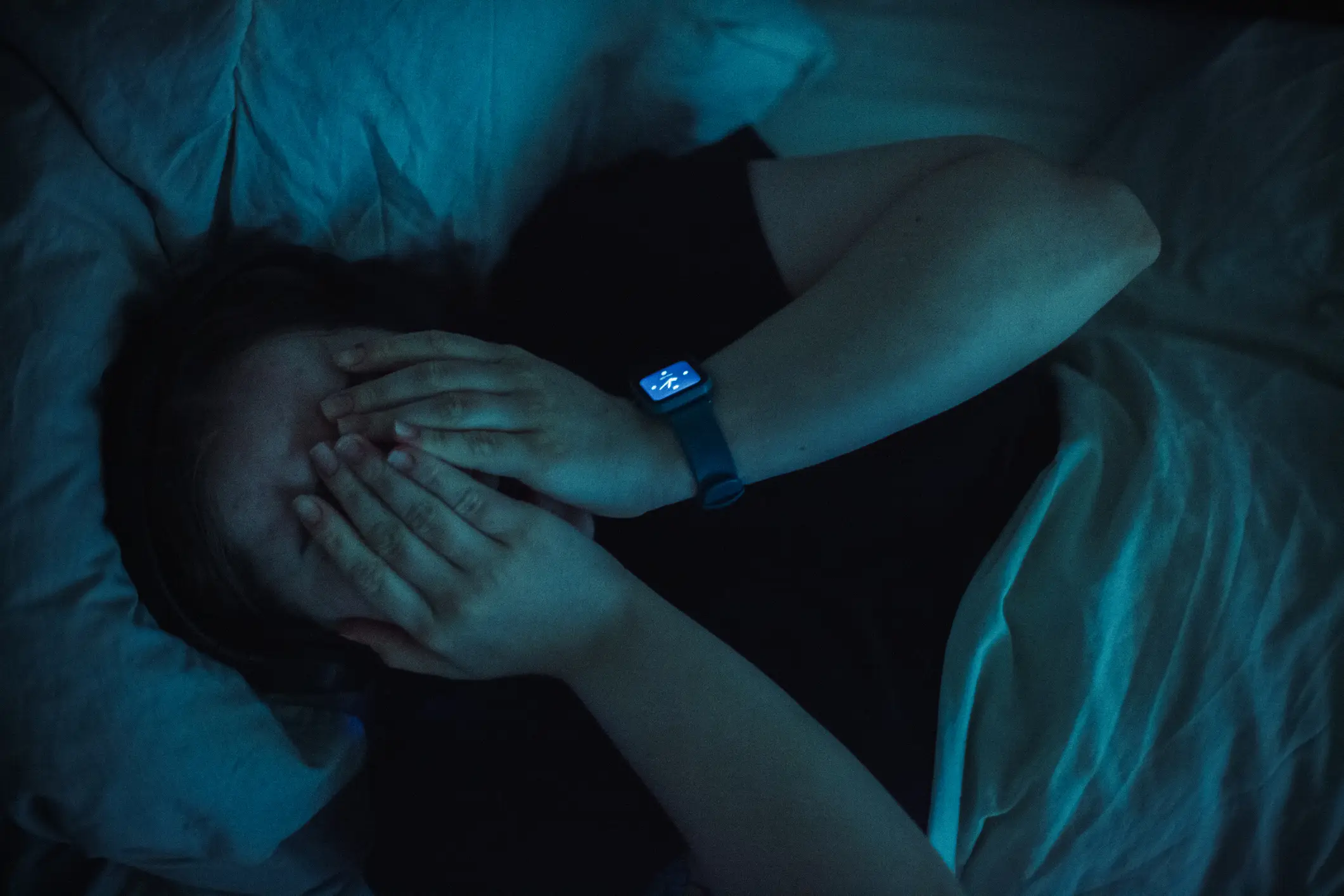
But how does poor sleep and chronic stress affect cancer risk? Well, the doc states they can “indirectly contribute to cancer risk by affecting hormone balance, immune function and lifestyle behaviours.”
Over time, this makes it harder for the body to repair damage.
These everyday habits aren’t the only factors, however. Other risky habits include:
- Excessive alcohol consumption
- Smoking
- Being overweight or obese
"By adopting a well-balanced diet, avoiding bad habits such as smoking or excessive drinking, anyone can improve their long-term health,” Doctor Grant concludes.
 Kiesha Dosanjh