
Doctor reveals one of the main causes of male infertility and how to treat it

A doctor has explained one of the main causes of male infertility, and the symptoms to look out for.
Almost one in seven couples suffer with infertility, which is defined as having not been able to conceive despite having frequent and unprotected sex for at least a year.
In two out of five of these couples, there's a condition that one doctor has described as 'the most common cause of infertility'.
Of course, there's a whole host of conditions and factors that can contribute to fertility, with Mayo Clinic explaining it can be caused by 'low sperm production, abnormal sperm function or blockages that prevent the delivery of sperm. Illnesses, injuries, chronic health problems, lifestyle choices and other factors'.
Advert
Men also tend to experience changes in fertility as they age, which can lead to reduced sperm volume and mobility.

Writing for the New York Post, Dr Bobby Najari explained that the most common cause of male infertility is a varicocele, which are swollen veins in the scrotum.
The veins can lower sperm production, as well as movement, which can have a direct impact on fertility.
A varicocele often occurs on the left side and doesn't usually cause symptoms. However, possible signs may include: pain; a mass in the scrotum; different sized testicles and struggling to conceive.
It's important to get any changes checked out by a doctor.
Mayo Clinic explain that for men experiencing fertility issues, surgery to correct a varicocele may be part of the fertility plan.
Meanwhile, a non-surgical procedure called embolization can also be used to block the affected vein.
Diagnosing male infertility is often less invasive than tests associated with female infertility.
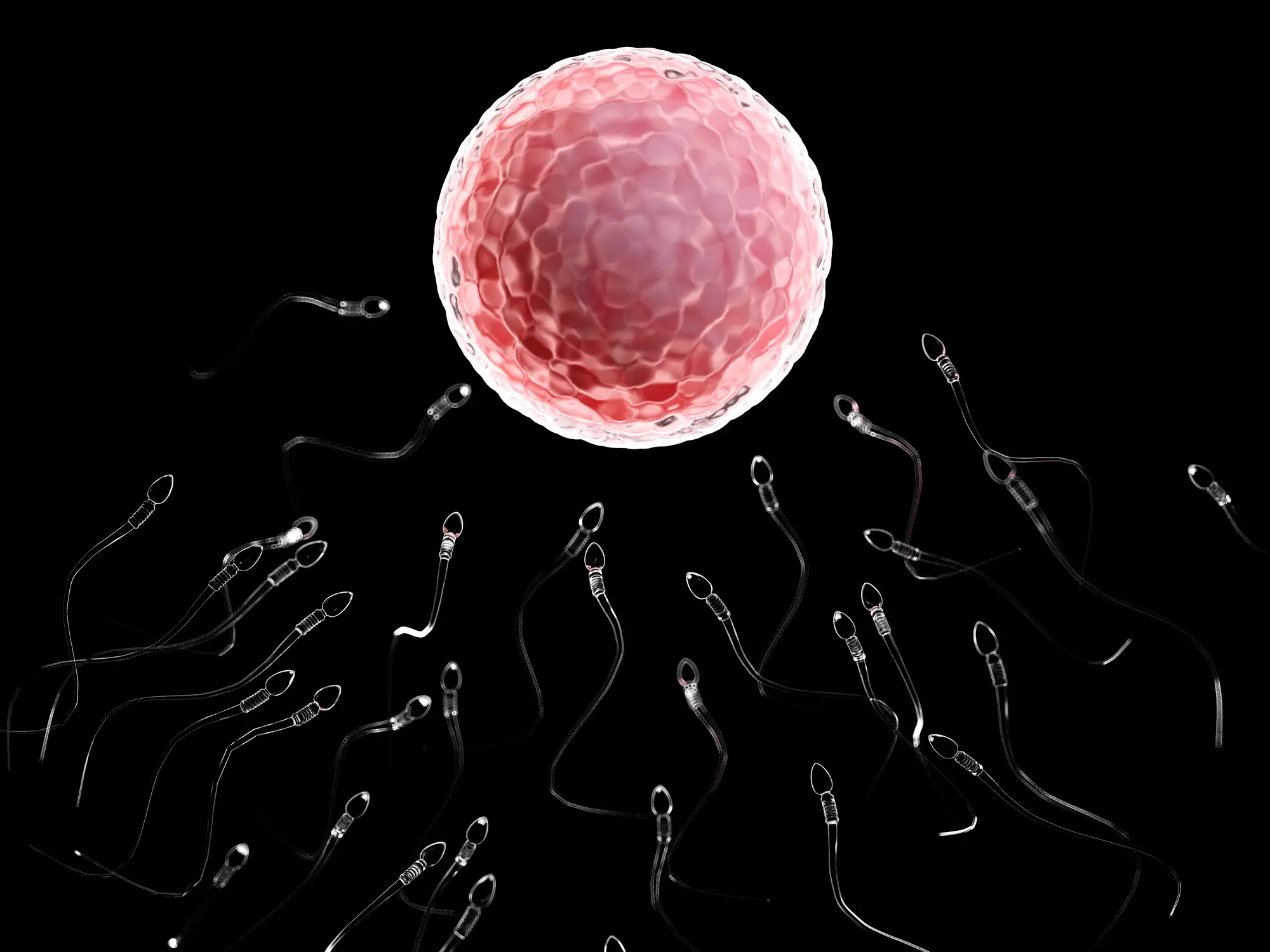
Usually, this begins with a semen analysis to find out if there are any ongoing problems. This tests for sperm count as well as the health of the sperm, including movement and shape.
Sperm usually have a smooth, oval head with a long tail.
Dr Najari added that hormones like testosterone and FSH can also be tested.
If you're concerned about fertility, there are some signs and symptoms to look out for. These include:
- Issues with sexual function, for example, difficulty with ejaculation, reduced libido or being unable to maintain an erection
- Pain, swelling or a lump in the testicles
- Frequent respiratory infections
- Reduced ability to smell
- Abnormal breast tissue growth
- Decreased facial or body hair
- Lower sperm count than normal
Dr Najari explained that a normal sperm count is generally at least 15 million sperm per milliliter, as well as normal motility being at least 40 percent and normal morphology classed as at least four percent or more being optimally shaped.
Topics: Health, Sex and Relationships, Parenting
 Lucy Devine