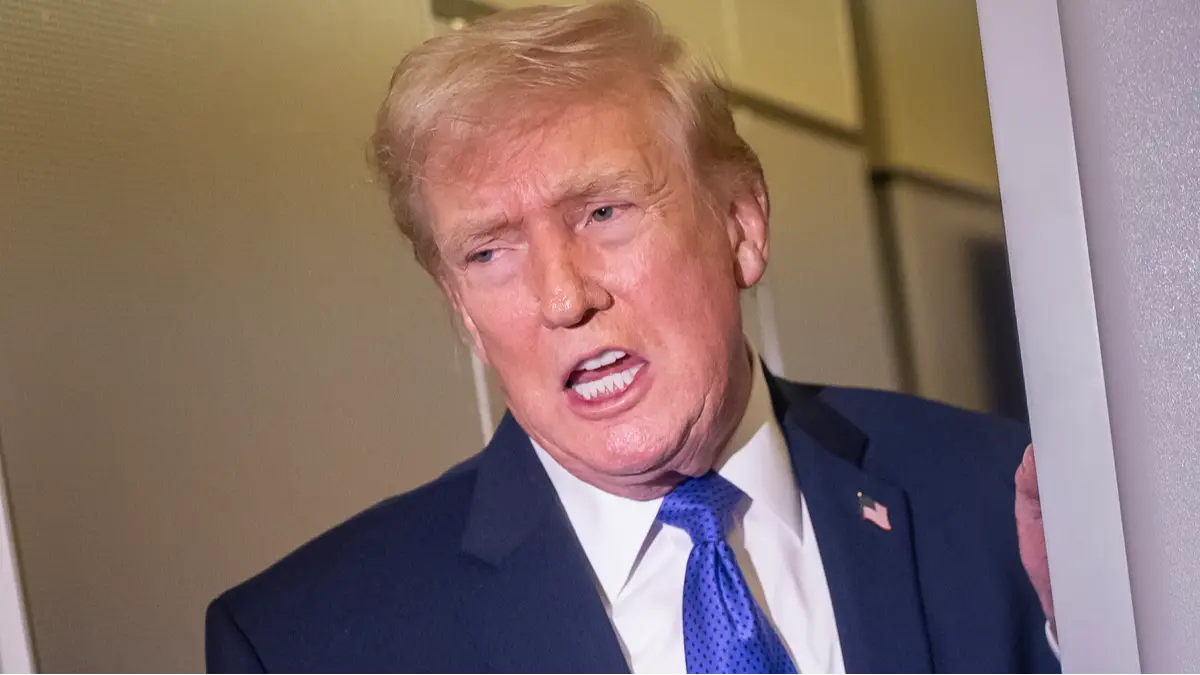
Trump makes threat to Iran ahead of important nuclear deal talks

A second round of talks between Iran and the United States has taken place, following warnings from US President Donald Trump about the consequences if Tehran does not reach a nuclear deal.
The purpose of the meeting on Tuesday (February 17), which was mediated by Oman and took place in Geneva, Switzerland, was to resolve disputes over Iran’s nuclear programme.
The meeting took place after Trump made repeated warnings of possible military action against Iran if it did not negotiate a deal on its nuclear programme, and continued using force against anti-government protesters. Speaking to the press aboard Air Force One before the latest round of talks, Trump said he believed Iran would make a deal.
Meanwhile, the foreign ministry in Tehran said it believed that the US position on its nuclear issue had shifted towards ‘a more realistic one’. Iran said Tuesday’s meeting would also focus on the potential lifting on economic sanctions imposed by the US.
Advert
Trump said the talks were ‘very important’, and while he would be involved ‘indirectly’, he suggested Tehran was moving towards negotiating.
“I don't think they want the consequences of not making a deal," Trump told the press.
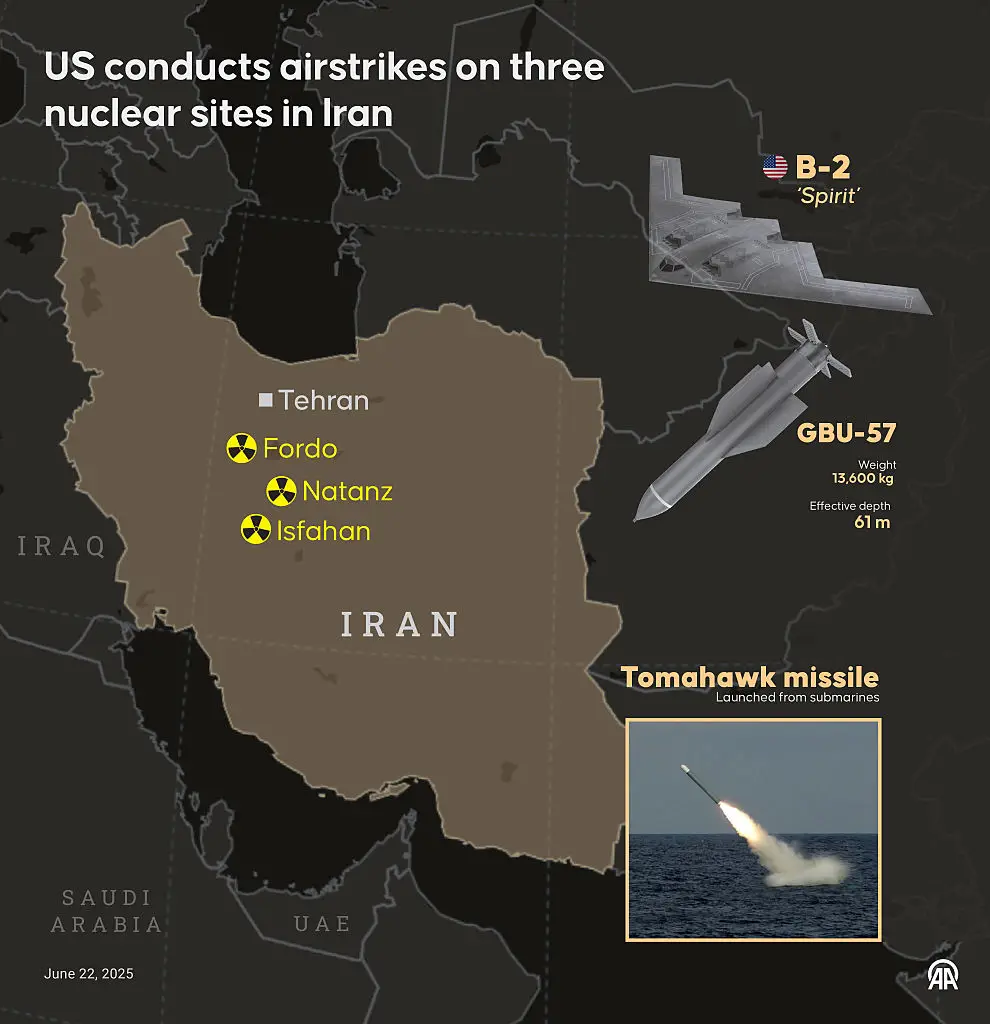
Last summer the US bombed Iranian nuclear sites. Trump later said a deal could have prevented the strikes, which he referenced ahead of the meeting this week. “
We could have had a deal instead of sending the B-2s in to knock out their nuclear potential,” he told reporters.
“And we had to send the B-2s,” he added.
With the second round of talks between Iran and the US now over, there has been no comment at the time of writing from either side about the result.
The Trump administration is pushing for an agreement that would curb Iran’s nuclear programme and prevent it from developing nuclear weapons. However, Iran says it is not pursuing weapons. It has so far rejected calls to stop uranium enrichment or to surrender its existing uranium stockpile.
On Monday, US Secretary of State Marco Rubio told a news conference in Budapest that reaching a deal with Iran would be difficult, but said the US was prepared to make the effort, Sky News reports.
Trump also told reporters that the USS Gerald R Ford, the world’s largest aircraft carrier, was being sent to the region. The BBC reports that it could arrive within the next three weeks.
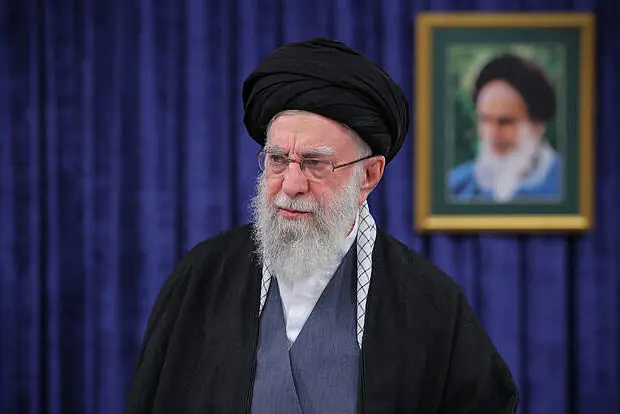
On Tuesday, Iran's supreme leader Ayatollah Ali Khamenei responded to Trump's threats of military action with a warning: "More dangerous than an aircraft carrier is the weapon that can send it to the bottom of the sea.
"He says the US's army is the strongest army in the world. The 'strongest army in the world' may sometimes receive such a blow that it cannot get back up."
Topics: Iran, Donald Trump, Politics, World News
 Greg Harris