Every country that allows public executions as Trump approves 'medieval' livestream firing squad death

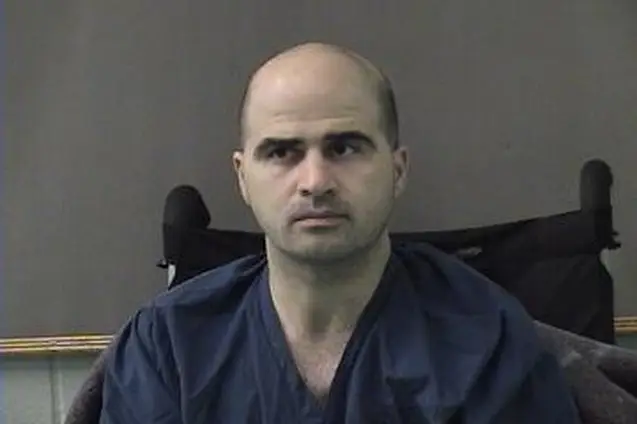
After nearly a century, the US is rejoining three countries which conduct public executions by confirming it will livestream the death of Nidal Malik Hasan.
On December 3, Hasan is set to be executed by firing squad in Fort Hood, Texas - the same location where he carried out his terror attack in 2009.
Not only this, but his execution is set to be livestreamed, a decision which has been confirmed by the Pentagon, Defense Secretary Pete Hegseth, and seemingly President of the US, Donald Trump.
It comes after public executions in the US stopped nearly a century ago.
Advert
The move has received an outpouring of backlash, with even the brother of 22-year-old Michael Pearson - who was one of the 13 people killed by Hasan during his mass attack - having appealed to officials to 'reconsider' it being shared with the public in such a way.
The upcoming execution marks the first execution by firing squad to take place in the US since 1945, but if it goes ahead, it would mark the first ever broadcast or livestream of a lawful execution.
Although, there are other countries around the world which allow public executions too.
Countries which allow public executions
In 2025, Amnesty International reports 17 known public executions took place. It states that 11 of those were carried out in Iran and the other six in Afghanistan.
Iran
As of 2026, over 400 people are reported by Iran Human Rights as having been executed in Iran so far - with two of those having been carried out publicly.
Afghanistan
Amnesty International reports there being six public executions in Afghanistan in 2025, four of which took place in a stadium according to Agence France-Presse.
North Korea
There's a lack of any official information on public executions in North Korea, however, reports have emerged from witnesses, even as young as school children, about seeing them take place, US News reports.
There are also various reports surrounding Somalia and Yemen.
What constitutes a 'public execution'?
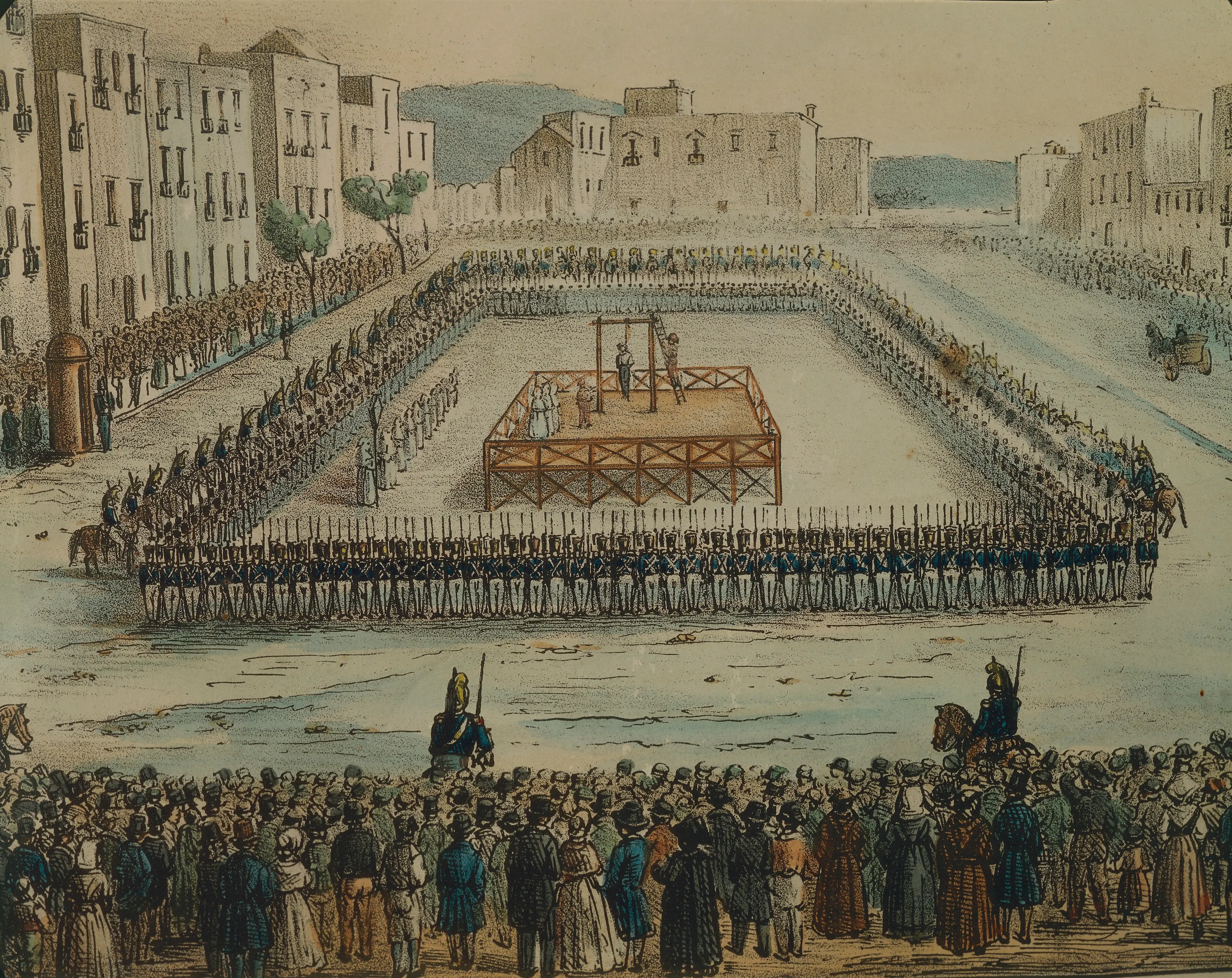
Historically, public executions have taken place in pretty much every country, however, many have stopped using it or have abolished the capital punishment altogether.
It was typically used as a way to assert authority and deter people from defying laws and authorities.
A 'public execution' consists of members of the general public being there to witness the execution. For example, the lethal injection attempts on Christa Pike would not count, despite several people being present, including reporters.
In Afghanistan, it's reported multiple public executions have taken place inside stadiums packed full of spectators.
In the US' case of Hasan, members of the public won't be viewing the execution in person so to speak, but able to watch it take place live on their computer, TV, or phone.
And the manner of his execution has been contested by many human rights organizations.

What human rights organizations have said about public executions
In a press briefing in New York on October 9, as reported by the UN, UN Spokesperson Stéphane Dujarric said the 'possibility of…a government executing someone in public or in front of live cameras, frankly, is abhorrent'.
In September, Human Rights Watch said, as quoted by US News: "Public executions of protesters further escalate the death penalty to a weapon of political repression.
"In addition to violating the rights and human dignity of those executed, by making an exhibit of an inherently cruel and degrading punishment, public executions also aim to instill fear in the population and deter additional public dissent."
Topics: US News, World News, Crime
 Poppy Bilderbeck