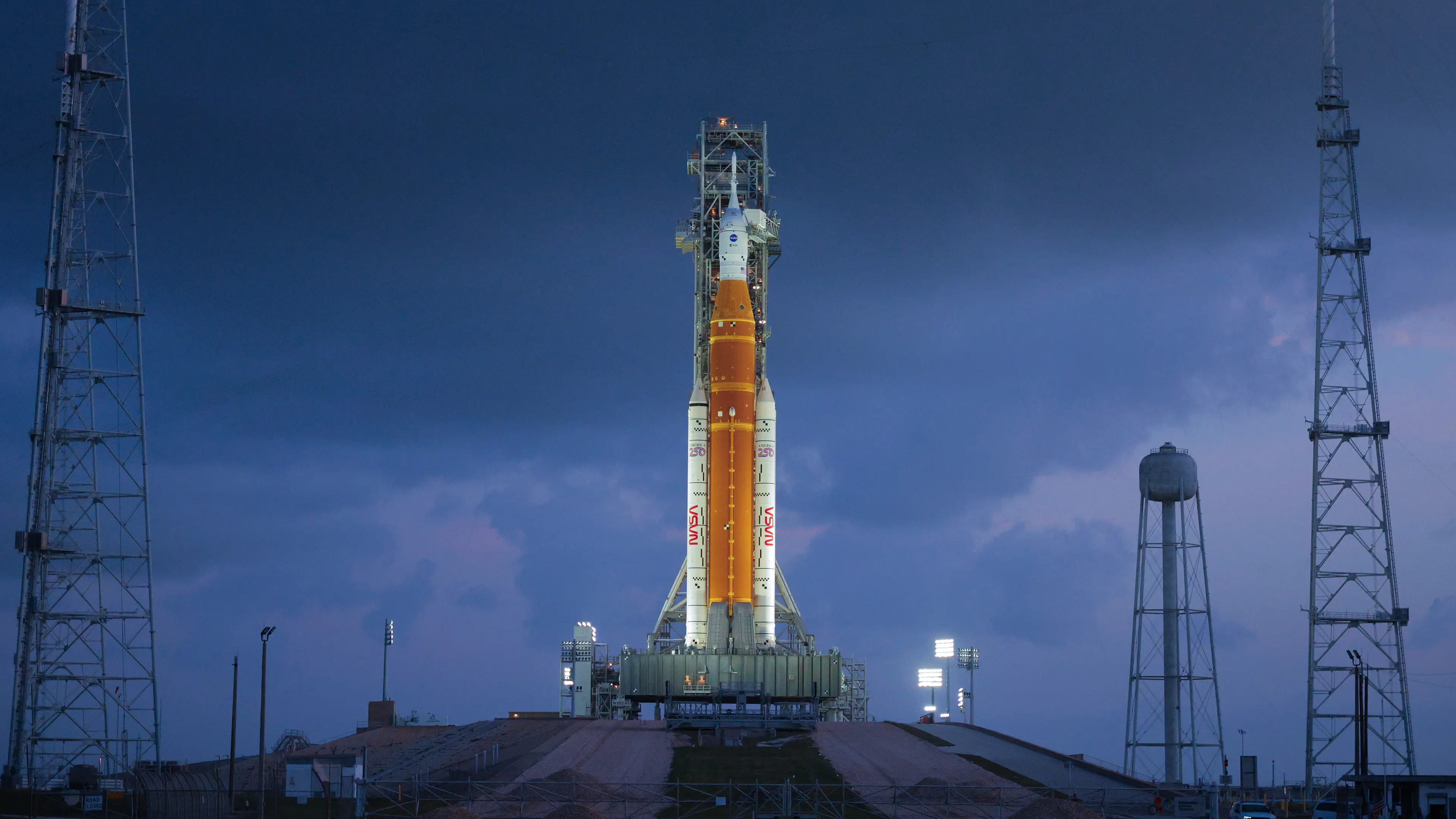
Artemis astronauts to lose contact with Earth as they embark on the most terrifying part of their journey

Artemis II astronauts are due to lose contact with Earth after reaching the halfway point of their 10-day trip.
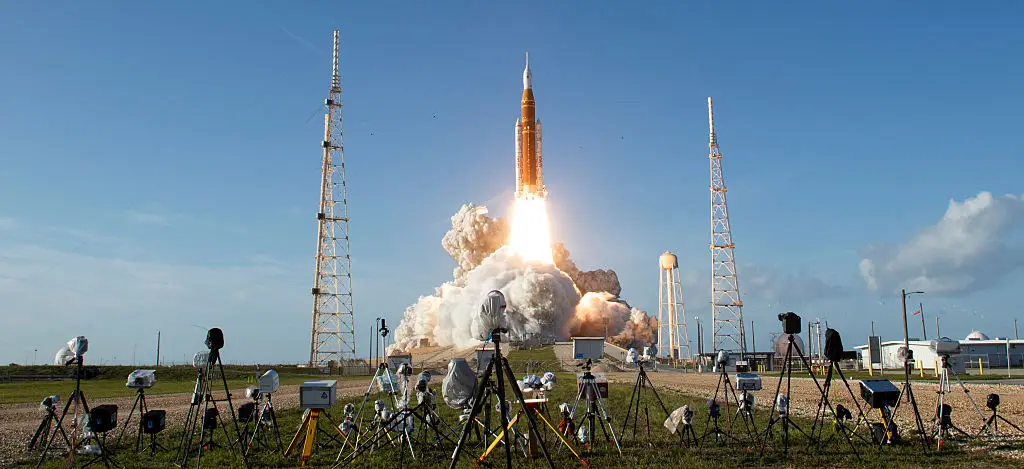
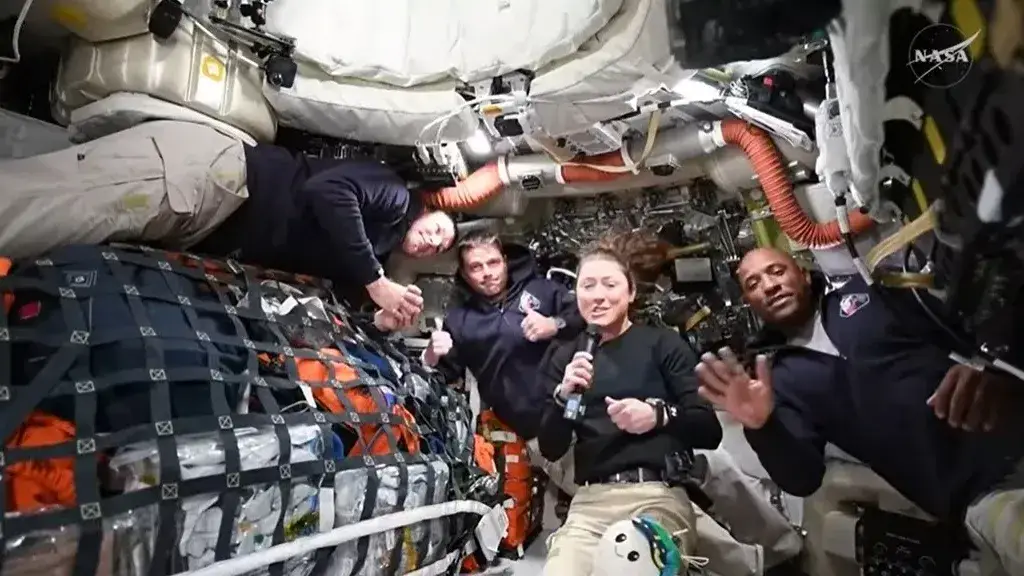
The crew - made up of Reid Wiseman, Victor Glover, Christina Koch and Jeremy Hansen - set off on a mission around the Moon on Wednesday (April 1) and are due to return to Earth on Friday (April 10).
The mission has gone according to plan at present and the next part of the journey will see the astronauts break the record for the farthest distance ever travelled by humans as they approach the lunar surface.
There is due to a terrifying 40-minute period where the lunar surface blocks radio signals needed for the Deep Space Network to connect with the spacecraft, meaning there will be no communication at all between the astronauts and mission control during this time.
Advert
If anything goes wrong during this time, the astronauts are unable to make any contact with Earth to seek help.
Speaking to the BBC, Glover previously said: "When we’re behind the moon, out of contact with everybody, let’s take that as an opportunity.
"Let’s pray, hope, send your good thoughts and feelings that we get back in contact with the crew."
Mission control will lose communication with the crew as the Orion capsule passes behind the moon at around 6.47pm ET (11.47pm UK time).
During this time the astronauts will make their closest approach to the Moon and record their observations, though window room is limited so only two astronauts can observe at a time.
The crew are relying on the Moon's gravity to propel them back to Earth, with NASA's mission control expecting the reestablish communication with the Artemis crew at around 7.27pm ET (00.27 UK time).
Judd Frieling, ascent flight director of the Artemis II mission, insisted there will be no 'loss of control' at a briefing on Sunday (April 5).
"We absolutely know physics is going to take them back to us," he declared.
The mission - a 685,000-mile round-trip - marks the first time humans have travelled to the Moon in over five decades, with the Apollo 13 crew being the last to do so in 1970.
The Apollo crew travelled 248,655 miles from Earth, but Artemis II is expected to reach a maximum distance of 252,757 miles.
The riskiest part of the Artemis II is the spacecraft's return to Earth, as it will be exposed to temperatures of up to 3,000°F.
Parachutes will deploy once the spacecraft is safely back in Earth's atmosphere and the crew will land in the Pacific Ocean off San Diego, with the US Navy and NASA picking them up.
Topics: Space, NASA, World News, News, Moon
 Danni King