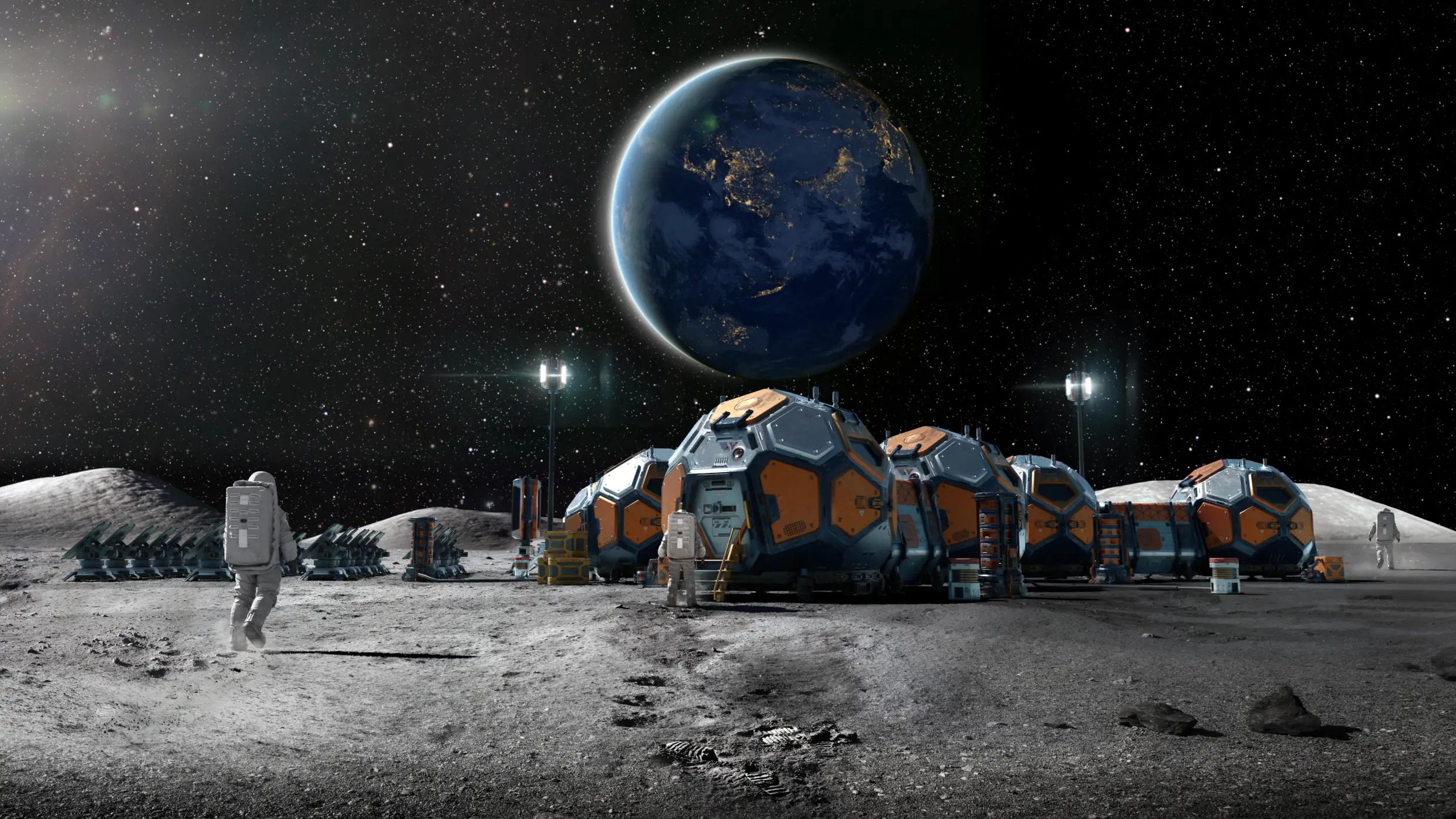
Space expert explains how 'lava tubes' could help us one day live on the Moon

A expert in the world of space has explained how 'lava tubes' could help us live on the Moon some day in the future.
While people have stepped foot on the Moon, the possibility of living on the only natural satellite of Earth may feel impossible.
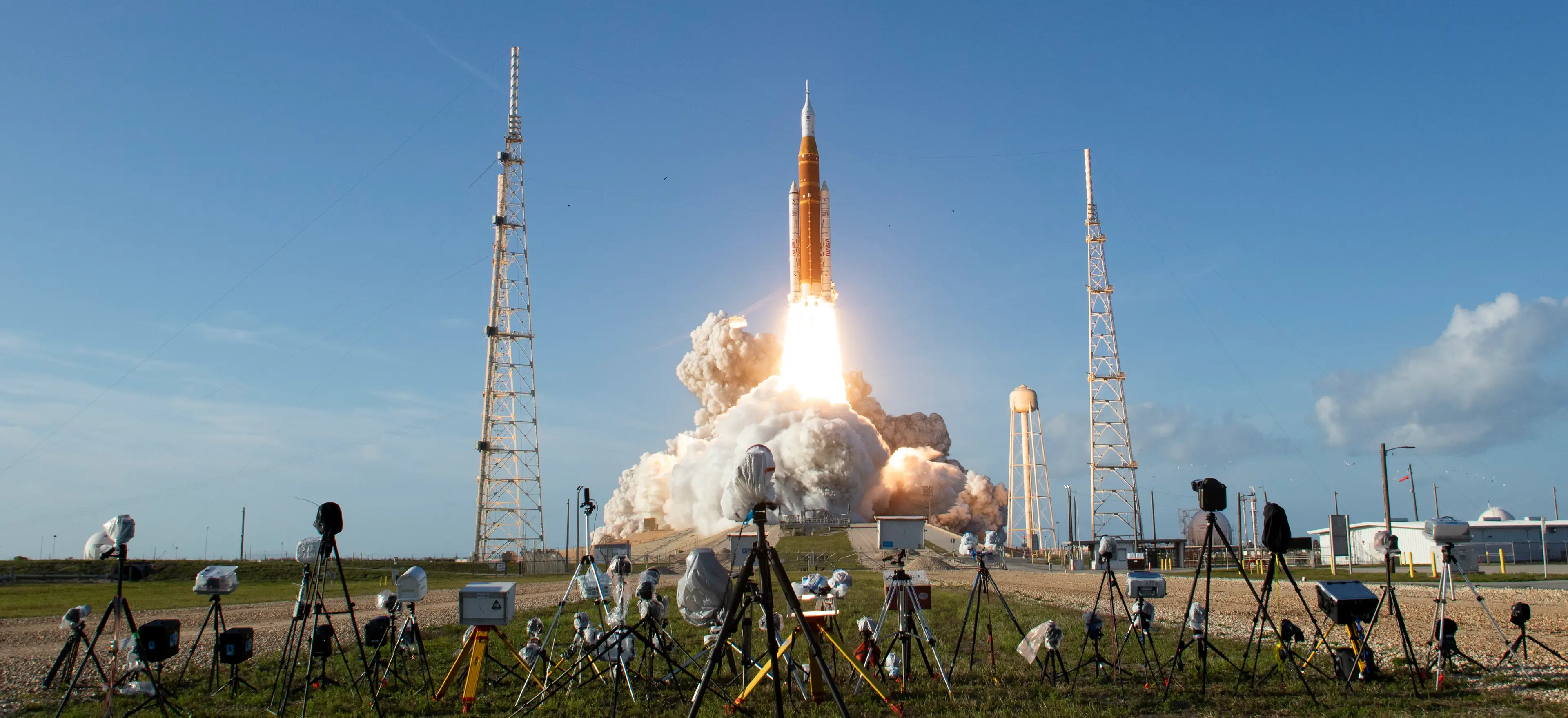
However, while it may be many years away, a space expert has explained how it could just happen following the launch of the Artemis II mission.
Dr Irene Di Giulio, Centre for Human and Applied Physiological Sciences at King's College London, said: "Artemis II will be the first crewed mission to the Moon since Apollo 17 in 1972. Artemis II crew will perform a Moon flyby, without landing on the Moon. This mission will set the foundations for Artemis III, when astronauts will land on the Moon.
Advert
"When announced a few years ago, Artemis II was described as the most diverse mission to the Moon in NASA’s history. Although the focus may have shifted, it is noteworthy that we will learn more about human physiology and its variability during this mission.”
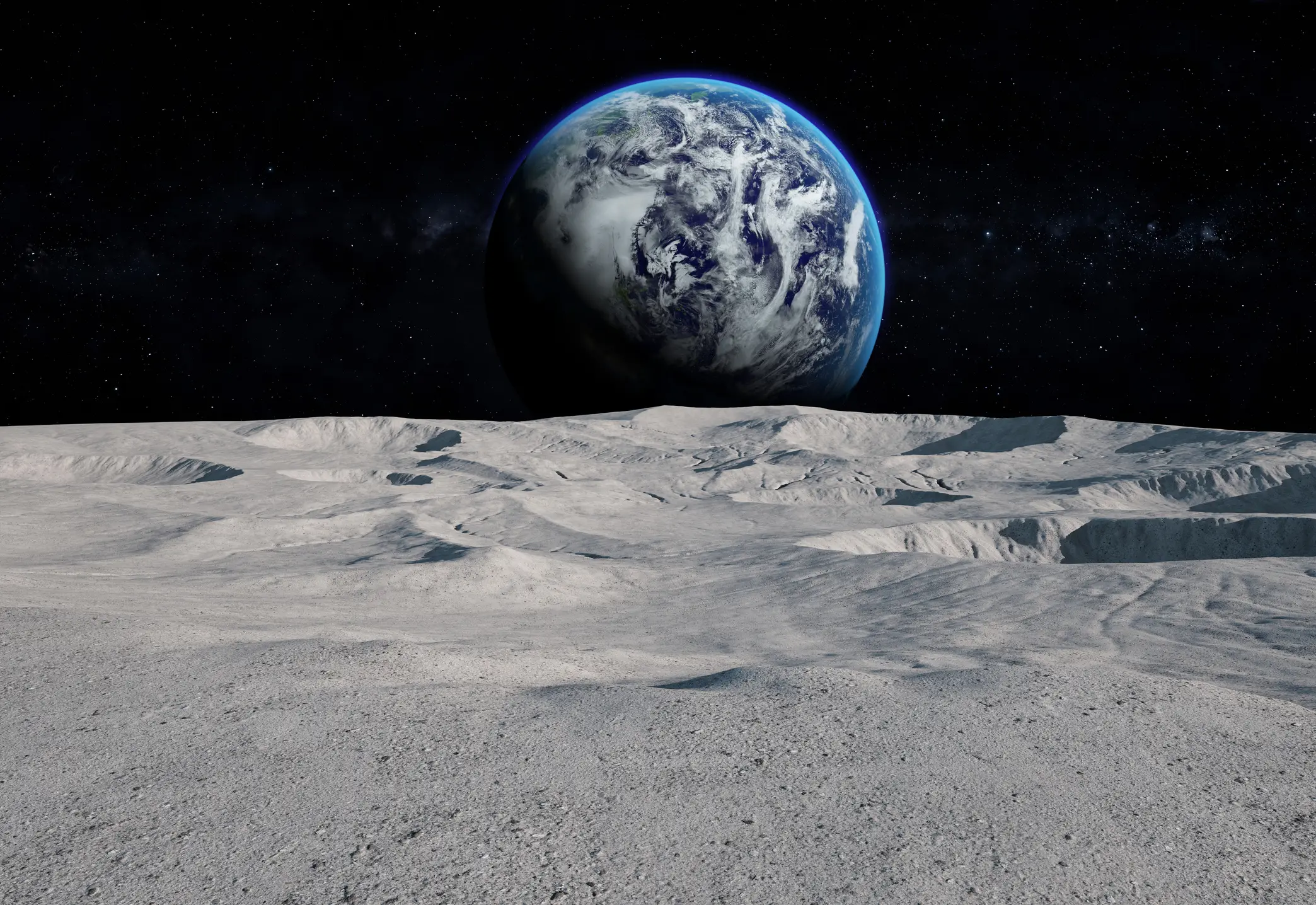
Dr Giulio added: "The Artemis II mission is the first step towards Moon landing (planned for Artemis III) and then establishing a long-term presence on the Moon. There are a number of challenges that need to be addressed to minimise and mitigate the effect of the space environment on the human body."
When it comes to the possibility of living on the Moon sometime in the future, the space expert explained how 'dust and locomotion stability' is one of the key problems.
The expert added: "There is the possibility of building lunar habitats taking advantage of the so-called lava tubes. These are cave formations under the Moon’s surface, which could provide a natural shield for future missions.
"To establish a long-term presence on the Moon, medical autonomy will be crucial. Habitats must include diagnostic tools, medical supplies, and crew training to treat injuries or illnesses independently."
There are a number of considerations when it comes to the practicality of living on the Moon, including the fact gravity on the Moon is one-sixth of that on Earth.
This can cause 'muscle deconditioning, bone loss, and changes in cardiovascular function', according to Dr Giulio.
The expert added: "There are a number of plans to develop countermeasures to minimise the effect of reduced gravity on the body.
"Psychological and social factors in terms of isolation, the environments and distance from Earth must also be addressed. Crews will be living in isolated, confined environments for extended periods. They will need support for mental health, team cohesion, and stress management."
 Callum Jones