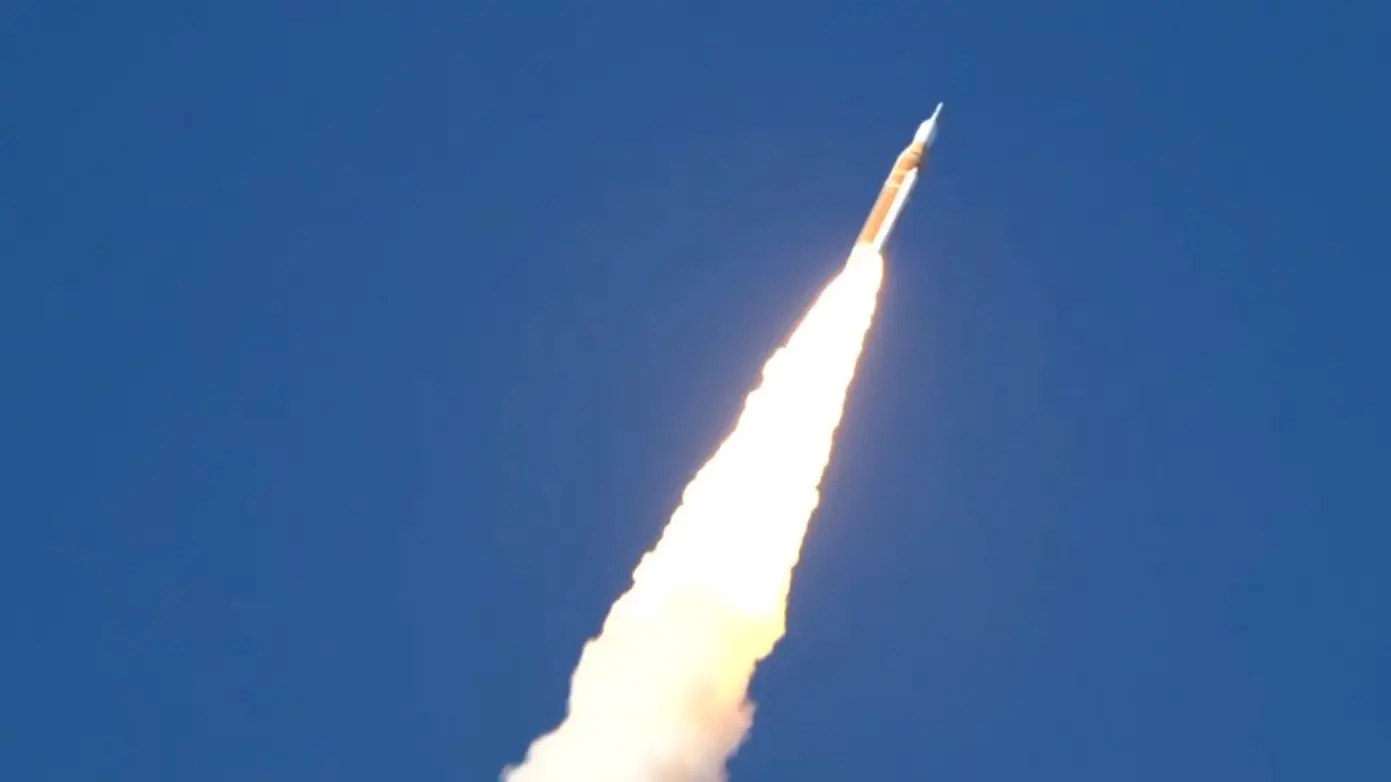
Artemis II makes history as first crewed moon flight launches in half a century

Almost sixty years since NASA made history with the moon landing, once again the US has boldly ventured into space with a manned moon mission as the Artemis II successfully launched on Wednesday evening.
Taking off from Cape Canaveral at 6:35pm ET, millions of people around the world tuned in to witness the historic moment, which saw three Americans and one Canadian undertake the first manned moon mission in almost half a century.
Just hours before the launch a number of technical hitches threatened to abort the mission, including an issue with a battery temperature and a problem with the flight termination system (FTS), a crucial safety system designed to destroy the rocket if it veers off course or poses a safety threat.
Thankfully, the issues were able to be fixed in rapid time, and while the specifics behind the fix weren’t made public, mission control did confirm that it had successfully worked.
Advert
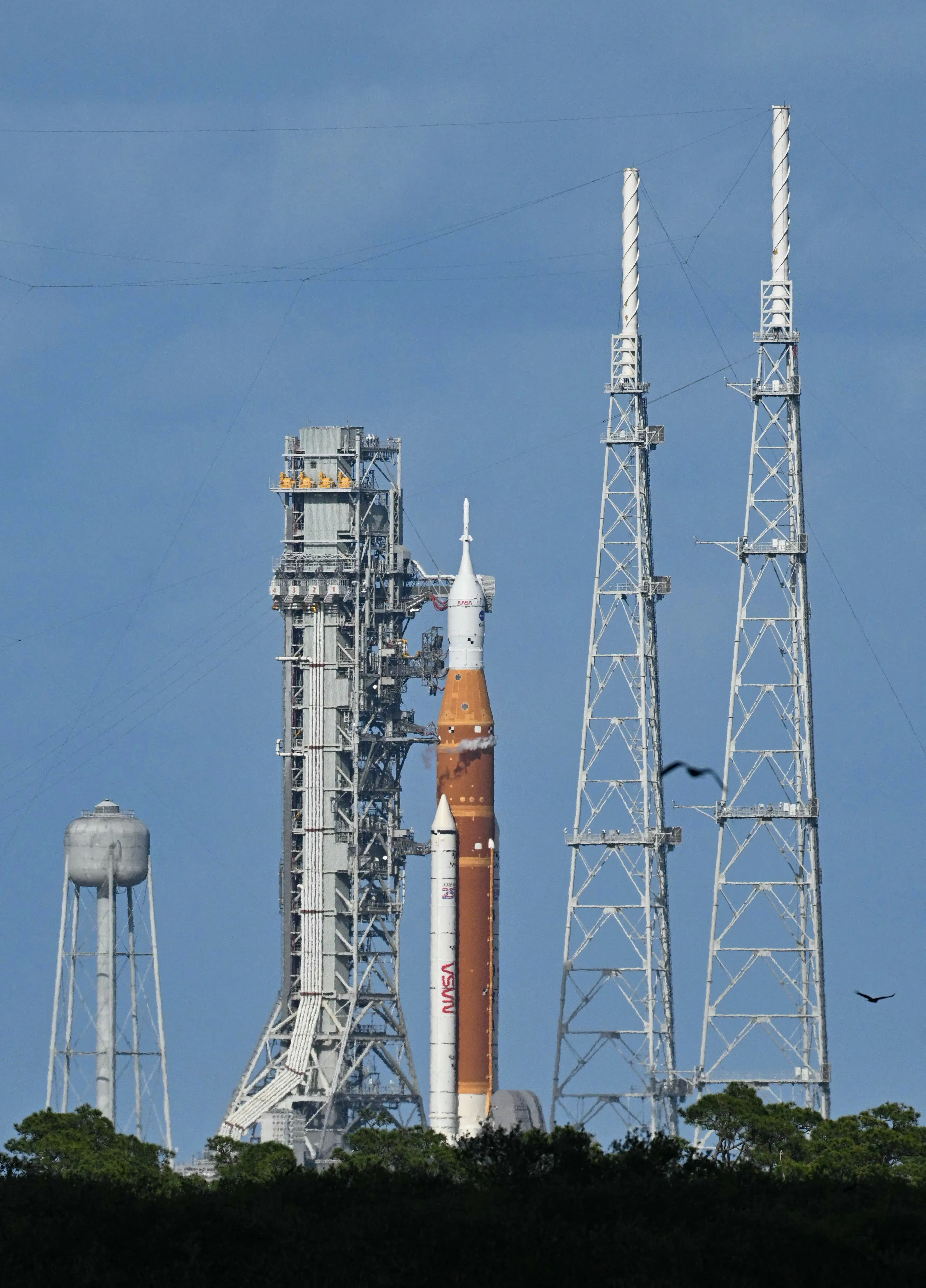
“It was a fix to clear the range and work the FTS. That is no longer a constraint,” NASA’s launch commentator, Derrol Nail, explained. “It’s great news. The range is green and we’re continuing with the countdown”.
Artemis II is the second flight and first crewed mission that forms part of NASA’s Moon to Mars initiative which hopes to eventually build a permanent habitable lunar base that could pave the way to human flights to the red planet.
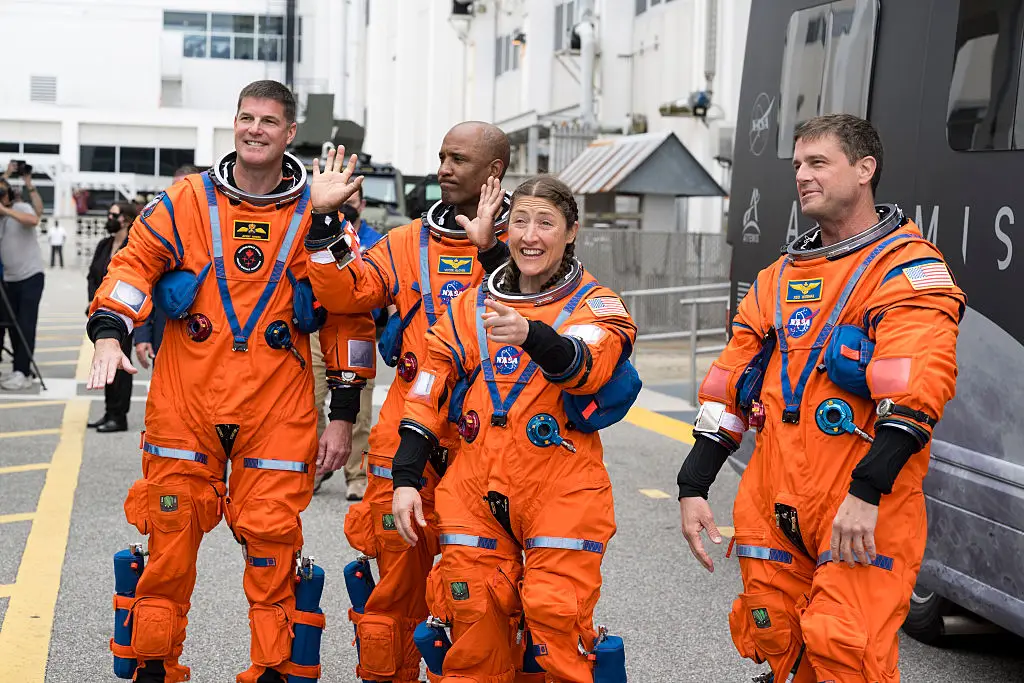
Stretching across 10 days, the mission will involve a fly past of the moon with no landing, but will see four astronauts, Reid Wiseman, Victor Glover, Christina Koch and Jeremy Hansen, break records by travelling farther than any other human has ever travelled before, whopping 253,000 miles into space.
Given the eventual aim to reach Mars in the not too distant future, the main objectives of the mission are to test crucial spacecraft and life support systems, extensively monitor the astronauts’ health during a long-duration spaceflight, and specifically look at the the enhanced effects of radiation and microgravity on the brave souls out in space.
The mission also aims to confirm the ability of the Orion capsule to withstand temperatures up to 3,000F (1650C) at re-entry.
If all goes well, six days into the mission, the Orion capsule will slingshot around the moon and pass between 4,000 and 6,000 miles from the lunar surface, offering a prime opportunity to snap photos of the moon’s South Pole, the location of the next human landing which is slated to take place as early as 2028.
 Phoebe Tonks