Artemis II could end moon landing conspiracy during Netflix livestream

NASA’s Artemis II mission is currently on its way to fly past the Moon, and during that time, the crew might be able to finally put a decades-long conspiracy to bed – with the help of Netflix.
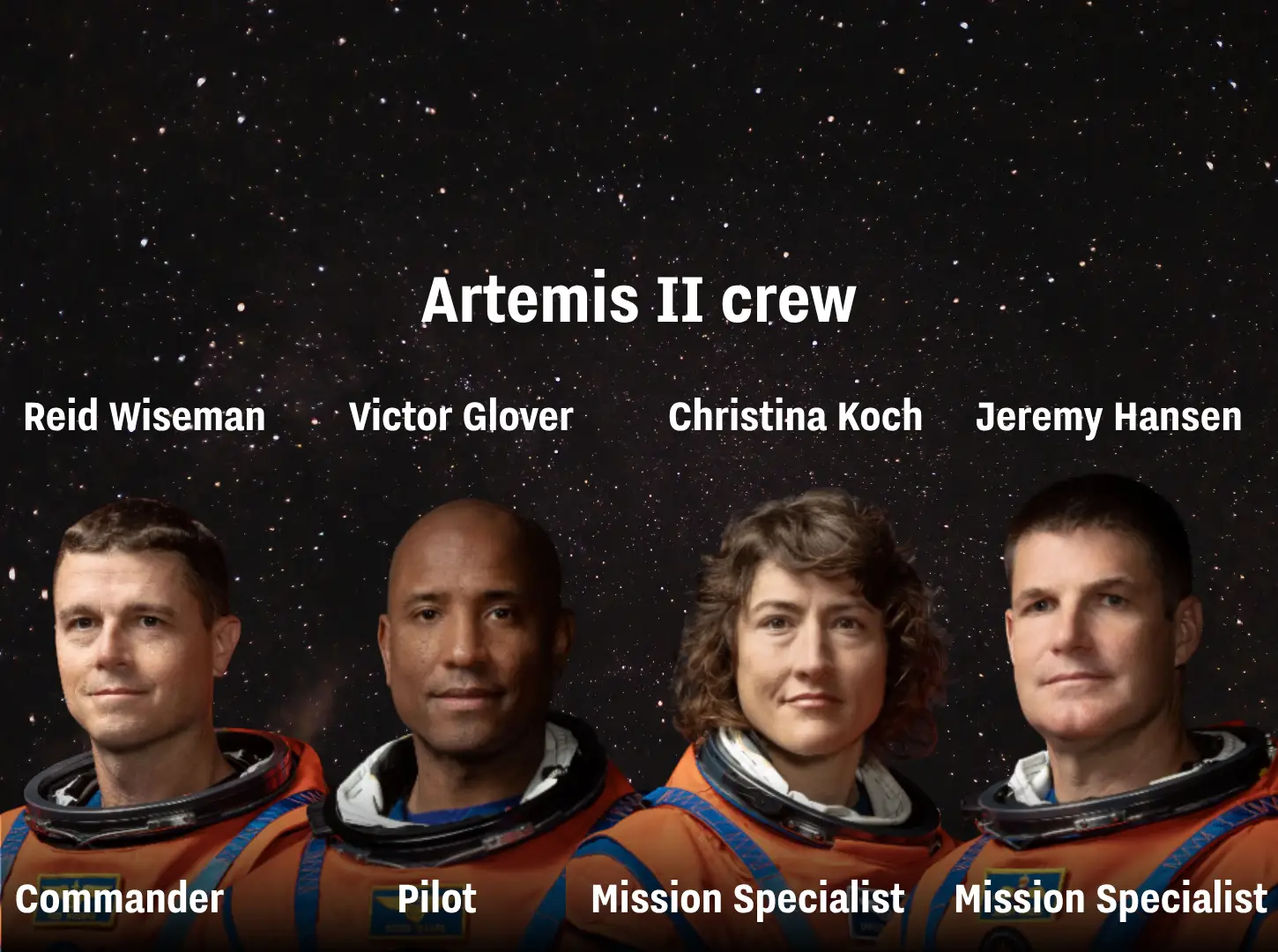
Astronauts Reid Wiseman, Victor Glover, Christina Koch and Jeremy Hansen departed from Earth to the Moon on Wednesday (April 1) and are set to return on April 10.
With everything having gone according to plan, the crew will have reached their halfway point and be soon flying by the dark side of the Moon.
From there, the crew will engage in a broadcast interview, which will show people at home something they’ve never seen before.
Advert
The lunar flyby that could discredit a long-lived conspiracy theory that NASA astronauts didn’t land on the Moon.
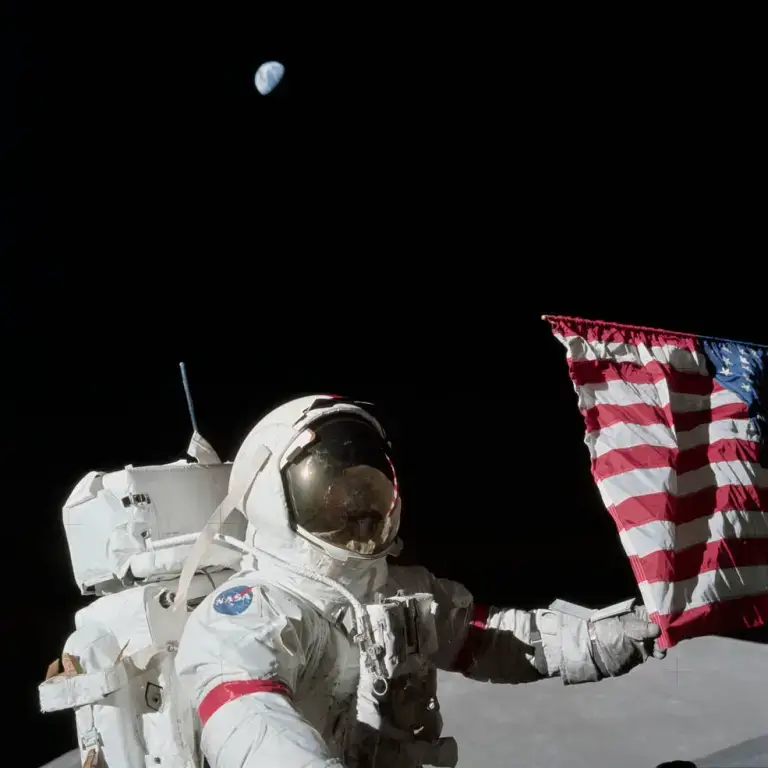
The Artemis II mission is the first time humans have traveled to the Moon since the Apollo 17 mission in 1972, the sixth and final Apollo mission to land on the Moon.
So, it’s a pretty big deal that they’re going up again.
The crew will go to the far side of the Moon and even break records with how long they’ll have traveled for.
After which, Netflix will stream NASA’s official broadcast, so everyone around the world can see it for themselves.
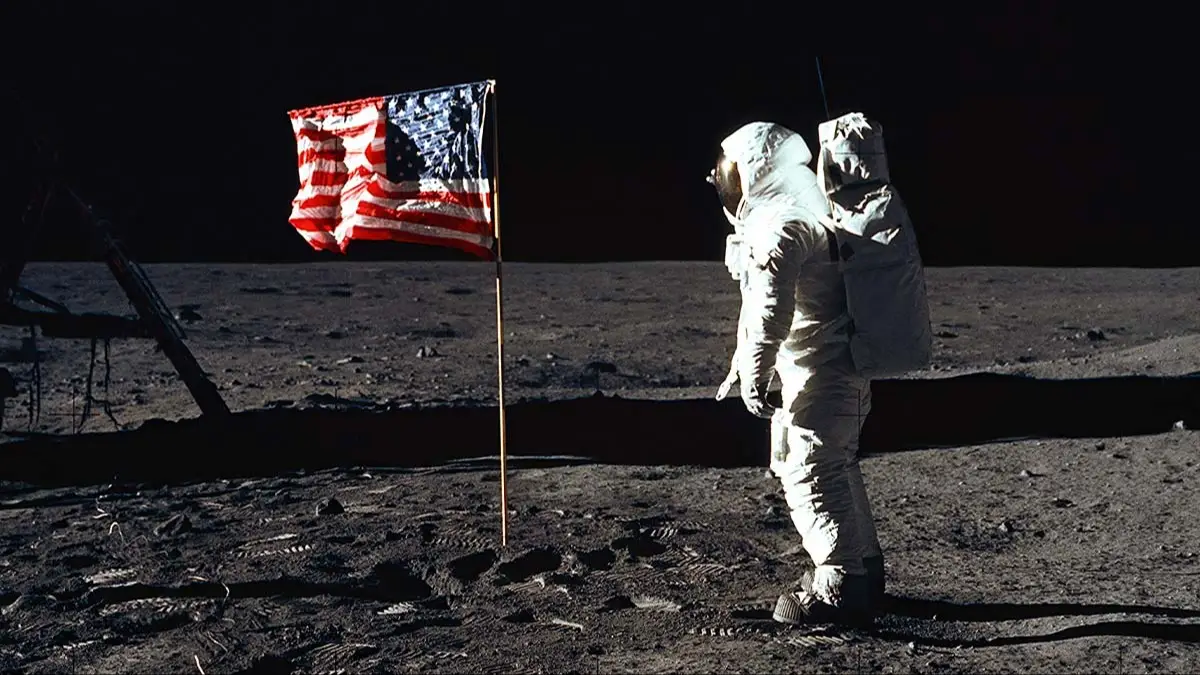
For years, people have had a theory that Moon landings were faked, and they were carefully orchestrated setups using things like a film studio and more recently, a zero-gravity room.
Bill Kaysing, a former US Navy officer who was a technical writer for a manufacturer of NASA’s Apollo moon missions, first perpetuated the claim that the space service had faked its landings, after alleging he had inside knowledge that the government had planned it all.
His 1976 book, We Never Went to the Moon: America’s Thirty Billion Dollar Swindle, says that NASA couldn’t land on the Moon in the 1960s like the late President John F Kennedy had promised, so it sent its astronauts to Earth orbit, and filmed the landing in a film studio in a bid to win the Cold War Space Race with the Soviets.
From there, the theory took off, with people analyzing images by NASA for decades afterwards, and forums posting claims that we’ve never had the technology to go outside of Earth’s orbit, which would make every single space venture a total scam.
Whether you believe it or not is entirely up to you, but perhaps seeing Netflix’s livestream could provide a little clarity on whether what you’re seeing is space, or a green screen.
You can watch the stream in North America at 10:00 AM PT, 11:00 AM MT, 12:00 PM CT, or 1:00 PM ET.
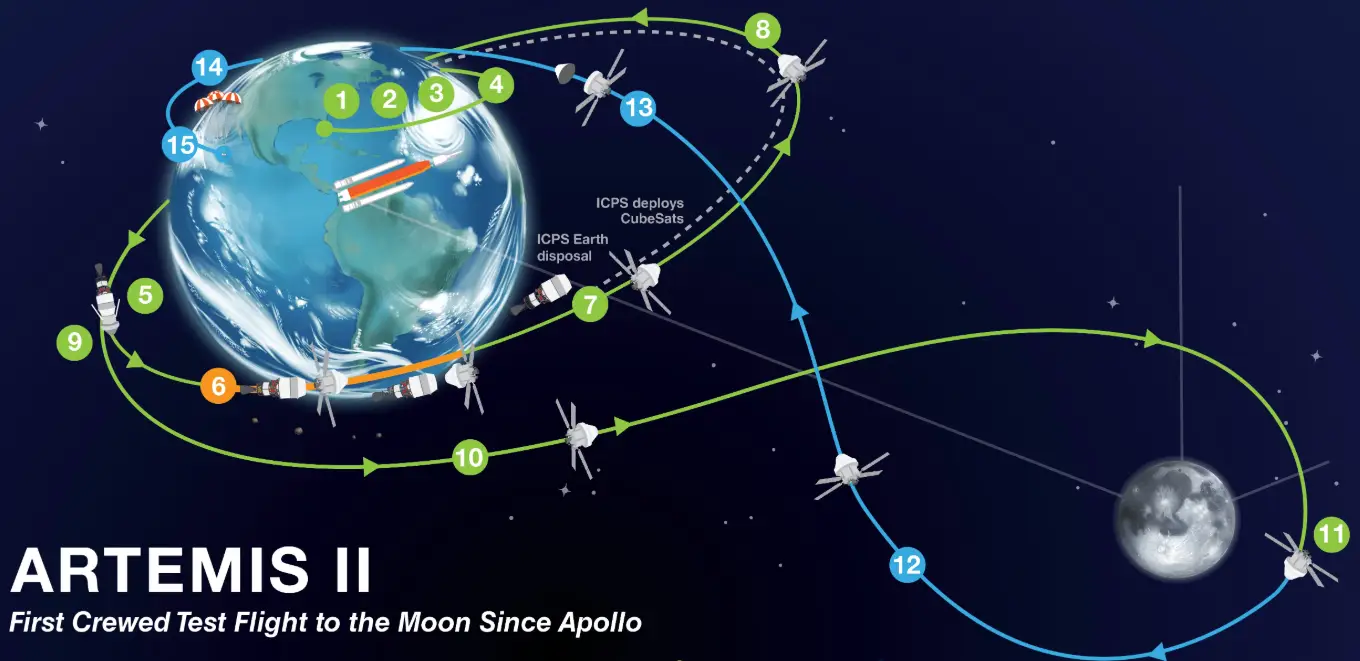
Artemis II timeline: When will the crew reach the Moon?
After completing the translunar injection burn, the Artemis II crew have broken free of Earth’s gravity and are now on course for the Moon.
They are set to travel 250,000 miles from Earth, further than any human has ever gone before.
But what are the key milestones over the next few days, and what should we look out for back on Earth?
Friday April 3 - Saturday April 4
Astronauts Reid Wiseman, Victor Glover, Christina Koch and Jeremy Hansen will be testing radio communications, and most importantly for us, taking lots of pictures out of the window of their spacecraft.
So expect some stunning photographs of the Earth and the Moon in deep space.
Sunday April 5
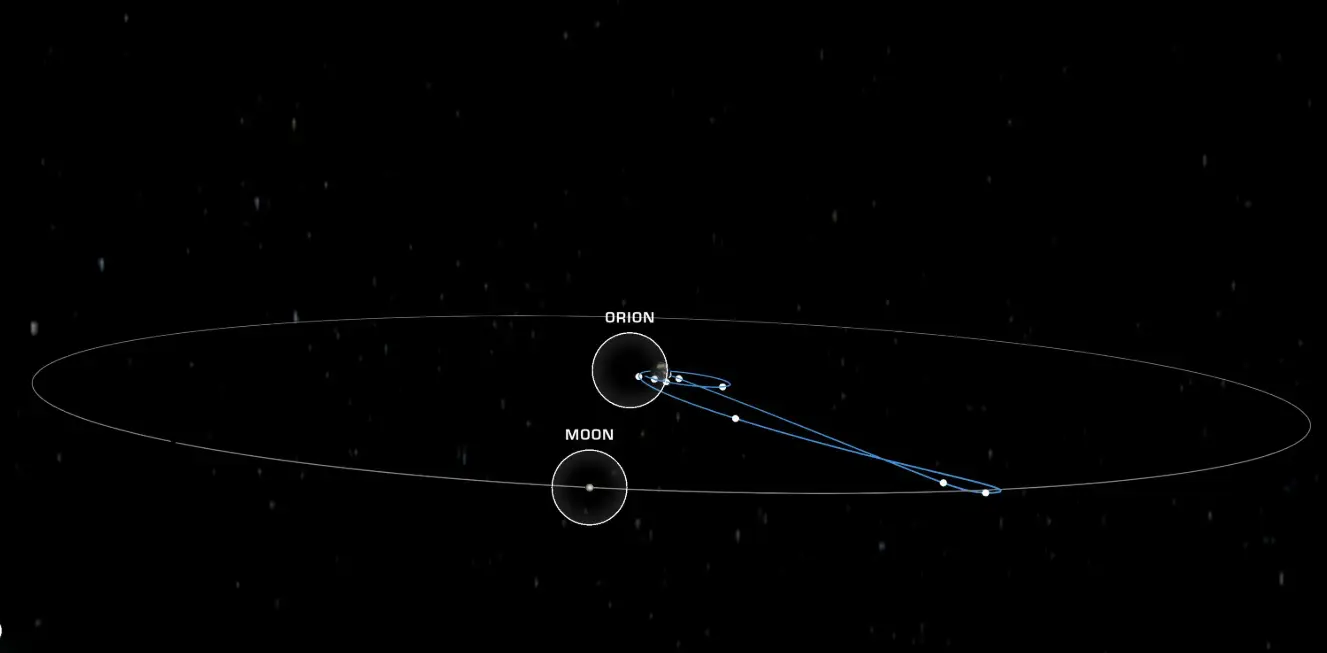
It’s an important day for the Artemis II crew - they’ll enter the lunar sphere of influence, which means the tug of the Moon’s gravity is stronger than Earth’s.
The crew will also be testing their spacesuits to make sure they’re in tip-top shape for re-entry next week.
Monday April 6
This is the big one! The Artemis II crew will pass around the far side of the Moon, the furthest from Earth anyone has ever gone before.
Commonly dubbed the dark side of the Moon - it isn’t actually dark and actually gets more sunlight than the side we do see.
It’s called this because, thanks to something called tidal locking, the same side of the Moon is always facing Earth, so we never get to see the other one.
The Artemis II crew will spend the day taking photographs of the lunar landscape, and there will be 40 mins where they will lose contact with Earth - which is sure to be squeaky bum time for the folks at NASA.
Tuesday April 7 - Thursday April 9
The astronauts begin their return journey to Earth.
Tuesday is the Artemis II crew’s day off after a full-on few days - though you have to imagine entertainment is scarce in the Orion spacecraft. No Netflix, unfortunately.
On Wednesday, the crew will practice building a radiation shelter, which would be able to shield them in the event of solar flares, test compression garments which should prevent dizziness on the return to Earth, and have a go at manually piloting the spacecraft.
Friday April 10
The Artemis II crew will be back on Earth in time for the weekend. This is the diciest section of the mission, with the Orion spacecraft exposed to temperatures of up to 3,000°F.
Once safely back in Earth’s atmosphere, parachutes will deploy and they’ll land in the Pacific Ocean off San Diego, where NASA and the US Navy will be ready to pick them up.
 Britt Jones