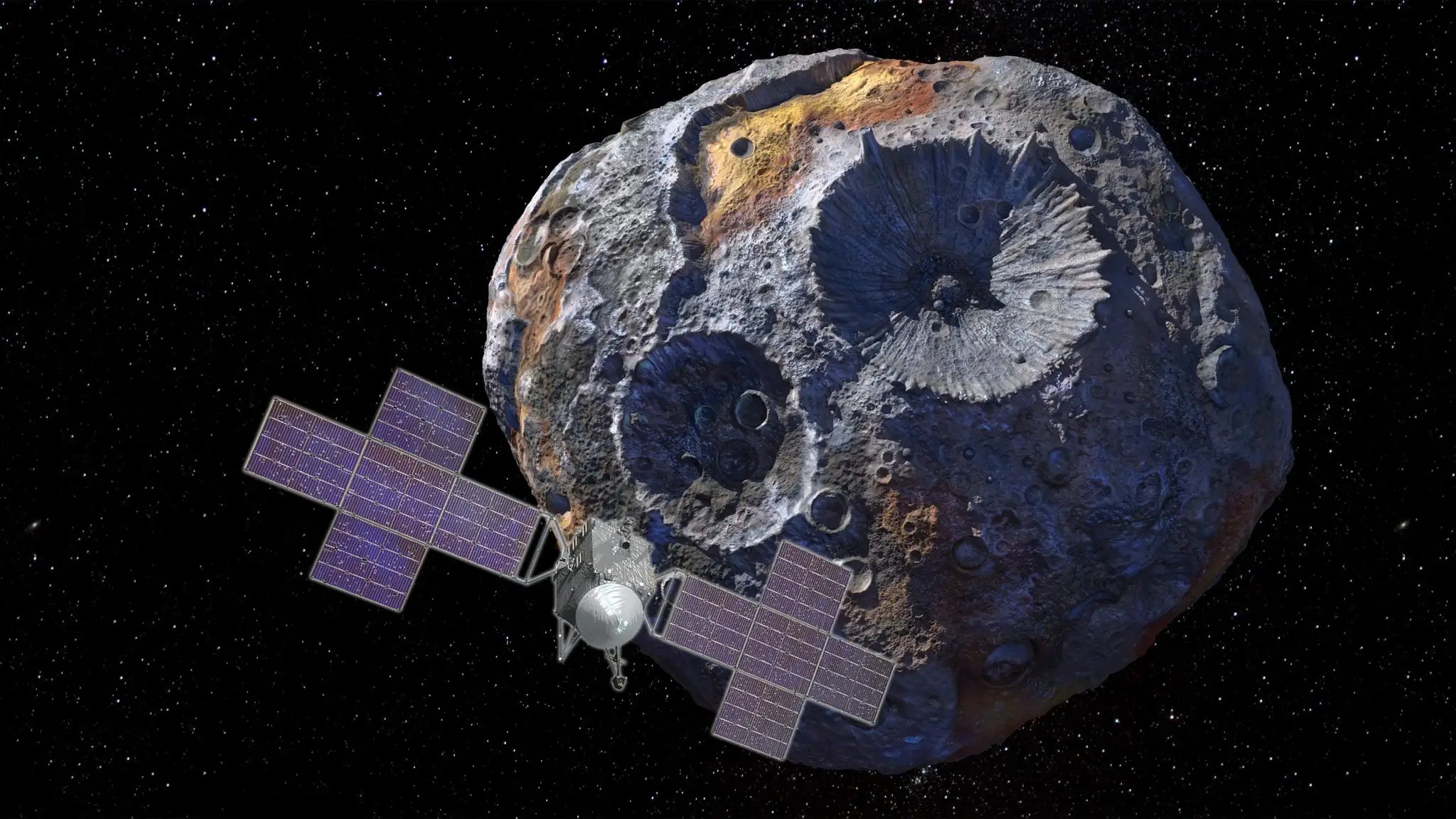
NASA's Psyche spacecraft posts update on its way to capture asteroid worth $10,000,000,000,000,000,000

NASA's Psyche spacecraft has posted an update, roughly one and a half years after the probe launched.
The mission began in October 2023 as the spacecraft was launched from NASA's Kennedy Space Center in Cape Canaveral, Florida.
The spacecraft is currently on the way to asteroid 16 Psyche, which is located in the main asteroid belt between Mars and Jupiter.
But what’s the big deal about the asteroid? Well, it is believed to contain precious metals including iron, gold and nickel, and therefore NASA are extremely keen to get their hands on it.
Advert
Not only that, it’s been reported that they could be worth more than the entire worlds economy! However, we won’t know if this is true until the probe arrives on the asteroid in 2029.
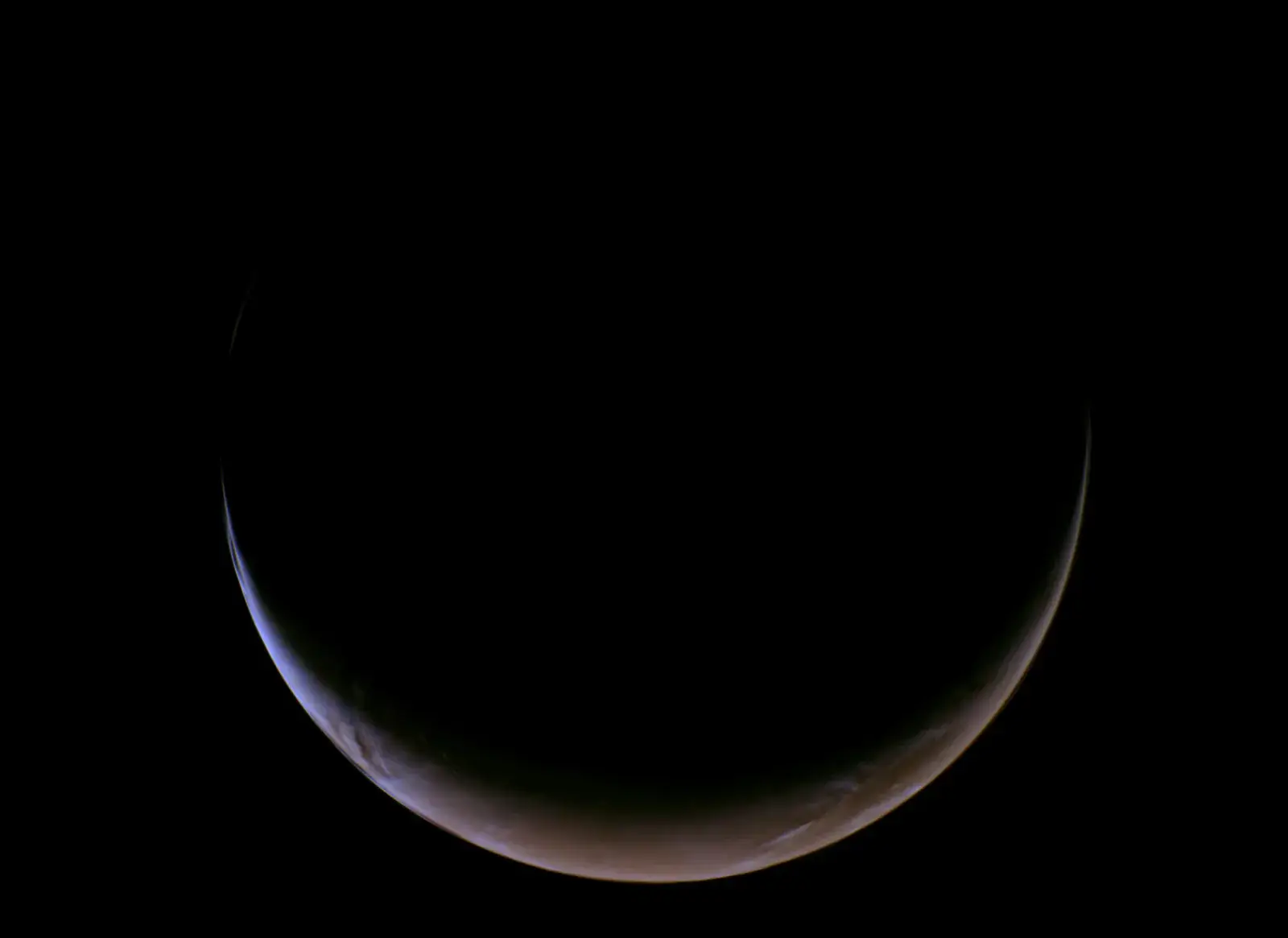
Now, the spacecraft has completed its close approach of Mars, as it arrives within 2,864 miles (4,609 kilometers) of the planet’s surface, NASA has confirmed.
Despite travelling at a speed of 84,000mph through space, it is not expected to reach the asteroid until August 2029 - a timeline that they have recently confirmed to hit.
Of course, on the Mars flyby, Jim Bell, the Psyche imager instrument lead at Arizona State University, confirmed that they had taken ‘thousands of images of the approach to Mars and of the planet's surface and atmosphere at close approach.’
“This dataset provides unique and important opportunities for us to calibrate and characterize the performance of the cameras, as well as test the early versions of our image-processing tools being developed for use at the asteroid Psyche,” he continued.
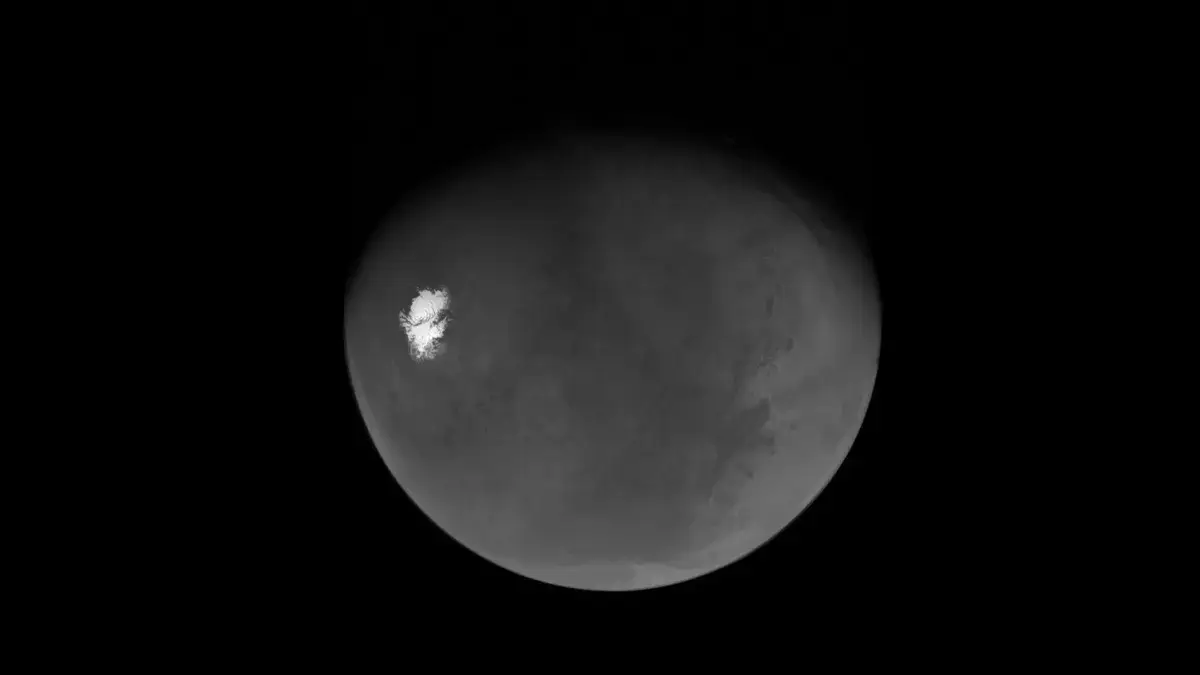
The images, captured by the probe, is the first view of an 'almost full Mars'. They also posted the highest-resolution view of the water ice-rich south polar cap of Mars.
The cap extends across more than 430 miles (700 kilometers), NASA confirmed.
A view of a crescent of the planet was also posted, as the Psyche approached it for a gravity assist.
And that's not all. We can expect more images of Psyche's Martian views in the coming days.
Don Han, Psyche’s navigation lead at NASA’s Jet Propulsion Laboratory in Southern California, continued: “Although we were confident in our calculations and flight plan, monitoring the DSN’s Doppler signal in real time during the flyby was still exciting."
“We’ve confirmed that Mars gave the spacecraft a 1,000 mile‑per‑hour boost and shifted its orbital plane by about 1 degree relative to the Sun. We are now on course for arrival at the asteroid Psyche in summer 2029.”
That’s three years time, but obviously, it will be worth the wait!
 Kiesha Dosanjh