
What will happen to NASA's Artemis II crew's bodies during 10 days in space

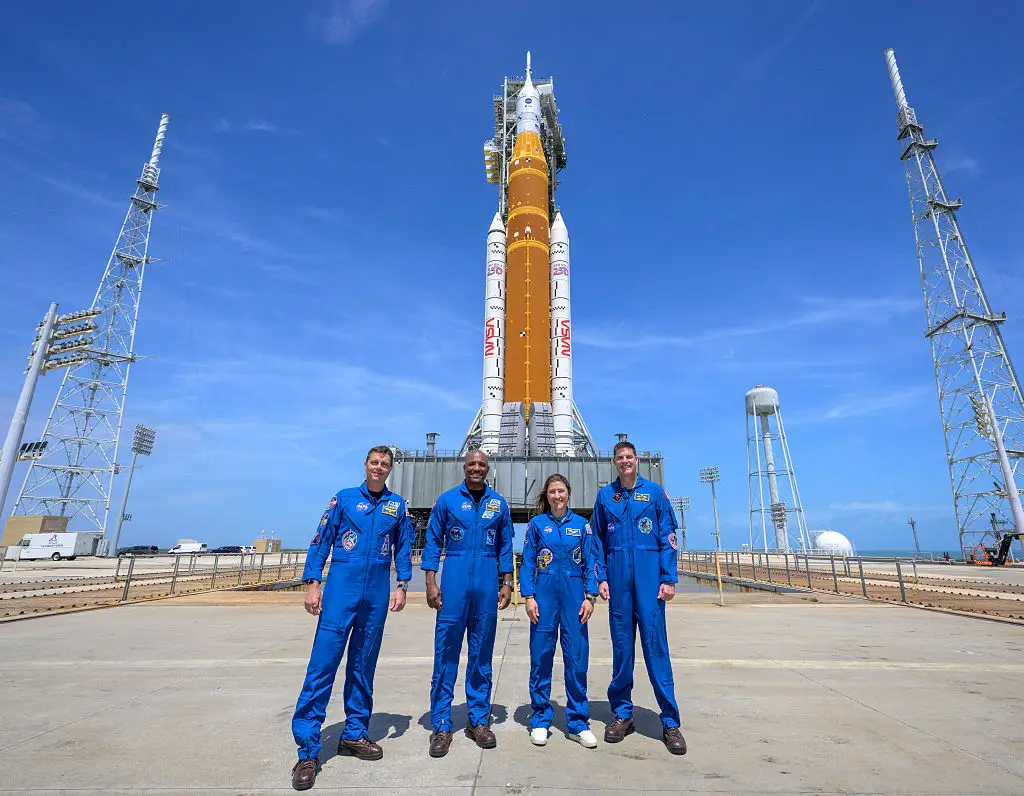
Artemis II astronauts Reid Wiseman, Victor Glover, Christina Koch and Jeremy Hansen are due to set off towards the Moon this week, and during their 10 days in space the crew will experience a number of changes to their bodies.
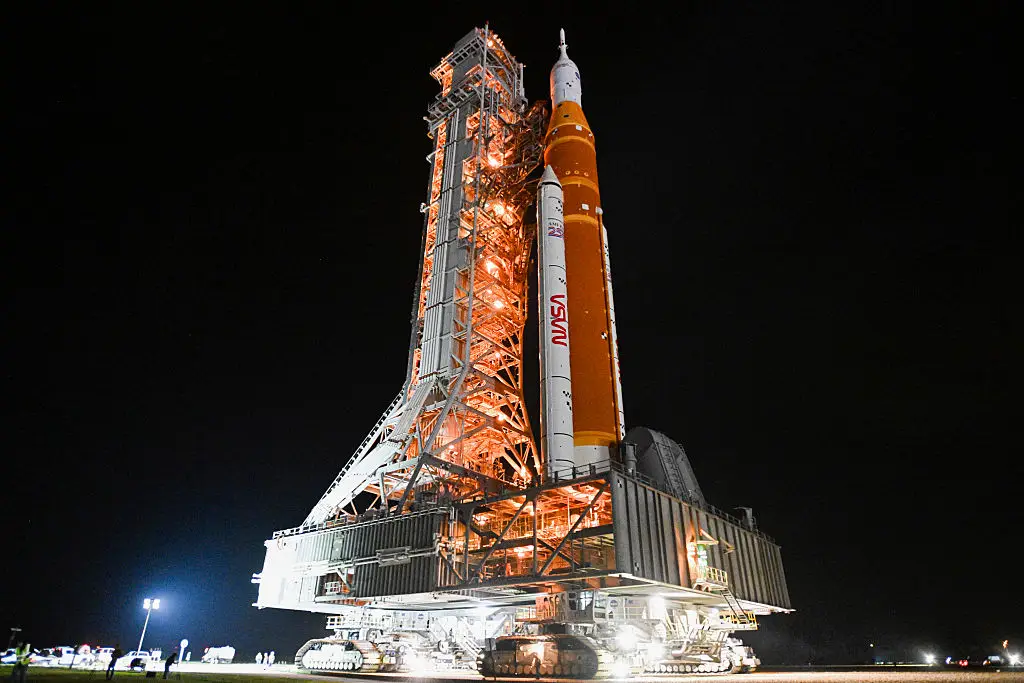
The four team members will blast off from NASA's Kennedy Space Center in Florida no earlier than April 1, with the plan of testing the Orion spacecraft’s life support systems with humans on board for the first time.
Over the course of the 10-day mission, the crew will venture around the moon and demonstrate a range of capabilities needed on deep space missions to help pave the way for future space travel.
But while Wiseman, Glover, Koch and Hansen are putting their minds to work, their bodies will be going through some experiences of their own.
Advert
That's according to Dr. John DeWitt, who spent 20 years at NASA's Johnson Space Center as the Senior Biomechanist and Exercise Device Project Scientist in Astronaut Health and Performance.
What happens to the body during 10 days in space?
It's only natural that our bodies would experience some changes when we shoot them hundreds of thousands of miles up into the air, but Dr. DeWitt insisted that actually, our bodies are 'amazing' because of their ability to adapt in new environments.
Speaking to UNILAD, the scientist explained: "On Earth, where we live in gravity 24 hours a day, our bodies are used to working against gravity when performing actions like pumping blood back from the legs to the heart and using our lower body and core muscles to maintain balance and posture. In space, the heart doesn't have to work as hard because there is no gravity pulling blood towards our feet, and our posture muscles don't have to work because astronauts just float. As a result, these systems start to weaken."
Needless to say, having your heart not 'work as hard' isn't necessarily a good thing, but Dr. DeWitt explained that the Artemis II crew won't be in space long enough for these impacts to become a real problem.
"In the 10 days in space, the weakness that has developed isn't enough to be a major problem like during 6-month missions, but it is still occurring," he said. "The Orion capsule is equipped with a small exercise device that the astronauts can use to counteract these losses."
Are certain parts of the body more impacted by space than others?
Since we're typically creatures bound by gravity, a lot of our bodily functions are affected by the shift into weightlessness.
However, Dr. DeWitt said three systems are more impacted than others; namely balance and orientation, cardiovascular function, and reduced muscle force, especially in the lower body.
He explained: "The balance and orientation symptoms, which sometimes result in motion sickness, usually subside in the first day or two as the body adjusts. The cardio and muscle systems often take anywhere from 7-14 days to demonstrate losses."
How will the Artemis II crew prepare for their return?
With the Orion spacecraft yet to take off, it might sound a bit early to think about it coming back. But Dr. DeWitt explained that preparation for the return to Earth actually begins before the crew even take off, by making sure they are fit and healthy.
He explained: "At NASA, we have found that the more prepared the astronauts are in terms of fitness before their flight, the better equipped they are to return to Earth. So a lot of their preparation for the return actually occurs before their flight."
 Emily Brown